






CUSTOMER SERVICE
www.sensors.vn
Admin@sensors.vn
www.cambien.com.vn
COMBUSTIBLE GAS SENSOR
Date 27/Oct/2025 at 10:42 AM - View: 170

In today’s industrial landscape, safety is of paramount importance. From manufacturing plants to chemical facilities, the presence of combustible gases poses a significant risk to both human life and property. To mitigate these risks, the use of combustible gas sensors has become essential. These sensors play a crucial role in detecting the presence of flammable gases in the environment, allowing for timely action to prevent accidents and ensure the safety of workers and facilities.
What is Combustible Gas Sensor
Combustible gas sensors, also known as flammable gas sensors, are electronic devices designed to detect the presence of combustible gases in the air. These gases include methane, propane, butane, hydrogen, and many others commonly found in industrial settings. The sensors work on the principle of catalytic combustion, infrared absorption, or semiconductor technology to detect the concentration of flammable gases in the surrounding atmosphere.
Working principle of combustible gas sensor
Catalytic Sensors
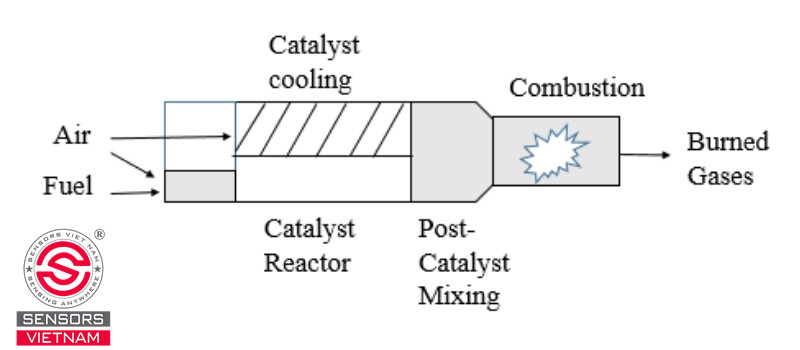
Catalytic combustion sensors are one of the most common types of combustible gas sensors. They consist of a catalytic bead coated with a catalyst material, typically platinum or palladium. When combustible gases come into contact with the catalytic bead, they undergo a chemical reaction, causing the temperature to rise. This increase in temperature is detected by the sensor, triggering an alarm or activating safety measures.
Non-Dispersive Infrared (NDIR) Sensors
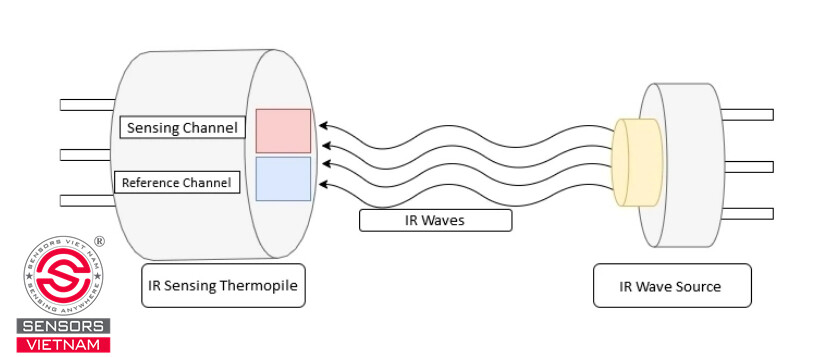
Infrared absorption sensors use infrared light to detect the presence of combustible gases. These sensors emit infrared radiation, which is absorbed by the gas molecules in the air. The amount of absorption is directly proportional to the concentration of the gas. By measuring the decrease in the intensity of the emitted infrared light, the sensor can determine the presence and concentration of flammable gases.
Semiconductor (Metal Oxide) Sensors
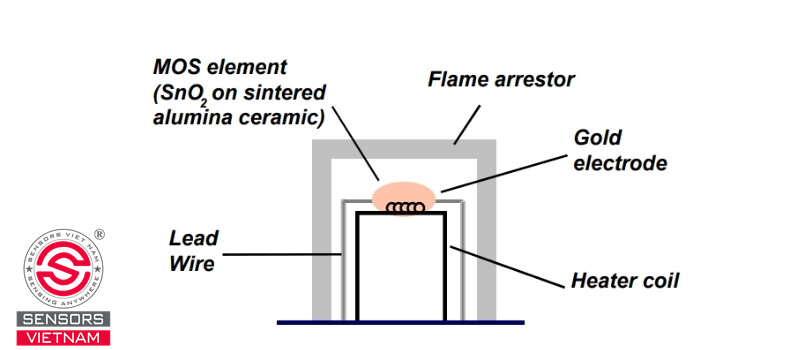
Semiconductor sensors utilize a semiconductor material, such as tin dioxide or metal oxide, to detect combustible gases. When the gas molecules come into contact with the semiconductor material, they cause a change in the electrical conductivity of the material. This change is measured by the sensor, providing information about the presence and concentration of flammable gases.
Laser-based Sensors
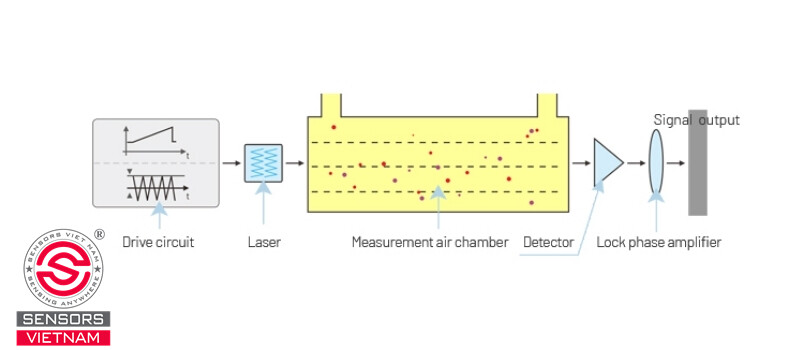
Laser-based sensors, specifically tunable diode laser absorption spectroscopy (TDLAS) sensors, operate based on the principle of absorption spectroscopy. A laser beam with a specific wavelength, typically in the infrared region, is emitted towards the target gas, which in this case is methane. Methane molecules absorb the laser light at their specific absorption wavelength, resulting in a decrease in the intensity of the laser beam.
The sensor then measures the intensity of the laser beam before and after interaction with the methane gas. By comparing the two intensities, the sensor can calculate the concentration of methane present in the environment. This technique allows for highly accurate and selective methane detection.
Combustible Gas Sensor Application
Industrial Settings
Combustible gas sensors are extensively used in industrial settings such as manufacturing plants, refineries, chemical plants, and warehouses. These sensors help in detecting leaks or the accumulation of combustible gases, allowing for timely intervention to prevent fires, explosions, or other accidents.
Residential and Commercial Buildings
Combustible gas sensors are essential in residential and commercial buildings where natural gas or propane is used for heating, cooking, or other purposes. These sensors provide early detection of gas leaks, enabling prompt action to mitigate risks and protect occupants.
Oil and Gas Industry
In the oil and gas industry, combustible gas sensors are vital for monitoring gas pipelines, storage tanks, and drilling operations. These sensors help in detecting leaks, ensuring the safety of workers and preventing environmental damage.
Mining Operations
Mining sites are often prone to the accumulation of combustible gases, such as methane. Combustible gas sensors are used to continuously monitor the gas levels in underground mines, providing early warning signs and allowing miners to take necessary precautions.
Laboratories
Laboratories that handle flammable gases or volatile chemicals rely on combustible gas sensors to maintain a safe working environment. These sensors help in detecting any leaks or releases of combustible gases, preventing potential accidents or chemical reactions.
Automotive Industry
Combustible gas sensors are utilized in the automotive industry to monitor the fuel system and detect any leaks or malfunctions. These sensors contribute to the overall safety and performance of vehicles by ensuring the proper functioning of the fuel system.
Waste Treatment Facilities
Waste treatment facilities, such as landfills and wastewater treatment plants, generate methane and other combustible gases as byproducts. Combustible gas sensors are used to monitor these facilities and detect any gas leaks or potential hazards.
HVAC Systems
Combustible gas sensors are integrated into heating, ventilation, and air conditioning (HVAC) systems to detect gas leaks from natural gas or propane furnaces. This helps in maintaining a safe indoor environment and preventing the risk of gas-related incidents.
Fire and Rescue Services
Combustible gas sensors are utilized by fire and rescue services during emergency response operations. These sensors assist in identifying the presence of combustible gases in hazardous situations, guiding firefighters and rescue personnel to take appropriate measures.
Environmental Monitoring
Combustible gas sensors are employed in environmental monitoring systems to detect and measure the levels of combustible gases in the atmosphere. This data helps in assessing air quality, identifying pollution sources, and implementing necessary measures for environmental protection.
Importance of Combustible Gas Sensors
Ensuring Worker Safety
In hazardous environments where combustible gases are present, the safety of workers is of utmost importance. Combustible gas sensors act as an early warning system, alerting workers to the presence of flammable gases before they reach dangerous levels. This allows workers to take immediate action, such as evacuating the area or shutting down equipment, to prevent accidents and potential harm.
Preventing Explosions and Fires
The presence of combustible gases in high concentrations can lead to explosions and fires, causing significant damage to property and endangering lives. Combustible gas sensors play a vital role in preventing such incidents by continuously monitoring the gas levels and triggering alarms or safety measures when the concentration exceeds the safe threshold. This enables prompt intervention and minimizes the risk of explosions and fires.
Compliance with Safety Regulations
In many industries, compliance with safety regulations is mandatory. Combustible gas sensors are often a requirement in these regulations to ensure the safety of workers and facilities. By installing and maintaining these sensors, companies demonstrate their commitment to creating a safe working environment and avoid potential legal consequences.
Sensors Vietnam is one of the leading importers of industrial sensors and equipment in Vietnam. If you are looking for a combustible gas sensor, please contact Sensors Vietnam for consultation and quotation.
PQD-3135-R – PROSENSE Explosion-Proof Methane Gas Sensor
Measuring range: 0–100% LEL
Output: 4–20mA / RS-485, Relay
Local OLED display
Power supply: 24VDC
Explosion-proof rating: ATEX II 2G Ex db IIC T5/T4 Gb
PQD-S-3135-SS-R – PROSENSE Explosion-Proof Methane Gas Sensor
Measuring range: 0–100% LEL
Output: 4–20mA / RS-485, Relay
Power supply: 24VDC
Explosion-proof rating: ATEX II 2G Ex db IIC T5/T4 Gb
PQD-S-3135-SS – PROSENSE Explosion-Proof Methane Gas Sensor
Measuring range: 0–100% LEL
Output: 4–20mA / RS-485
Power supply: 24VDC
Explosion-proof rating: ATEX II 2G Ex db IIC T5/T4 Gb
PQD-S-3135-R – PROSENSE Explosion-Proof Methane Gas Sensor
Measuring range: 0–100% LEL
Output: 4–20mA / RS-485, Relay
Power supply: 24VDC
Explosion-proof rating: ATEX II 2G Ex db IIC T5/T4 Gb
PQD-S-3135 – PROSENSE Explosion-Proof Methane Gas Sensor
Measuring range: 0–100% LEL
Output: 4–20mA / RS-485
Power supply: 24VDC
Explosion-proof rating: ATEX II 2G Ex db IIC T5/T4 Gb
Product reference link: https://cambien.com.vn/cam-bien-khi-gas
Hot news


SENSORS VIETNAM CO., LTD
VAT CODE: 0313 355 473
Head Office: 03rd Floor, Indochina Tower, 04 Nguyen Dinh Chieu, Tan Dinh Ward, Ho Chi Minh City, Vietnam.
HCM Branch: 92/14/9A Vuon Lai Str., An Phu Dong Ward, Ho Chi Minh City, Vietnam.
Hanoi Branch: S106 Tower, Vinhomes Smart City, Tay Mo Ward, Hanoi City, Vietnam.

® Registered trademark – National Office of Intellectual Property Vietnam
OUR SERVICES
Specializing in the import and distribution of industrial sensors.
Sensors for HVAC/R systems and building automation applications.
Supplying gauges, transmitters, switches, controllers, PLCs, HMIs, and gas detectors.
Providing integrated consulting services for sensor and controller systems.


CONTACT US
Email: sales(at)sensors.vn
Hotline: +84 0911 660 660
Asia Commercial Bank Account (ACB):
VND: 357 246 888 | USD: 1357 246 888
Support Online ZALO Official Account
(From 8:00 am to 5:00 pm)





SENSORS VIETNAM CO., LTD
- Specialized in the import and distribution of sensors and controllers.
- Integrated data acquisition systems and industrial communication solutions.
- Design and installation of smart home systems and industrial equipment.
- Stack lights, signal beacons, LED warning horns, and RGB warning lights.