





CUSTOMER SERVICE
www.sensors.vn
Admin@sensors.vn
www.cambien.com.vn
AN OVERVIEW OF O3 SENSOR
Date 04/May/2026 at 11:45 AM - View: 93
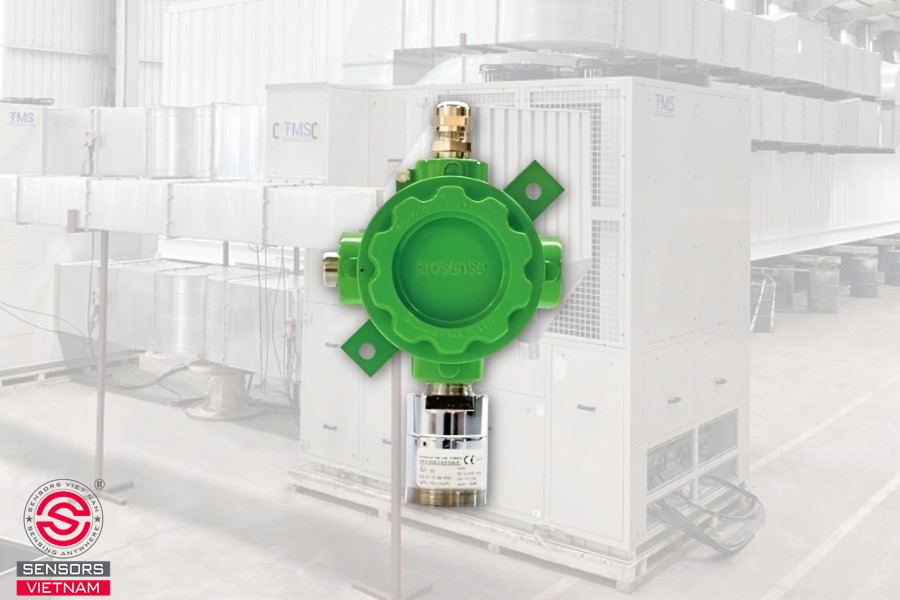
Ozone gas (O3) is an important factor in modern industry thanks to its powerful oxidizing properties. However, the line between its benefits and risks is extremely thin. That is why O3 gas sensors have become, and will continue to be, indispensable devices in automated monitoring and control systems.
THE IMPORTANCE OF O3 GAS SENSORS
Ozone (O3) is a gas composed of three oxygen atoms bonded together. At low concentrations, ozone is widely used for sterilization, deodorization, and water treatment. However, at high concentrations, O3 becomes highly toxic. It can irritate the respiratory system and negatively affect both human health and the lifespan of machinery and equipment.
Using an O3 gas detector helps to:
- Ensure the safety of workers, machinery, and equipment in areas with ozone generators or locations where O3 may accumulate at hazardous levels.
- Optimize sterilization processes in the food and beverage industry.
- Control indoor air quality through HVAC systems in commercial buildings, offices, shopping centers, and smart buildings.
- Monitor and control chemical reactions in cleanrooms, laboratories, and industrial production facilities.
O3 gas sensors play a critical role in both industrial and residential environments.
 See more: O2 sensor
O3 GAS SENSORS AND CORE DETECTION TECHNOLOGIES
Today’s market offers various ozone gas sensing technologies. The most common include:
Electrochemical O3 gas sensors
This is the most widely used technology for ozone gas detection. It operates based on changes in electrical current when ozone comes into contact with electrodes in an electrolyte solution. The generated current is proportional to the ozone concentration in the air. This method provides highly accurate measurement even at very low concentrations.
Semiconductor technology
Semiconductor ozone sensor modules use metal oxide semiconductor materials, making them more cost-effective than electrochemical sensors. When O3 molecules contact the sensor surface, the resistance of the semiconductor material changes, allowing ozone concentration to be calculated.
However, these sensors are generally more sensitive to humidity and interference from other gases.
Ultraviolet (UV) technology
This is considered the gold standard for ozone measurement in laboratories where extremely high accuracy is required. The device measures ozone concentration based on the UV light absorption characteristics of O3 molecules at the specific wavelength of 254 nm.
Electrochemical ozone sensors remain one of the most popular solutions in industrial applications.
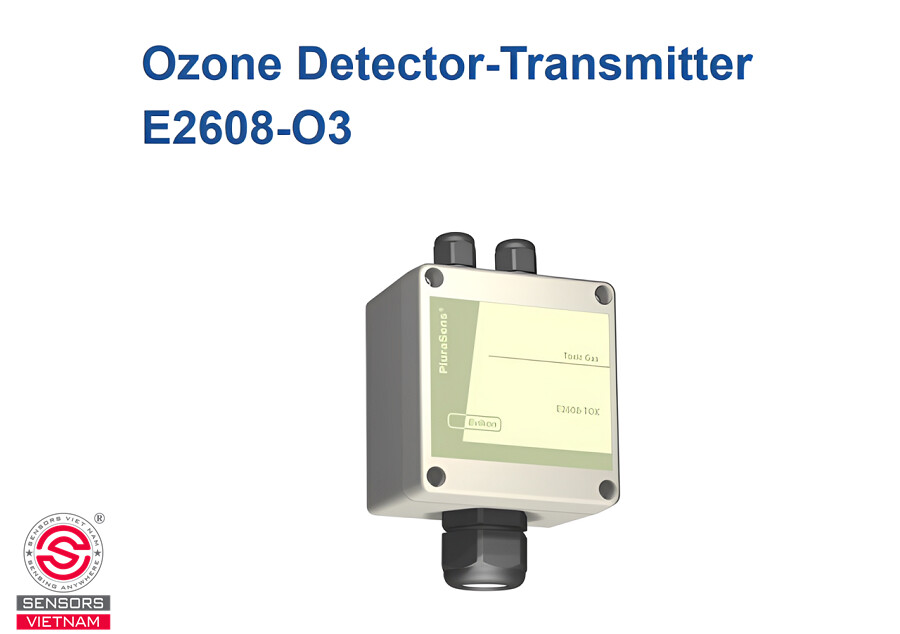
See more: NH3 Sensor in livestock farming
PRACTICAL APPLICATIONS OF O3 GAS SENSORS
Ozone gas sensors are widely used across industrial operations and environmental protection systems.
HVAC Systems
In HVAC systems, ozone sensors continuously monitor O3 levels in the air. This helps detect unsafe ozone concentrations early while enabling automatic sterilization processes to eliminate bacteria, viruses, and mold inside air ducts.
Water treatment and quality control
Ozone is one of the most powerful disinfectants available. It is widely used in water treatment plants for drinking water, domestic water, and ultra-pure water used in pharmaceutical, semiconductor, and precision manufacturing industries.
O3 sensor modules are installed at key points in the treatment process to ensure ozone levels are sufficient to destroy harmful microorganisms without exceeding safe limits. After sterilization, the sensors continue monitoring residual ozone to guarantee clean and safe water before distribution.
Smart agriculture
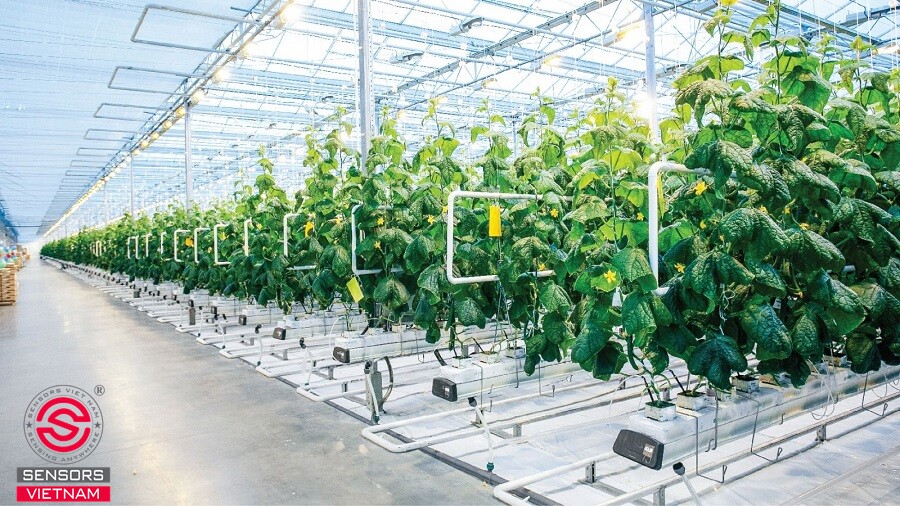
In greenhouses, livestock farms, and advanced agricultural facilities, ozone gas sensors are used to monitor indoor air quality. They help detect mold, fungal diseases, and other harmful contaminants early.
Some automated agricultural systems combine ozone sensors with ozone generators for sterilization when contamination levels rise and threaten crops or livestock.
Industrial production areas and chemical plants
Heavy industrial zones, chemical plants, and manufacturing facilities that use ozone or may generate ozone should install ozone gas detectors in multiple locations for continuous monitoring and workplace safety.
In many cases, this is a mandatory requirement under occupational safety and environmental regulations. O3 sensors must operate continuously, transmit data to control systems, and trigger alarms when ozone exceeds allowable thresholds.
Laboratories
Laboratories, research institutes, and educational facilities where ozone may be present should install ozone sensors. In these environments, sensors must provide exceptional accuracy and long-term stability.
Basements, underground parking areas, and enclosed spaces
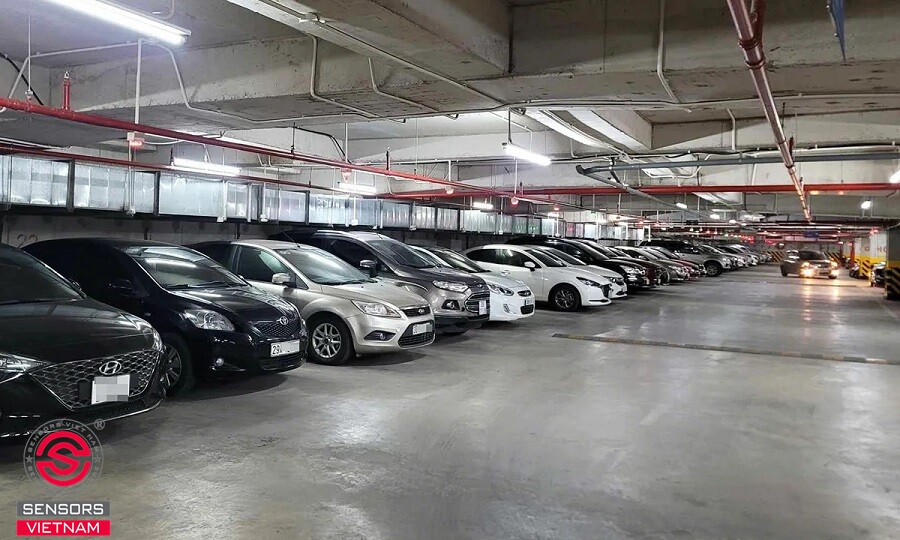
In basements, underground parking garages, warehouses, and other enclosed spaces, ozone gas sensors are installed to quickly detect the presence of ozone and measure its concentration. This ensures ozone levels remain within safe limits.
Ozone gas detectors are extremely important in underground parking facilities and confined areas.
 SENSORS VIETNAM - THE LEADING SENSOR DISTRIBUTOR IN VIETNAM
Sensors Vietnam is an authorized distributor of high-quality O3 gas sensors, offering a wide range of brands, measuring ranges, and output signal options. We also provide competitive pricing, full CO/CQ documentation, certification support, reliable warranty policies, professional technical assistance, and complete consultation services to help customers choose the most suitable ozone gas sensor solution.
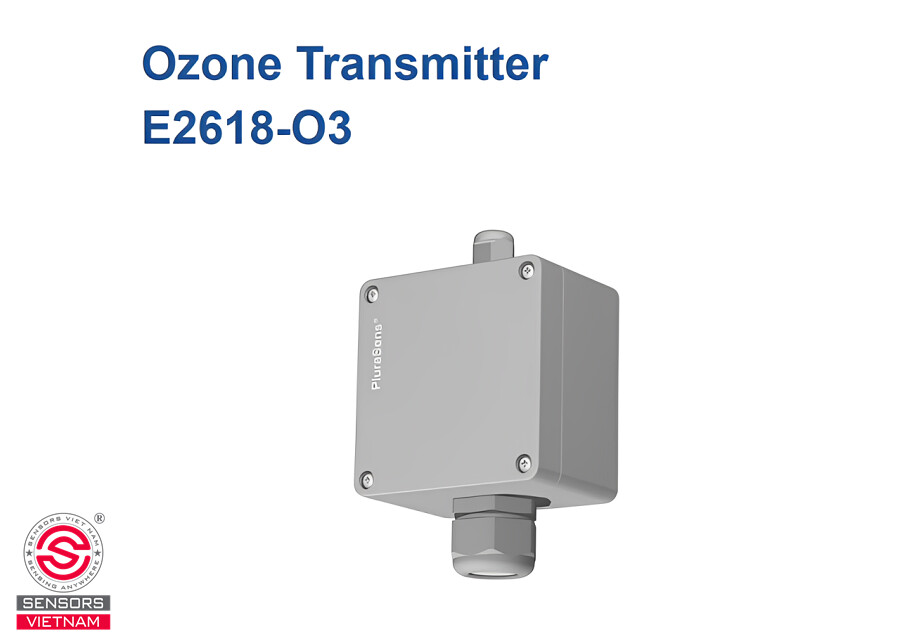
Product reference: O3 sensor
Hot news


SENSORS VIETNAM CO., LTD
VAT CODE: 0313 355 473
Head Office: 03rd Floor, Indochina Tower, 04 Nguyen Dinh Chieu, Tan Dinh Ward, Ho Chi Minh City, Vietnam.
HCM Branch: 92/14/9A Vuon Lai Str., An Phu Dong Ward, Ho Chi Minh City, Vietnam.
Hanoi Branch: S106 Tower, Vinhomes Smart City, Tay Mo Ward, Hanoi City, Vietnam.

® Registered trademark – National Office of Intellectual Property Vietnam
OUR SERVICES
Specializing in the import and distribution of industrial sensors.
Sensors for HVAC/R systems and building automation applications.
Supplying gauges, transmitters, switches, controllers, PLCs, HMIs, and gas detectors.
Providing integrated consulting services for sensor and controller systems.


CONTACT US
Email: sales(at)sensors.vn
Hotline: +84 0911 660 660
Asia Commercial Bank Account (ACB):
VND: 357 246 888 | USD: 1357 246 888
Support Online ZALO Official Account
(From 8:00 am to 5:00 pm)





SENSORS VIETNAM CO., LTD
- Specialized in the import and distribution of sensors and controllers.
- Integrated data acquisition systems and industrial communication solutions.
- Design and installation of smart home systems and industrial equipment.
- Stack lights, signal beacons, LED warning horns, and RGB warning lights.