




CUSTOMER SERVICE
www.sensors.vn
Admin@sensors.vn
www.cambien.com.vn
DAMPER ACTUATOR IN CLEANROOM
Date 27/May/2026 at 04:45 PM - View: 12
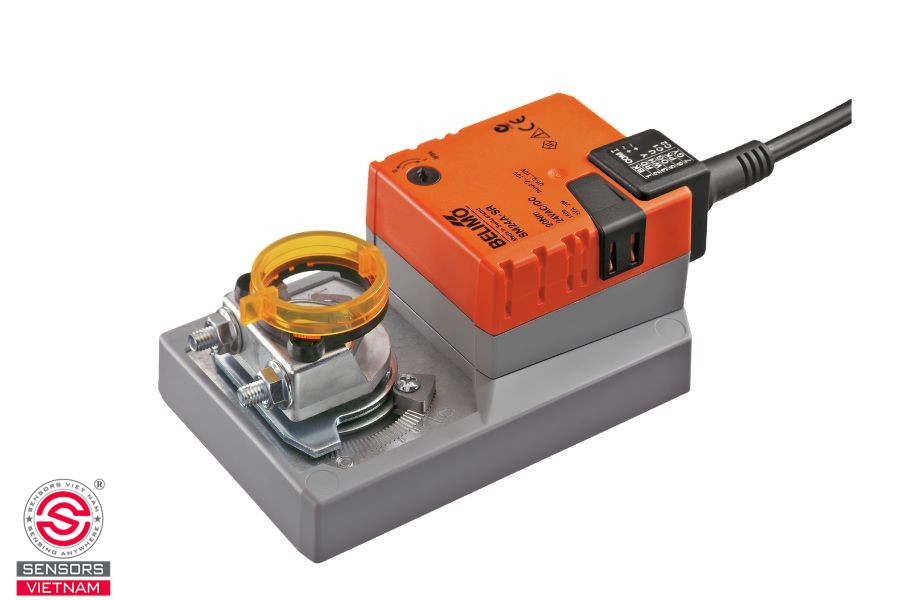
When people think about cleanrooms, they usually imagine sterile gowns, HEPA filters, and strict contamination control procedures. Very few notice the small but critically important device operating behind the scenes of the entire cleanroom infrastructure: the air damper actuator. Not every standard damper actuator can meet the demanding requirements of such a specialized environment.
1. WHY CLEANROOMS NEED AIR DAMPER ACTUATORS?
A cleanroom is a tightly controlled environment where even the slightest fluctuation in air pressure or airflow can lead to severe consequences: contamination of pharmaceutical products, semiconductor defects, or even the spread of hazardous pathogens in biological laboratories.
For this reason, air damper actuators used in cleanrooms must satisfy a completely different set of technical requirements compared to standard commercial HVAC applications. From low-particle-emission housing materials and ultra-precise differential pressure control to chemical resistance against aggressive disinfectants and seamless integration with continuous monitoring systems, every design feature serves a specific engineering purpose derived from cleanroom operational standards.
To understand why air damper actuators are so important in cleanrooms, it is necessary to understand the fundamental contamination control mechanisms used in these environments. Cleanrooms mainly control contamination through two methods: dilution and differential pressure control.
- Dilution control: This mechanism continuously supplies a large volume of filtered, clean air to replace contaminated air inside the room.
- Differential pressure control: This mechanism creates pressure differences between adjacent zones to ensure that airflow always moves from cleaner areas toward less clean areas, thereby preventing external contaminants from entering the protected environment.
Positive-pressure cleanrooms are commonly used in pharmaceutical manufacturing and semiconductor production, while negative-pressure cleanrooms are used in microbiology and biosafety applications where hazardous pathogens must not escape into surrounding areas.
To maintain both mechanisms continuously and accurately, the cleanroom HVAC system depends entirely on the real-time airflow regulation capability of air dampers, and more specifically, on the precision and reliability of the air damper actuators controlling them.
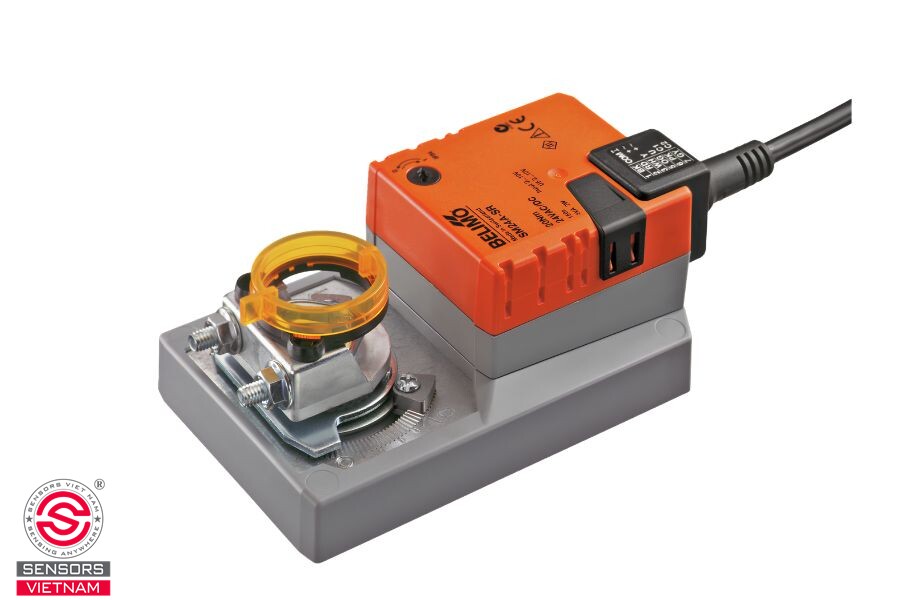
→ See more: Sensors Vietnam - Authorized distributor of Belimo air damper actuators in Vietnam
2. KEY FEATURES OF AIR DAMPER ACTUATORS FOR CLEANROOMS
- Material selection and surface finishing
Cleanroom-grade air damper actuators use housings manufactured from high-grade engineering plastics or anodized aluminum alloy with smooth, non-porous surfaces. Some premium models utilize SUS316 stainless steel enclosures to meet the strictest cleanroom requirements in semiconductor and biopharmaceutical industries.
Internal sealing gaskets and rubber joints must be manufactured from chemically resistant materials such as pharmaceutical-grade EPDM, Viton, or medical-grade silicone to prevent degradation when exposed to Vaporized Hydrogen Peroxide (VHP) or other aggressive disinfectants.
- High IP protection and chemical resistance
While standard office AHU damper actuators may only require IP42 or IP54 protection, cleanroom applications typically demand at least IP54, and many projects require IP65 or higher to withstand routine sanitization and disinfectant spraying procedures.
It is important to note that IP ratings only evaluate water and dust protection capability, not chemical resistance. Therefore, separate chemical resistance certification from the manufacturer is often required.
- High control resolution and fast response capability
Air damper actuators designed for cleanrooms typically feature control signal resolutions of 10-bit or higher, equivalent to 1024 positioning steps. This allows extremely fine airflow adjustment, with each step changing airflow by only a small percentage.
This level of precision is particularly important in cleanroom VAV systems where stable differential pressure must be maintained within fluctuation limits below ±2 Pa.
- Response time
When a cleanroom door opens, differential pressure can change dramatically in less than one second. The damper actuator must respond rapidly to compensate for the pressure loss and restore the required pressure condition before contamination risks arise.
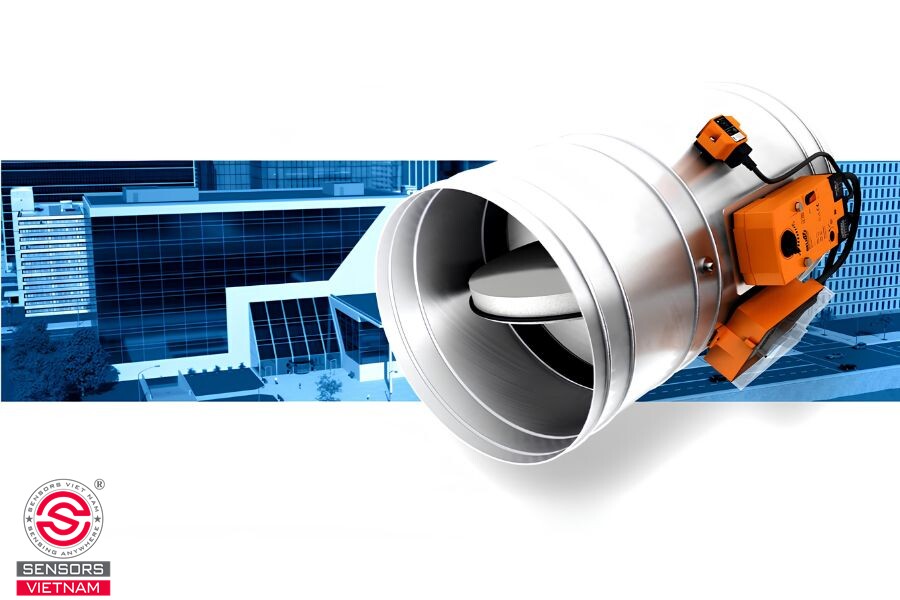
→ See more: Top trusted air damper actuator brands in the HVAC industry
3. APPLICATIONS OF AIR DAMPER ACTUATORS IN SPECIALISED CLEANROOMS
- Pharmaceutical cleanrooms
This is one of the most demanding and highest-value application sectors. Sterile pharmaceutical cleanrooms are classified into Grades A, B, C, and D, with Grade A representing the strictest cleanliness level.
In GMP environments, air damper actuators must meet special requirements such as:
- Fail-safe positioning during power loss or control signal interruption
- Integration with SCADA and BMS systems
- Alarm signal generation when damper position deviates beyond allowable tolerance
- Semiconductor and electronics cleanrooms
In semiconductor manufacturing applications, air damper actuators must focus heavily on:
- Preventing particle emission from housing surfaces and sealing gaskets
- Minimizing outgassing from plastic materials, especially volatile organic compounds that may contaminate wafer surfaces
- Withstanding environments containing specialized chemicals such as airborne hydrofluoric acid (HF)
- Anti-static design to protect nearby sensitive electronic components
- Biosafety laboratories
Laboratories handling infectious pathogens require strict negative pressure control relative to surrounding corridors and external spaces. The objective is to ensure air flows only into the laboratory and never escapes outward.
In these applications, air damper actuators control both supply and exhaust dampers using tightly regulated airflow differentials. Systems often require extremely fast response times of less than two seconds when doors are opened unexpectedly and integration with door interlock systems to prevent simultaneous door opening events. Even a brief loss of negative pressure may create a serious biosafety incident.
- Food and beverage cleanrooms
The food industry uses cleanrooms for aseptic packaging and production of contamination-sensitive products. The primary requirement in this sector is resistance to regular cleaning using high-pressure water and food-grade sanitation chemicals.
Air damper actuators in these environments typically require IP65 or IP66 protection ratings, and enclosure materials must resist corrosion caused by alkaline cleaning agents commonly used in food processing facilities.
- Hospitals and healthcare facilities
Operating rooms, ICU rooms, and patient isolation rooms are also important healthcare cleanroom applications for air damper actuators.
Operating theaters generally require positive pressure maintenance of approximately 2.5 Pa relative to adjacent corridors to prevent bacterial contamination from entering the surgical environment during procedures.
In these applications, air damper actuators are often integrated with room status indicator systems and hospital building management systems.
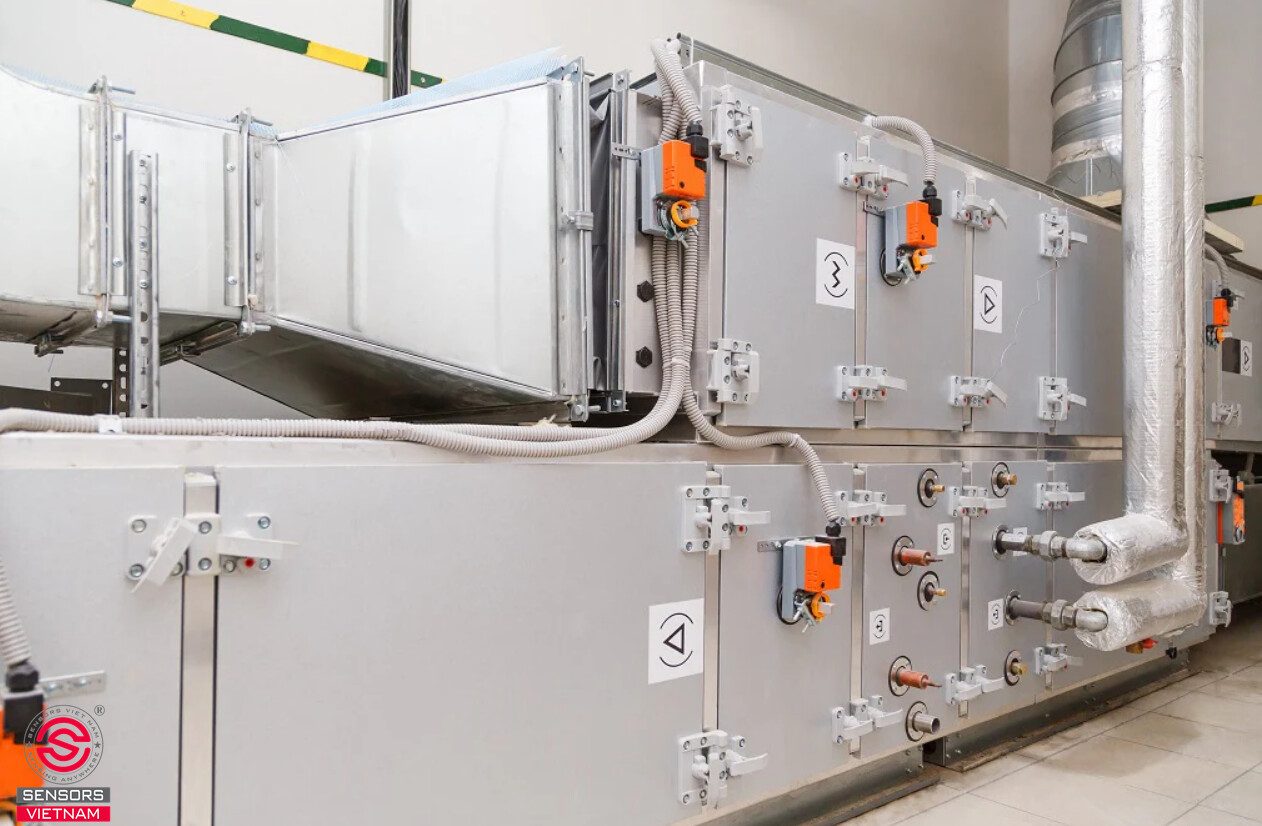 → See more: Air damper actuators and their applications in HVAC systems
SENSORS VIETNAM - THE LEADING DISTRIBUTOR OF AIR DAMPER ACTUATORS IN VIETNAM
Sensors Vietnam is a trusted supplier of genuine air damper actuators from leading global manufacturers, especially PHC. PHC specializes in high-quality and cost-effective HVAC damper actuators designed to control damper opening angles for accurate airflow regulation in ventilation and air conditioning systems.
In addition to guaranteed product quality, Sensors Vietnam also provides:
- Professional pre-sales and after-sales support
- Competitive and reasonable pricing
- Reliable 2-year warranty policy
- Full CO/CQ certification for projects
- Fast nationwide delivery services
For more information or to order genuine air damper actuators, please contact Sensors Vietnam directly for fast and professional support.
→ See more: Sensors Vietnam - Authorized distributor of Nenutec air damper actuators in Vietnam
Hot news


SENSORS VIETNAM CO., LTD
VAT CODE: 0313 355 473
Head Office: 03rd Floor, Indochina Tower, 04 Nguyen Dinh Chieu, Tan Dinh Ward, Ho Chi Minh City, Vietnam.
HCM Branch: 92/14/9A Vuon Lai Str., An Phu Dong Ward, Ho Chi Minh City, Vietnam.
Hanoi Branch: S106 Tower, Vinhomes Smart City, Tay Mo Ward, Hanoi City, Vietnam.

® Registered trademark – National Office of Intellectual Property Vietnam
OUR SERVICES
Specializing in the import and distribution of industrial sensors.
Sensors for HVAC/R systems and building automation applications.
Supplying gauges, transmitters, switches, controllers, PLCs, HMIs, and gas detectors.
Providing integrated consulting services for sensor and controller systems.


CONTACT US
Email: sales(at)sensors.vn
Hotline: +84 0911 660 660
Asia Commercial Bank Account (ACB):
VND: 357 246 888 | USD: 1357 246 888
Support Online ZALO Official Account
(From 8:00 am to 5:00 pm)





SENSORS VIETNAM CO., LTD
- Specialized in the import and distribution of sensors and controllers.
- Integrated data acquisition systems and industrial communication solutions.
- Design and installation of smart home systems and industrial equipment.
- Stack lights, signal beacons, LED warning horns, and RGB warning lights.