






CUSTOMER SERVICE
www.sensors.vn
Admin@sensors.vn
www.cambien.com.vn
WHAT IS C3H6O DETECTOR?
Date 03/Sep/2026 at 03:25 PM - View: 12
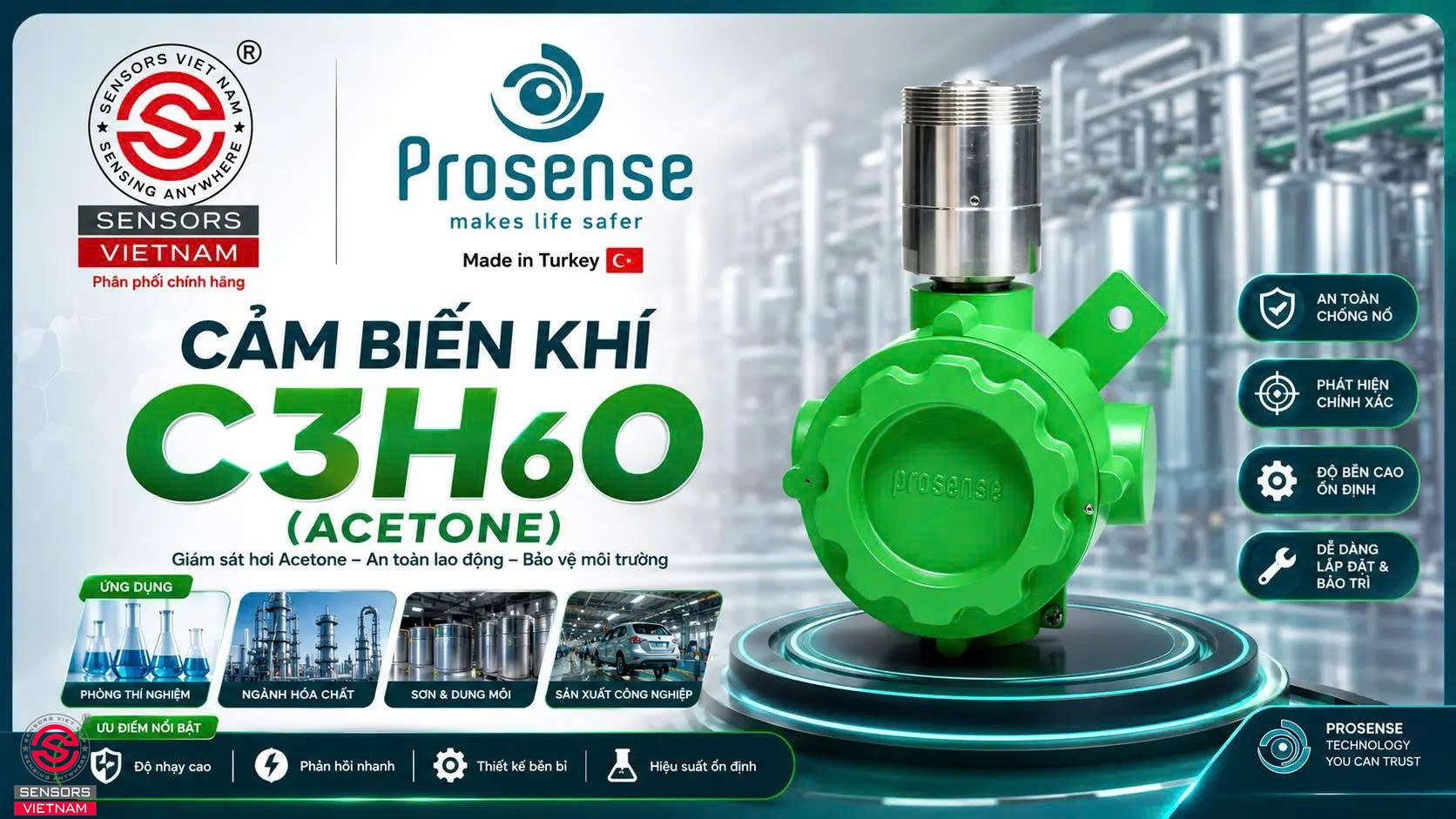
Acetone gas sensor (C3H6O) is a specialized device used to detect and measure the concentration of acetone gas in the air, providing early warning of solvent vapor leaks or buildup in production environments.
What you need to know about C3H6O
Acetone is a colorless, highly volatile liquid with a mild, distinctive sweet odor and is fully miscible with water. Under normal conditions, acetone boils at around 56 degrees Celsius, so it evaporates readily when exposed to air, particularly in enclosed or poorly ventilated areas of a factory.
In terms of health effects, exposure to high concentrations of acetone can irritate the eyes, nose, and throat, as well as affect the central nervous system. What makes acetone a hazard that is frequently underestimated in industrial settings is its familiarity. Because it is a common ingredient in household products such as nail polish remover, many workers do not perceive acetone as a hazardous chemical. Its distinctive smell also causes olfactory fatigue over time, leading to a false sense of safety even when airborne concentrations remain at concerning levels. This is why areas with frequent acetone use should be equipped with toxic gas sensors and acetone gas detection devices rather than relying solely on human perception.
Overview of the C3H6O (Acetone) gas sensor
A C3H6O gas sensor is an electronic device designed to detect the presence of acetone molecules in the air and convert that information into a measurable electrical signal that can be displayed or transmitted to a central control system. In industrial environments, this sensor is typically installed in areas prone to solvent leaks, such as storage tanks, piping systems, mixing areas, or laboratories.
Depending on the intended use, acetone gas sensors fall into two main categories.
- Fixed sensors are installed at critical locations and remain continuously connected to a factory's alarm or control system for real time monitoring.
- Portable sensors, whether handheld or worn by personnel, are suited for periodic inspections or for equipping operators working in areas with direct exposure risk.
Both types share the same goal: detecting abnormal acetone concentrations before they exceed safe limits.
 Core technology behind the C3H6O (Acetone) gas sensor
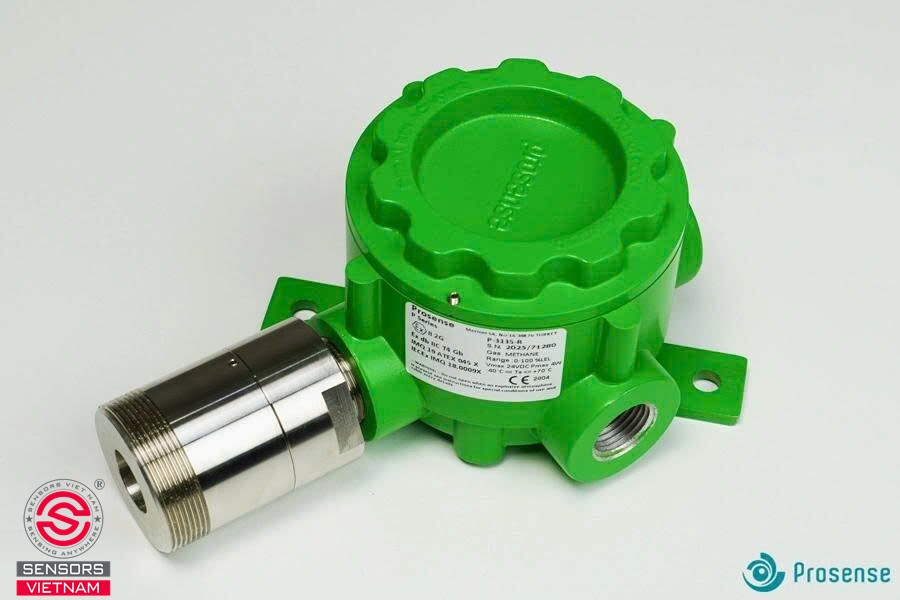
C3H6O gas sensors are typically built on one of several common sensing technologies, each with its own operating principle and range of applications.
- Metal oxide semiconductor sensors: these operate based on changes in the resistance of a semiconductor layer when exposed to acetone gas at a specific operating temperature. This technology is widely used for flammable gas alarm applications within a percentage of the lower explosive limit, offering good mechanical durability and reasonable cost.
- Photoionization sensors: these use an ultraviolet light source to ionize gas molecules, generating a current proportional to gas concentration. Because acetone molecules ionize readily, this technology is commonly applied to detect acetone and other volatile organic compounds at low concentrations, making it well suited for occupational health monitoring.
- Electrochemical sensors: these rely on an oxidation reduction reaction at the electrode as gas diffuses into the sensor chamber, producing a current proportional to gas concentration. This technology is more commonly used for other toxic gases, though depending on the manufacturer, certain specialized electrochemical cells can also be calibrated for ketone compounds such as acetone.
The choice of technology depends on a factory's monitoring objectives, whether that is explosion risk warning, controlling worker exposure levels, or a combination of both.
Operating principle of the C3H6O (Acetone) gas sensor
The general operating principle of a C3H6O gas sensor begins with gas diffusion or active sampling. Acetone vapor in the surrounding air comes into contact with the sensor surface, either through natural diffusion in fixed devices or active pumping in certain portable units.
When the gas contacts the sensing element, a physical or chemical reaction occurs depending on the technology used, such as a change in resistance for semiconductor sensors or the generation of an ion current for photoionization sensors. The resulting electrical signal is then amplified, filtered, and converted by the processing circuit into a concentration value, typically expressed in parts per million.
The measured concentration is then compared against preset alarm thresholds. When the acetone concentration exceeds the allowable limit, the device triggers an alarm through sound, warning lights, or by sending a signal to the central control system to activate ventilation fans, halt the production process, or notify operators to evacuate the hazardous area. In industrial systems, the output signal is usually transmitted as an analog current or digital protocol for direct integration into control panels or the factory's automated monitoring system.
To maintain accuracy throughout its service life, a factory gas sensor needs to be calibrated periodically according to the manufacturer's recommendations, since the sensitivity of the sensing element can decline over time and with changing operating conditions.
Practical applications of the C3H6O (Acetone) gas sensor
C3H6O gas sensors are widely used across industrial sectors that use acetone as a raw material or solvent, including:
- Pharmaceutical plants, where acetone is used in the synthesis or purification of active ingredients
- Paint, ink, and surface coating manufacturing facilities
- Plastic, adhesive, and composite material production sites
- Electronic component cleaning and surface treatment workshops
- Cosmetics manufacturing, particularly nail care products
- Chemical and industrial solvent storage warehouses
- Analytical and chemical testing laboratories
Across all of these environments, installing an acetone gas sensor in leak prone areas allows a factory to proactively detect incidents before gas concentrations reach levels hazardous to people or property.
 Key advantages of the C3H6O (Acetone) gas sensor
Equipping a facility with a C3H6O gas sensor delivers several practical benefits for production operations and safety management.
- Early warning of acetone leaks or vapor buildup, helping reduce explosion risk in production areas
- Protects worker health by continuously controlling exposure levels rather than relying on subjective perception
- Real time monitoring, enabling abnormalities to be detected as soon as they occur
- Easy integration with automated control systems, electrical panels, or a factory's central monitoring system
- Helps businesses comply with occupational safety and fire prevention regulations
Thanks to these advantages, the C3H6O gas sensor is becoming an essential component of the safety systems in factories that use acetone, contributing to a safer and more sustainable production environment.
C3H6O (Acetone) gas sensor solutions from Prosense
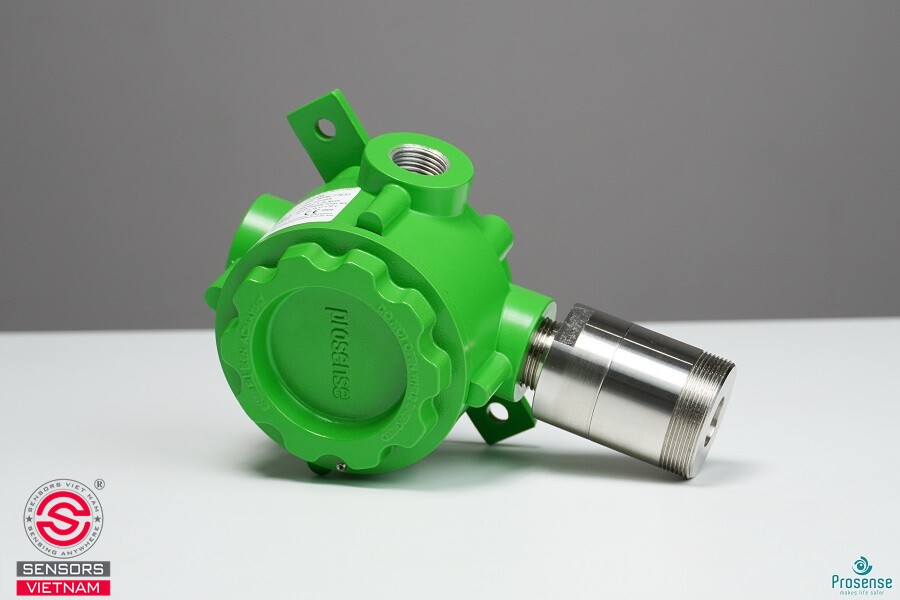
Prosense, a brand from Turkey, is one of the world's leading manufacturers of gas sensors. The company specializes in a diverse range of high quality C3H6O (Acetone) gas sensors known for accurate, stable, and long lasting performance. Thanks to these strengths, Prosense gas sensors are a top choice for factories, automation engineers, and system integrators worldwide, including in Vietnam.
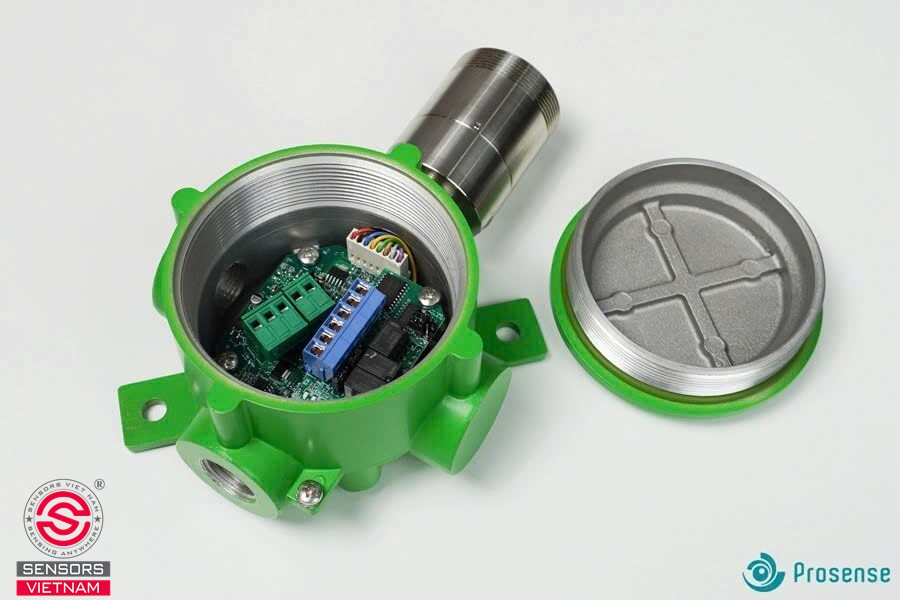
For acetone gas monitoring applications in paint, cosmetics, chemical, electronics, and other industrial manufacturing facilities, Prosense offers dedicated C3H6O gas detection series, including the P-4535, PQD-4535, and PQD-S-4535 Series.
These products are designed to detect and measure acetone concentration across a range of 0 to 100% LEL, and feature industry standard outputs including 0 to 10V, 4 to 20 mA, and Modbus RTU RS485. These technical features make them well suited for monitoring and responding to explosion risks caused by acetone vapor buildup in production environments.
In addition to C3H6O (Acetone) gas sensors, Prosense also offers hundreds of gas detection and measurement solutions, confidently meeting the needs of a wide range of industries, from common applications to highly specialized ones.
 Buy genuine C3H6O (Acetone) gas sensors at Sensors Vietnam
Sensors Vietnam is a provider of advanced measurement, sensing, and automation solutions, including C3H6O gas sensors. We offer a diverse, genuine product portfolio sourced from leading global brands, confidently meeting the full range of customer application needs.
Why choose a solution or product from Sensors Vietnam?
- 100% genuine products from leading global brands
- A comprehensive equipment ecosystem
- Highly competitive market pricing
- Fast nationwide delivery
- Free, fully personalized solution consulting from a professional engineering team
- Committed product quality with full CO/CQ documentation and long-term warranty
For detailed information or to order a C3H6O (Acetone) gas sensor, please contact Sensors Vietnam directly for prompt, dedicated support.
Hot news


SENSORS VIETNAM CO., LTD
VAT CODE: 0313 355 473
Head Office: 03rd Floor, Indochina Tower, 04 Nguyen Dinh Chieu, Tan Dinh Ward, Ho Chi Minh City, Vietnam.
HCM Branch: 92/14/9A Vuon Lai Str., An Phu Dong Ward, Ho Chi Minh City, Vietnam.
Hanoi Branch: S106 Tower, Vinhomes Smart City, Tay Mo Ward, Hanoi City, Vietnam.

® Registered trademark – National Office of Intellectual Property Vietnam
OUR SERVICES
Specializing in the import and distribution of industrial sensors.
Sensors for HVAC/R systems and building automation applications.
Supplying gauges, transmitters, switches, controllers, PLCs, HMIs, and gas detectors.
Providing integrated consulting services for sensor and controller systems.


CONTACT US
Email: sales(at)sensors.vn
Hotline: +84 0911 660 660
Asia Commercial Bank Account (ACB):
VND: 357 246 888 | USD: 1357 246 888
Support Online ZALO Official Account
(From 8:00 am to 5:00 pm)





SENSORS VIETNAM CO., LTD
- Specialized in the import and distribution of sensors and controllers.
- Integrated data acquisition systems and industrial communication solutions.
- Design and installation of smart home systems and industrial equipment.
- Stack lights, signal beacons, LED warning horns, and RGB warning lights.