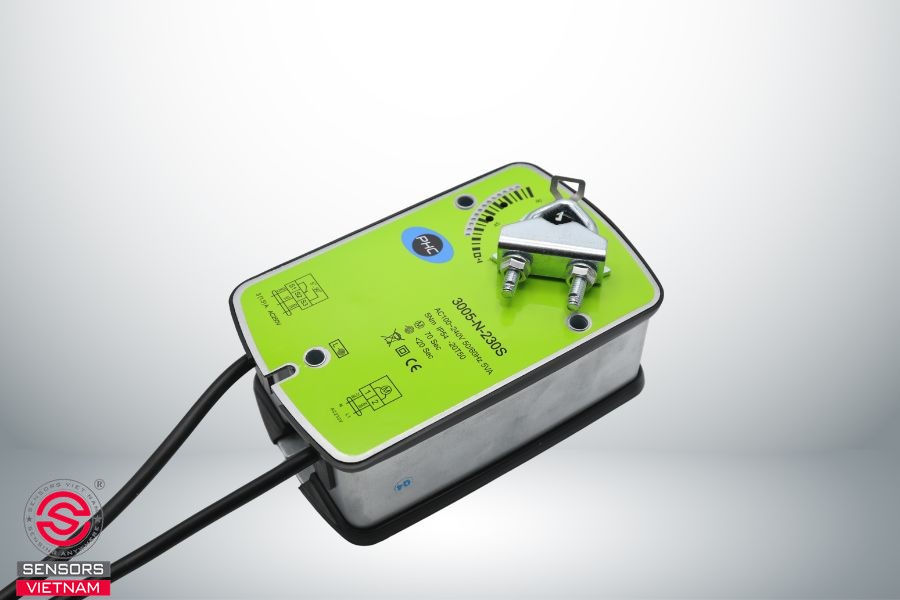
In HVAC systems, a damper actuator is responsible for controlling the opening angle of a damper to regulate airflow through ductwork. In addition to the simple ON/OFF actuator, the linear damper actuator is the preferred solution for projects requiring highly accurate airflow and static pressure control. This article explains the operating principle of linear damper actuators, their key differences from other actuator types, and their most common applications.
Overview of damper actuators
A damper actuator is a device mounted directly onto the damper shaft to rotate the damper blade to a specified angle, thereby regulating the volume of air flowing through the duct system. The actuator receives control signals from the Building Management System (BMS) or a central controller and converts them into mechanical motion to open, close, or modulate the damper position according to operational requirements.
Based on the type of control signal they receive and process, damper actuators are generally classified into the following categories:
- ON/OFF damper actuators, which operate in only two positions: fully open or fully closed.
- Linear (modulating) damper actuators, which continuously adjust the damper position in response to an analog control signal.
- Spring return damper actuators, which automatically return the damper to its fail-safe position in the event of a power failure.
- Fire damper actuators, which are designed to withstand high temperatures and operate fire dampers in fire protection systems.
Among these types, linear damper actuators offer superior control performance and are ideal for HVAC systems that require precise, real-time airflow regulation.
What is a linear damper actuator?
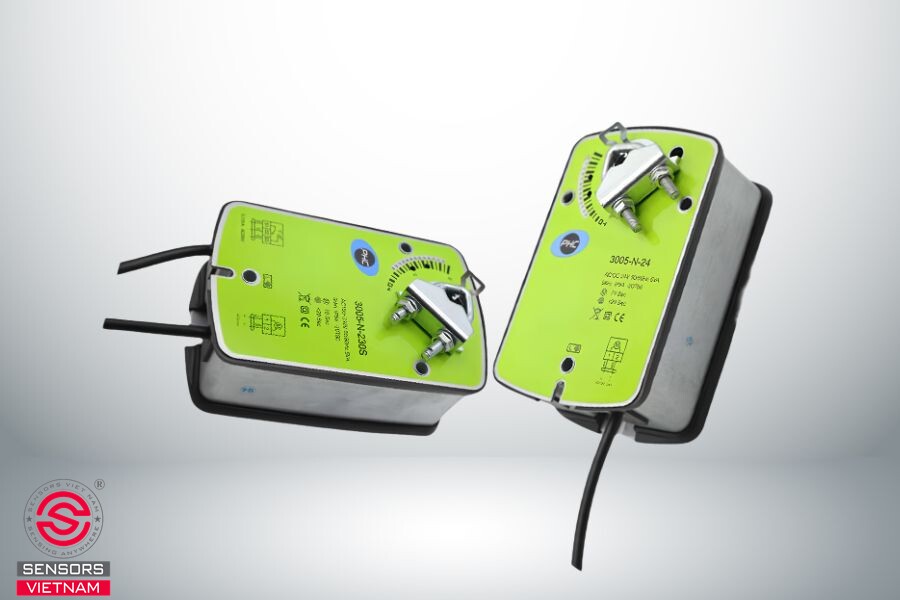
A linear damper actuator, also known as a modulating damper actuator or proportional damper actuator, is capable of stopping at any damper position between 0° and 90°, rather than operating only in the fully open or fully closed positions like an ON/OFF actuator. The damper opening angle is directly proportional to the analog control signal supplied to the actuator.
In terms of control signals, linear damper actuators commonly accept standard analog inputs such as 0–10 VDC or 4–20 mA. An integrated electronic control circuit converts the input signal into the corresponding rotational position of the damper shaft. In addition, many linear damper actuator models provide a position feedback signal to the central controller, allowing the Building Management System (BMS) to continuously monitor the actual damper position.
 Differences between linear damper actuators and other types
- Compared with ON/OFF Damper Actuators
The primary difference lies in the ability to control intermediate damper positions. A linear damper actuator can stop at any point within its operating range, whereas an ON/OFF damper actuator operates only in two positions: fully open or fully closed. This capability allows linear actuators to provide smooth airflow modulation, making them ideal for applications requiring precise real-time temperature or differential pressure control, such as Variable Air Volume (VAV) systems and GMP cleanrooms.
From a design perspective, linear damper actuators are more sophisticated because they incorporate analog signal processing electronics, resulting in a higher initial investment than ON/OFF models. However, the gradual and continuous movement of the damper blade significantly reduces mechanical stress on both the damper shaft and linkage, contributing to longer service life and improved operational reliability.
- Compared with spring return damper actuators
A spring return mechanism is a safety feature that can be incorporated into both ON/OFF and linear actuator platforms rather than representing a completely separate actuator category. A standard linear damper actuator without a spring return remains at its last operating position if power is lost. In contrast, a spring return version automatically drives the damper to its predetermined fail-safe position immediately after a power failure, making it suitable for applications with stringent fire safety or smoke control requirements.
- Compared with fire damper actuators
A fire damper actuator is specifically engineered to withstand prolonged exposure to elevated temperatures. It utilizes heat-resistant materials and is typically equipped with an integrated spring return mechanism for operating fire dampers in fire protection systems. By comparison, a standard linear damper actuator is intended primarily for airflow modulation under normal HVAC operating temperatures and is not designed to function under the extreme thermal conditions encountered during a fire.
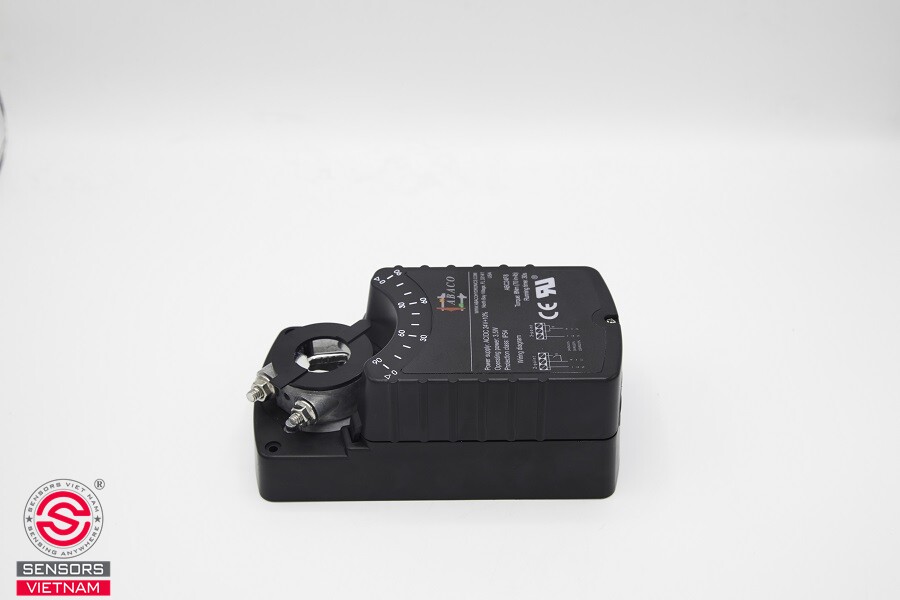 Applications of linear damper actuators
Thanks to their ability to continuously modulate the damper position and integrate seamlessly with automated control systems, linear damper actuators are widely used in a variety of HVAC applications, including:
- Variable Air Volume (VAV) systems in office buildings and commercial complexes.
- GMP cleanrooms in pharmaceutical, nutraceutical, and medical device manufacturing facilities.
- Operating rooms and sterile areas in hospitals.
- Data centers.
- Central air conditioning systems in industrial manufacturing plants.
- Fresh air and return air mixing boxes within Air Handling Units (AHUs).
- Smart buildings utilizing Building Management Systems (BMS).
Linear damper actuators are particularly well suited for HVAC systems requiring highly accurate airflow and static pressure control due to their precise modulating capability and excellent compatibility with Building Management Systems. Their applications range from conventional commercial buildings to specialized environments such as cleanrooms, operating theaters, and data centers.
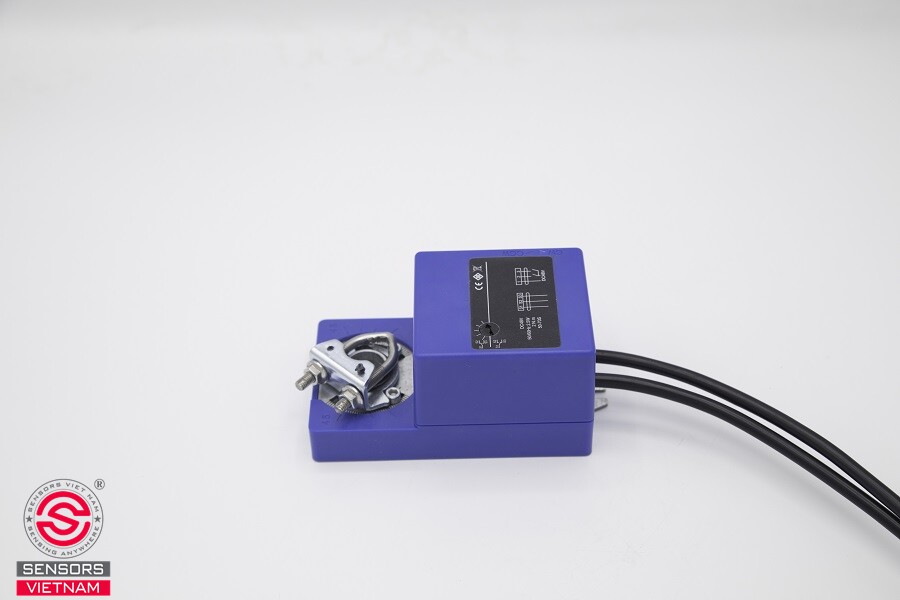 Select genuine HVAC damper actuators for smoke dampers from Sensors Vietnam
Sensors Vietnam is an authorized distributor of damper actuators from leading HVAC manufacturers, including models specifically designed for smoke damper applications. All products are directly imported, supplied with complete CO/CQ certification, and backed by a 2-year warranty along with comprehensive after-sales technical support.
To receive professional assistance in selecting the most suitable damper actuator for your HVAC project, contact the technical team at Sensors Vietnam for prompt consultation.