





CUSTOMER SERVICE
www.sensors.vn
Admin@sensors.vn
www.cambien.com.vn
WHAT IS SiH4 SENSOR?
Date 18/Aug/2026 at 04:18 PM - View: 13
.jpg)
No spark, no heat source needed; mere contact with air is enough for SiH4 gas to spontaneously ignite. This makes silane one of the most difficult industrial gases to control, and exactly why the SiH4 gas detector has become nearly mandatory at any semiconductor plant or solar panel manufacturing facility that uses this gas.
OVERVIEW OF SiH4 AND SiH4 (SILANE) GAS DETECTORS
SiH4, known as silane, is a colorless gas with a sharp, unpleasant odor somewhat similar to acetic acid. Silane's most hazardous characteristic is its pyrophoric nature, meaning it can spontaneously ignite upon contact with air without any ignition source, with an autoignition temperature of only around 54°C or below. Silane's flammable range is also unusually wide, spanning from approximately 1.37% to nearly 100% by volume in air, meaning that almost any leaked concentration carries a fire or explosion risk.
An SiH4 gas detector is a dedicated device used to detect the presence and measure the concentration of silane gas in the air, typically expressed in ppm since the recommended occupational exposure limit for this gas is fairly low, around 5 ppm as a time-weighted average. Because silane's ignition behavior when released into the environment is quite unpredictable, it may ignite immediately, ignite with delay, or not ignite at all depending on the specific conditions; early detection through a gas detector plays a far more critical role than with many ordinary combustible gases.
THE MOST NOTABLE APPLICATIONS OF SiH4 (SILANE) GAS DETECTORS
The most notable application of SiH4 gas detectors is in the semiconductor industry, where silane is used in chemical vapor deposition (CVD) processes to form thin silicon films on the surface of wafers. Cleanrooms and specialty gas handling areas at chip manufacturing plants require continuous gas concentration monitoring to protect operating technicians from the risk of sudden fire or explosion.
In the solar panel manufacturing industry, silane is used to form amorphous silicon layers through plasma-enhanced CVD (PECVD) technology, meaning thin-film solar panel production lines also require detectors installed at gas handling areas.
In addition, SiH4 gas detectors are also applied at liquid crystal display (LCD) manufacturing facilities, optical fiber production plants, and silicon materials research laboratories, locations that regularly operate high-pressure silane gas cylinders and piping systems.
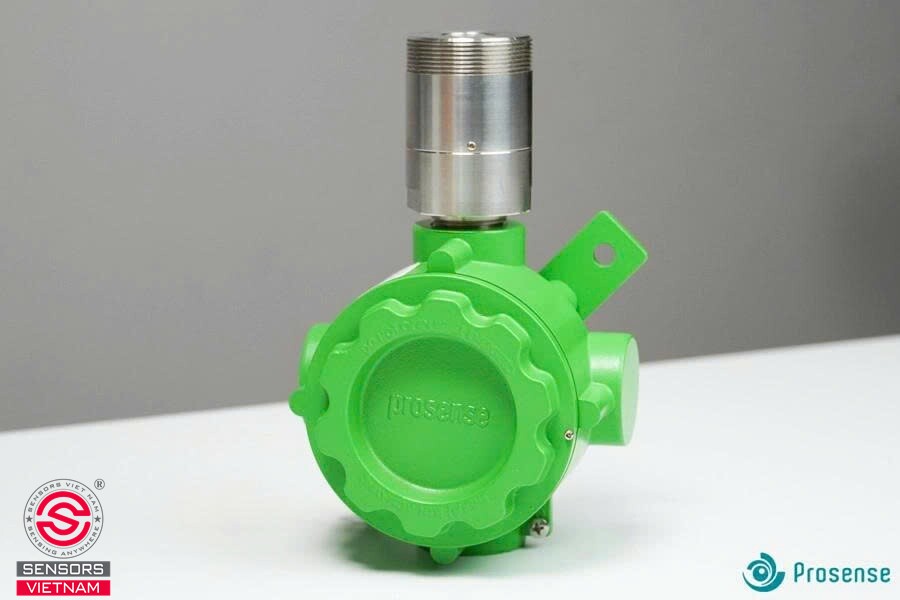
SiH4 (SILANE) GAS DETECTORS FROM PROSENSE - TURKEY
Prosense is a manufacturer of gas detectors and gas detection equipment headquartered in Turkey, specializing in industrial gas detection with UL, ATEX/IECEx, INMETRO and UKEX certifications.
Prosense's gas detector lines are designed for stable operation in harsh industrial environments and support several common signal output standards, including analog, relay, or RS485 Modbus, making integration into a centralized gas monitoring system at underground parking areas, charging stations or other high-safety-requirement facilities more convenient. This is also why the brand's products are widely applied across numerous industrial projects worldwide, including Vietnam.
HOW TO CHOOSE A SUITABLE, HIGH-QUALITY SiH4 (SILANE) GAS DETECTOR
Measurement range and sensitivity
Because silane's occupational exposure limit is fairly low, priority should be given to detectors with good resolution at low ppm ranges, sensitive enough to provide early warning before the gas concentration reaches a dangerous level.
Defining the intended use case
It is important to clearly define whether the monitoring purpose is health and safety warning in ppm or fire and explosion risk warning in %LEL, since these are two different technical requirements that can influence the choice of sensing technology.
Signal output and integration
Check the compatibility of the signal output, including 4-20mA analog, relay or RS-485 Modbus, to ensure smooth integration with the plant's existing BMS, PLC or SCADA system.
Environment and installation location
The detector should be installed near high leak risk points such as cylinders, valves and silane gas piping, while also meeting an IP protection rating and explosion protection certification suited to the hazardous zone classification at the facility.
Brand and technical support
Priority should be given to products from a reputable brand with clear technical documentation and the ability to support calibration and periodic maintenance, as this factor directly affects the long-term reliability of the silane gas monitoring system.
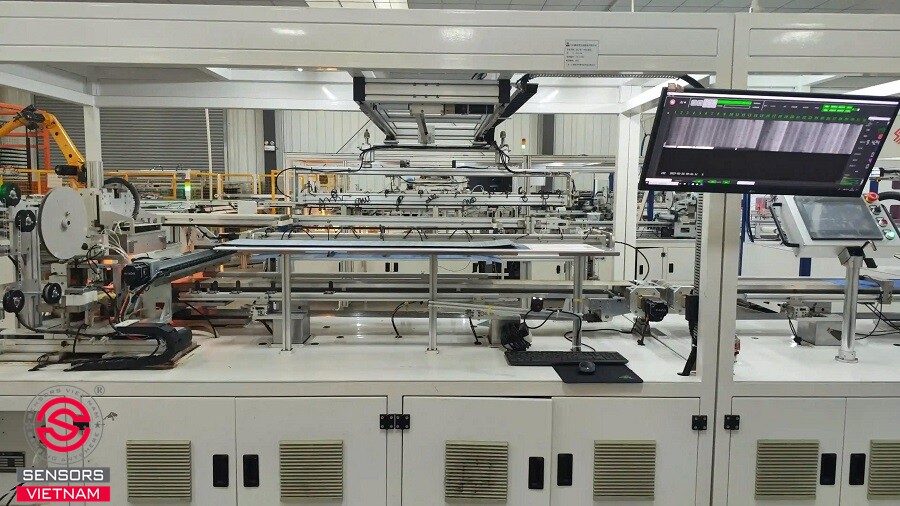
BUY GENUINE, HIGH QUALITY SILANE (SiH4) DETECTORS AT SENSORS VIETNAM
Sensors Vietnam is a provider of advanced measurement, sensing, and automation solutions, including silane (SiH4) gas detectors. We offer a diverse portfolio of genuine products from leading global manufacturers, fully capable of meeting the full range of customer application needs.
For detailed information or to order a Silane (SiH4) gas detector, please contact Sensors Vietnam directly for prompt and dedicated support.
Hot news


SENSORS VIETNAM CO., LTD
VAT CODE: 0313 355 473
Head Office: 03rd Floor, Indochina Tower, 04 Nguyen Dinh Chieu, Tan Dinh Ward, Ho Chi Minh City, Vietnam.
HCM Branch: 92/14/9A Vuon Lai Str., An Phu Dong Ward, Ho Chi Minh City, Vietnam.
Hanoi Branch: S106 Tower, Vinhomes Smart City, Tay Mo Ward, Hanoi City, Vietnam.

® Registered trademark – National Office of Intellectual Property Vietnam
OUR SERVICES
Specializing in the import and distribution of industrial sensors.
Sensors for HVAC/R systems and building automation applications.
Supplying gauges, transmitters, switches, controllers, PLCs, HMIs, and gas detectors.
Providing integrated consulting services for sensor and controller systems.


CONTACT US
Email: sales(at)sensors.vn
Hotline: +84 0911 660 660
Asia Commercial Bank Account (ACB):
VND: 357 246 888 | USD: 1357 246 888
Support Online ZALO Official Account
(From 8:00 am to 5:00 pm)





SENSORS VIETNAM CO., LTD
- Specialized in the import and distribution of sensors and controllers.
- Integrated data acquisition systems and industrial communication solutions.
- Design and installation of smart home systems and industrial equipment.
- Stack lights, signal beacons, LED warning horns, and RGB warning lights.