





CUSTOMER SERVICE
www.sensors.vn
Admin@sensors.vn
www.cambien.com.vn
CO2 SENSOR FOR BEER BREWING INDUSTRY
Date 12/Feb/2026 at 02:35 PM - View: 9
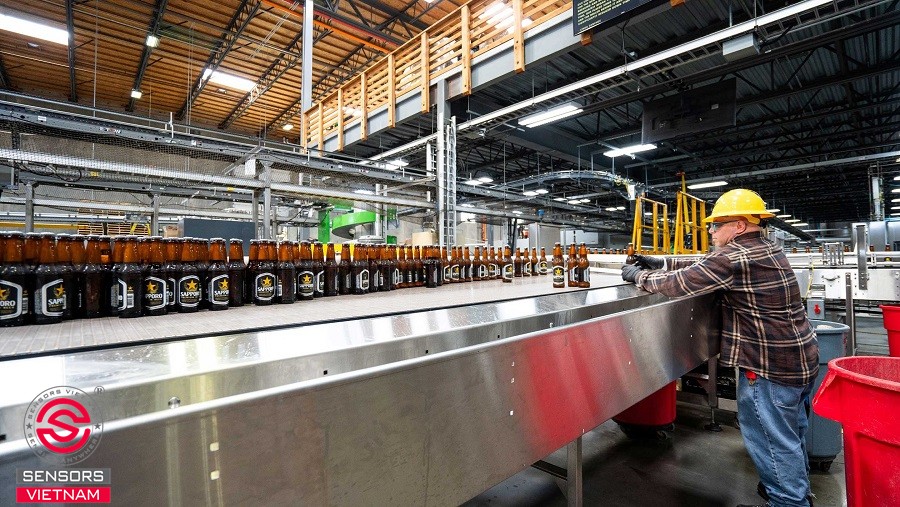
In the beer brewing industry, CO2 is not merely a by-product generated during fermentation; it is a critical factor that directly determines carbonation level, flavor profile, freshness, and overall stability of the final product. So how can breweries control CO2 accurately and continuously while still optimizing operational costs? The answer lies in CO2 concentration sensors - a device that is becoming a standard component in modern breweries. Read on to explore the details.
Why must beer breweries strictly control CO2?
In beer production facilities, CO2 concentration sensors play an essential role, specifically in the following areas:
1. Determining beer quality and carbonation level
CO2 is the core component responsible for beer’s characteristic carbonation. According to general standards, the appropriate CO2 level for most beer types ranges from 2.2-2.8 volumes.
- CO2 too low → Beer lacks carbonation, tastes flat, and becomes less appealing.
- CO2 too high → Excessive foaming, uncomfortable mouthfeel, and potential risk of bottle bursting.
Even minor deviations can significantly impact final product quality.
2. Direct impact on aroma and flavor
CO2 helps preserve volatile aroma compounds in beer. When CO2 concentration is low or unstable, oxidation accelerates, resulting in:
- Loss of characteristic aroma
- Development of unwanted sour notes
- Reduced product freshness
- Therefore, continuous monitoring is essential to maintain consistent quality across production batches.
3. Accurate monitoring of the fermentation process
During fermentation, yeast converts sugars into alcohol and generates CO2. The amount of CO2 produced is a key indicator of fermentation progress. If CO2 levels decrease rapidly or stop unexpectedly, this may signal a process abnormality requiring immediate intervention.
CO2 sensors enable real-time monitoring of fermentation status instead of relying on manual estimation.
 4. Compliance with occupational safety regulations
CO2 is non-toxic at low concentrations; however, exceeding permissible exposure limits poses health risks. According to occupational safety standards, the maximum allowable exposure is 5000 ppm over an 8-hour period. If this threshold is exceeded, workers may experience headaches, dizziness, reduced concentration, or even loss of consciousness.
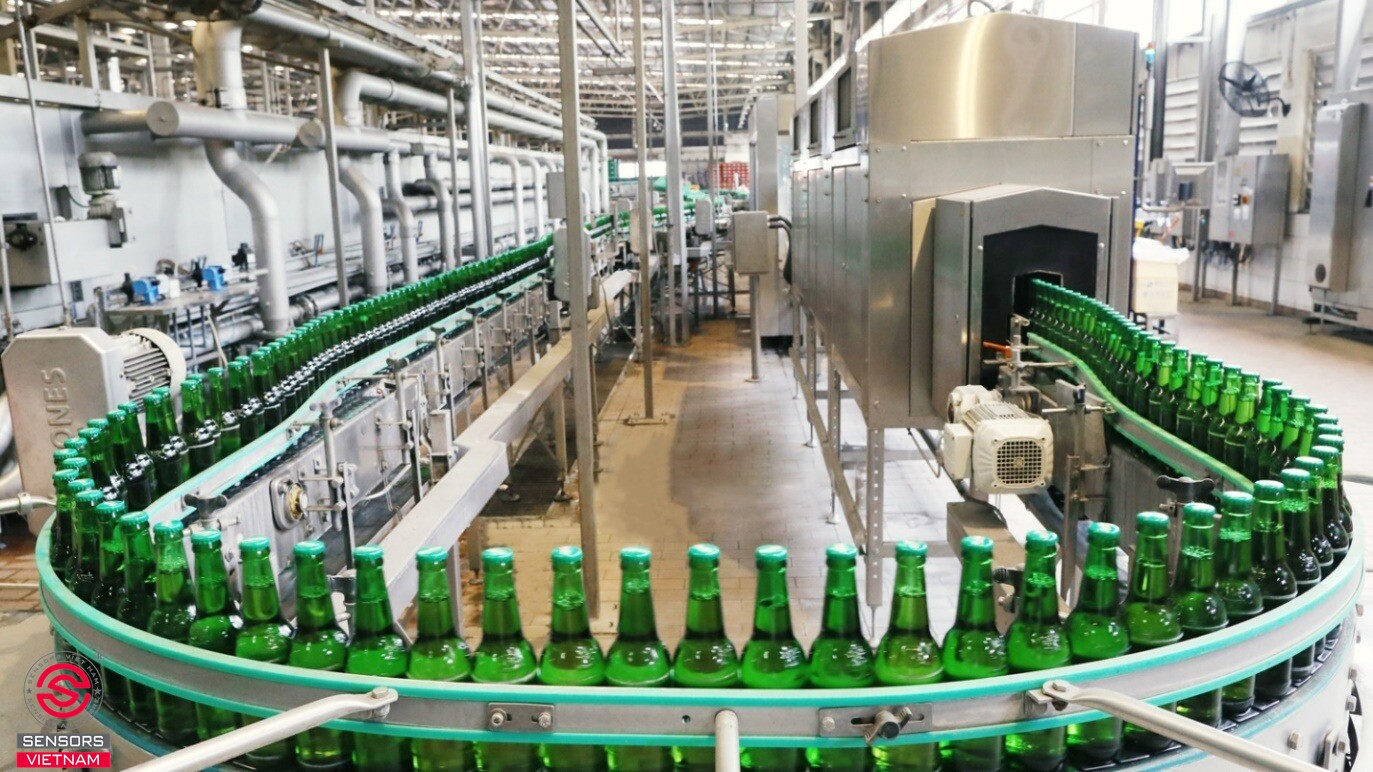
In enclosed areas such as fermentation rooms or filling stations, installing a CO2 monitoring system is mandatory to ensure worker safety.
5. Production cost optimization
CO2 represents a significant operational cost in brewing. Without proper monitoring, breweries may encounter:
- Excessive CO2 injection
- Gas losses during operation
- With a continuous monitoring system, facilities can:
- Precisely regulate CO2 levels
- Automate carbonation control
- Reduce reliance on manual on/off operation
Notably, many modern breweries recover and reuse CO2 generated during fermentation when purity reaches 99.98% or higher, resulting in annual CO2 cost savings of 20-30%.
 Guidelines for selecting CO2 sensors for breweries
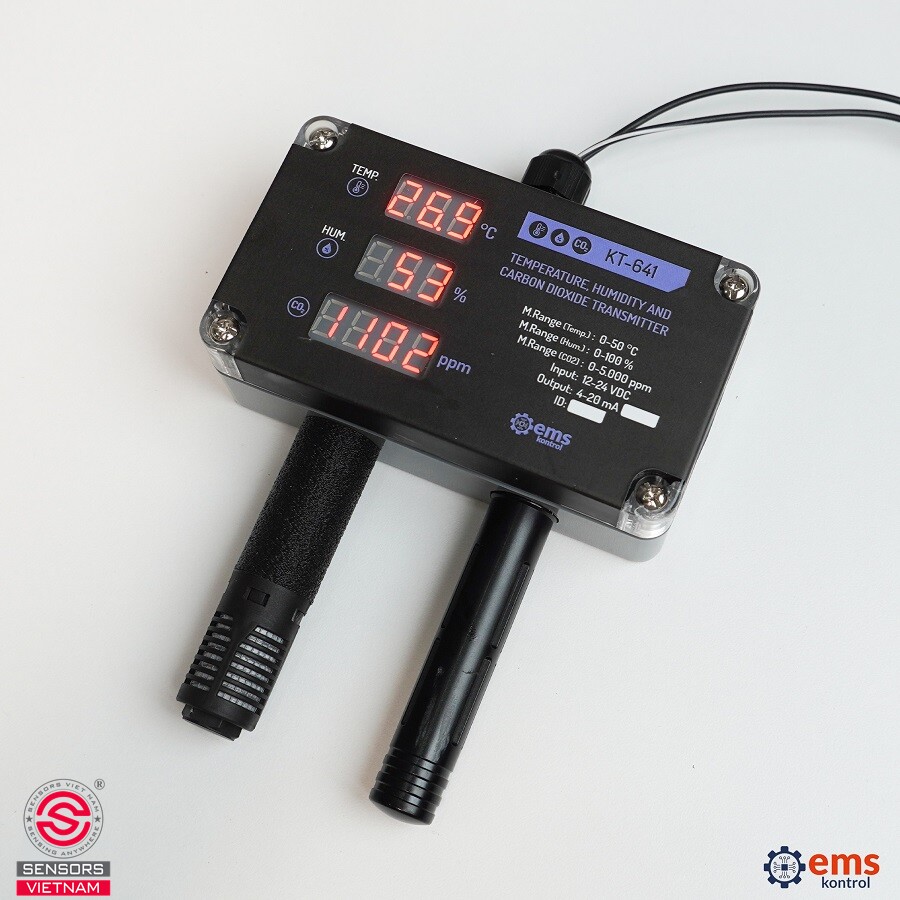
To ensure suitability for industrial environments, the following specifications should be considered when selecting a CO2 sensor:
- Measurement range: 0-2000 ppm or 0-10,000 ppm, depending on brewery scale and beer type.
- Fast response time: Recommended < 30 seconds for early detection of abnormal changes.
- Protection rating: Minimum IP65; if high-pressure washdown cleaning is applied → IP67 is recommended to ensure dust and water resistance.
- Output signals: Analog 4-20 mA / 0-10 V, Modbus RTU RS-485, or Relay output for seamless integration with PLC/SCADA systems or automatic ventilation and alarm activation.
- Operating temperature range: -20°C to 50°C, suitable for both cold storage areas and high-temperature production zones.
- Measurement technology: NDIR (Non-dispersive infrared) is preferred due to high accuracy, minimal interference, low signal drift, long service life, and automatic calibration capability to maintain long-term measurement accuracy without frequent manual adjustment.
 Important considerations when installing CO2 sensors in breweries
1. Installation position:
- CO2 is heavier than air and tends to accumulate near the floor.
- Ideal mounting height: 30-60 cm above floor level.
- Avoid installation at 1.5 m height or near the ceiling.
- Choose easily accessible locations for maintenance and servicing.
2. Avoid airflow sources and dead zones
- Do not install sensors near ventilation fans, air conditioning outlets, doors, or windows.
- Strong airflow may dilute CO2 concentration and cause falsely low readings.
- Avoid dead zones where air circulation is limited.
3. Minimize moisture exposure
- Position the sensor’s gas diffusion inlet downward.
- Do not install near water pipelines.
- Avoid areas with high leakage risk.
- If frequent high-pressure washdown cleaning is performed, use IP67-rated sensors or apply appropriate protective shielding.
4. Installation density planning
- Typically, a CO2 sensor has an effective coverage radius of approximately 5-7 meters.
- Determine the number of sensors based on room size, prioritizing critical areas such as CO2 pumping stations, filling lines, fermentation tanks, and beer storage rooms.
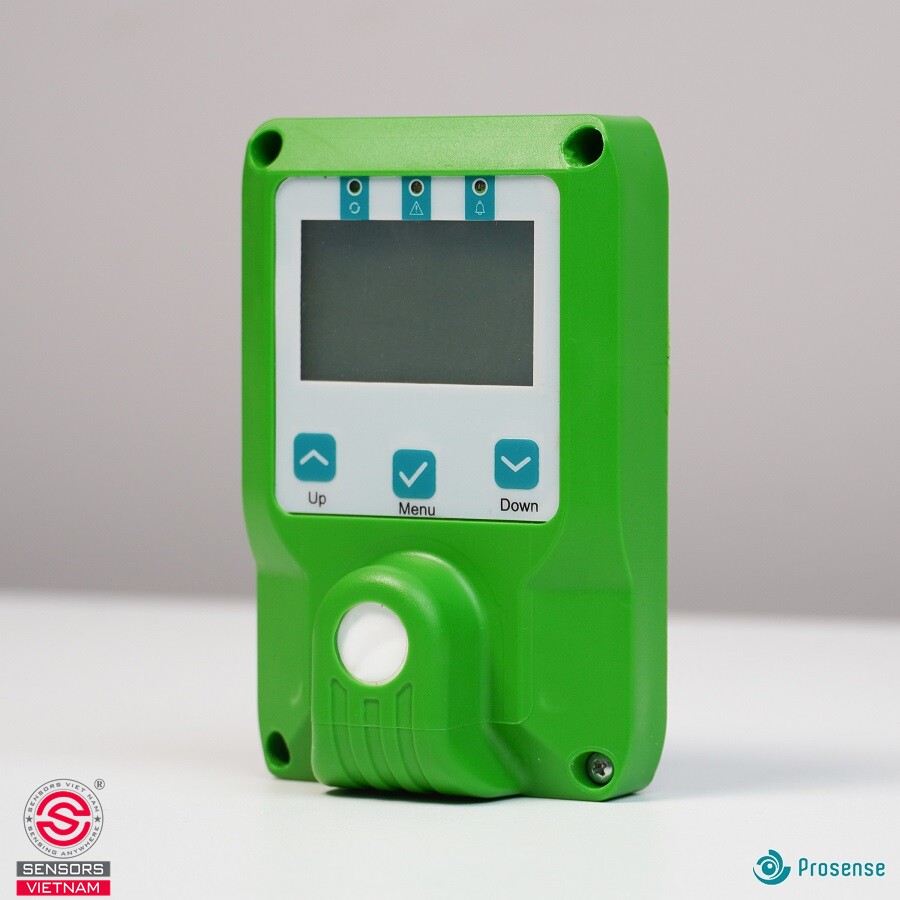 In modern breweries, CO2 concentration sensors not only ensure stable beer quality but also enhance worker safety and optimize operational costs. Selecting the appropriate device, installing it correctly, and integrating it effectively into the control system will help breweries establish a safe, efficient, and professional production process.
Hot news


SENSORS VIETNAM CO., LTD
VAT CODE: 0313 355 473
Head Office: 03rd Floor, Indochina Tower, 04 Nguyen Dinh Chieu, Tan Dinh Ward, Ho Chi Minh City, Vietnam.
HCM Branch: 92/14/9A Vuon Lai Str., An Phu Dong Ward, Ho Chi Minh City, Vietnam.
Hanoi Branch: S106 Tower, Vinhomes Smart City, Tay Mo Ward, Hanoi City, Vietnam.

® Registered trademark – National Office of Intellectual Property Vietnam
OUR SERVICES
Specializing in the import and distribution of industrial sensors.
Sensors for HVAC/R systems and building automation applications.
Supplying gauges, transmitters, switches, controllers, PLCs, HMIs, and gas detectors.
Providing integrated consulting services for sensor and controller systems.


CONTACT US
Email: sales(at)sensors.vn
Hotline: +84 0911 660 660
Asia Commercial Bank Account (ACB):
VND: 357 246 888 | USD: 1357 246 888
Support Online ZALO Official Account
(From 8:00 am to 5:00 pm)





SENSORS VIETNAM CO., LTD
- Specialized in the import and distribution of sensors and controllers.
- Integrated data acquisition systems and industrial communication solutions.
- Design and installation of smart home systems and industrial equipment.
- Stack lights, signal beacons, LED warning horns, and RGB warning lights.