Industrial sensors are specialized devices designed to detect, measure, and convert physical parameters such as temperature, pressure, force, motion, liquid level, and gas concentration into standardized electrical signals that control systems can process.
WHAT IS AN INDUSTRIAL SENSOR?
An industrial sensor is a device engineered to detect, measure, and convert physical variables (temperature, pressure, force, motion, liquid level, gas concentration, etc.) into standardized output signals such as 4-20 mA, 0-10 V, NPN/PNP, Modbus, or Ethernet/IP. These signals are used by PLC, SCADA, BMS, or robotic systems in industrial environments.
Industrial sensors are specifically built to withstand harsh conditions, including high temperatures, vibration, dust, oil, and chemicals, while maintaining reliable performance in continuous 24/7 operation without significant loss of accuracy.
WHY ARE INDUSTRIAL SENSORS IMPORTANT?
In modern factories and automation systems, sensors act as the “sensory organs” of the entire control system. Instead of relying on manual observation, sensors provide continuous, real-time monitoring.
Sensor data enables PLCs and control systems to make critical decisions automatically, such as shutting down equipment during overheating, increasing pump pressure when flow drops, adding materials into reactors, triggering alarms when hazardous gases are detected, or stopping motors when vibration exceeds safe thresholds. As a result, factories achieve higher precision, reduced operational errors, improved safety, and significantly lower maintenance costs.
 COMMON TYPES OF INDUSTRIAL SENSORS
In practice, thousands of sensor types exist, but most industrial systems rely on a core group of essential sensors.
1. Temperature sensors
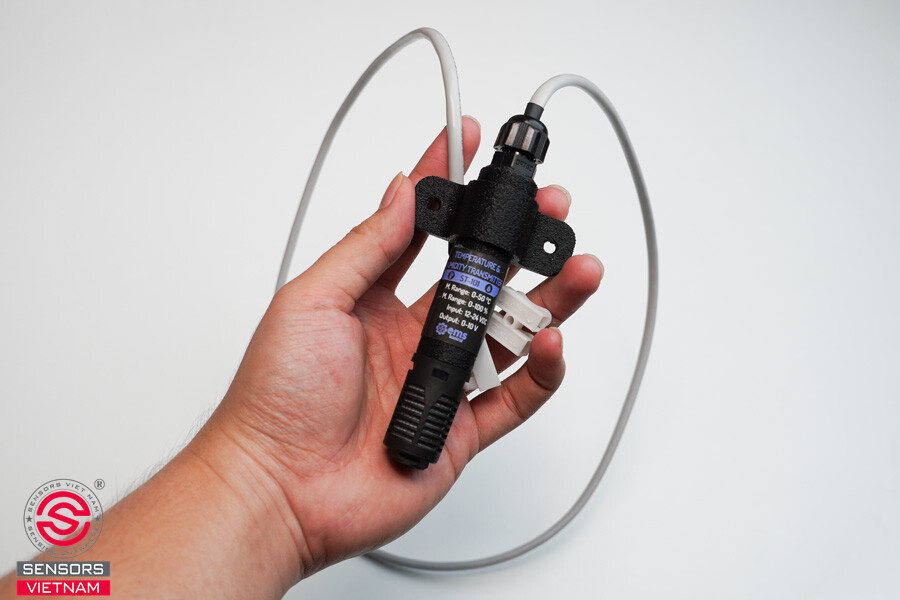
Temperature sensors measure the temperature of surfaces, liquids, gases, or ambient environments and are among the most widely used sensors in industry.
Operate based on the Seebeck effect. When two dissimilar metals are joined and exposed to different temperatures, they generate a voltage proportional to the temperature difference. They offer a wide measurement range (up to over 1,700°C depending on type), robust construction, and low cost, but moderate accuracy (±1-2°C).
- RTD Sensors (Pt100/Pt1000)
Based on the linear resistance change of platinum with temperature. They provide higher accuracy (±0.1-0.3°C) and excellent long-term stability, with a typical range of -200°C to +850°C.
- Thermistors and Infrared (IR) Sensors
Thermistors (NTC/PTC) offer high sensitivity in narrow ranges. IR sensors measure temperature without contact by detecting thermal radiation, making them ideal for moving objects or hazardous environments.
Applications: boilers, furnaces, HVAC systems, chillers, oil pumps, large motors, food processing lines, pharmaceutical sterilization, cold storage.
 2. Pressure sensors
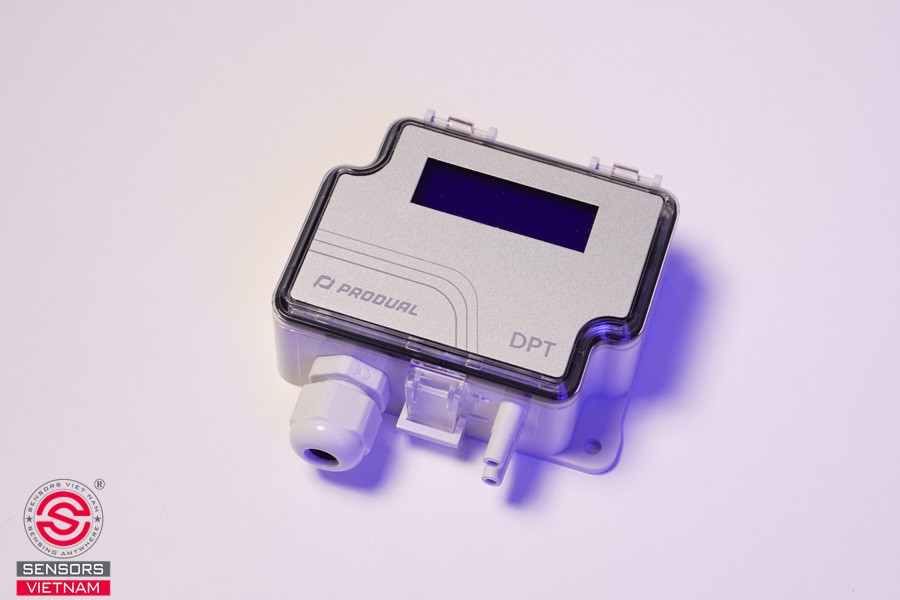
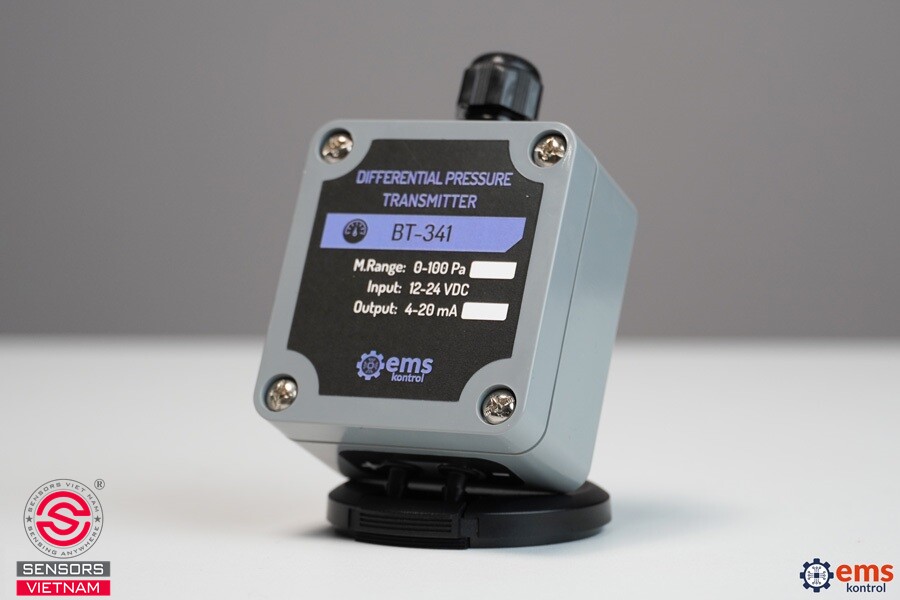
Pressure sensors measure the pressure of liquids or gases in pipelines, tanks, compressors, and hydraulic or pneumatic systems.
Most sensors use a diaphragm that deforms under pressure, combined with strain gauges or piezoelectric elements to convert mechanical deformation into electrical signals.
- Absolute pressure
- Gauge pressure
- Differential pressure (used in filtration, steam traps, and indirect flow measurement)
Applications: compressed air systems, hydraulics, industrial compressors, boilers, HVAC, water supply, wastewater systems.
 3. Proximity Sensors
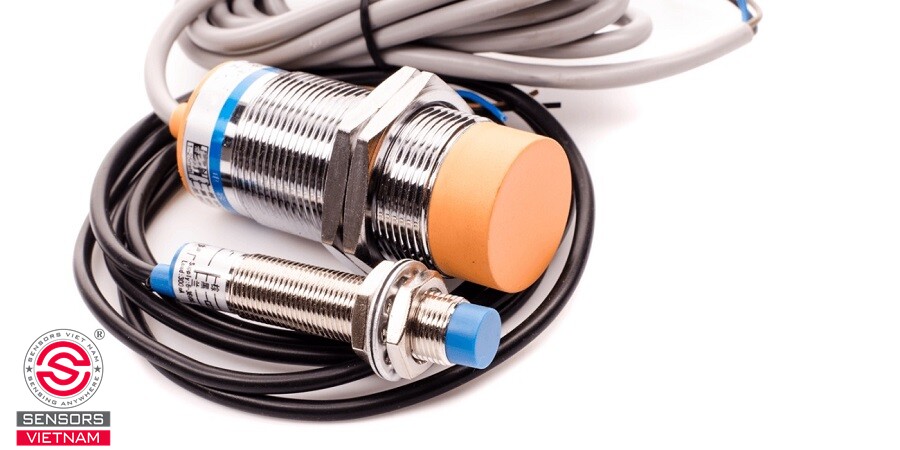
Proximity sensors detect the presence or position of objects without physical contact. They are widely used in conveyors, CNC machines, stamping systems, robots, and automated doors.
- Inductive sensors detect metallic objects using electromagnetic fields and eddy currents. They are highly durable and resistant to dust, moisture, and oil.
- Capacitive sensors detect both metallic and non-metallic materials such as plastics, liquids, powders, and glass, even through non-conductive container walls.
Applications: product counting, cylinder position detection, object detection, level sensing in silos.
 4. Photoelectric Sensors
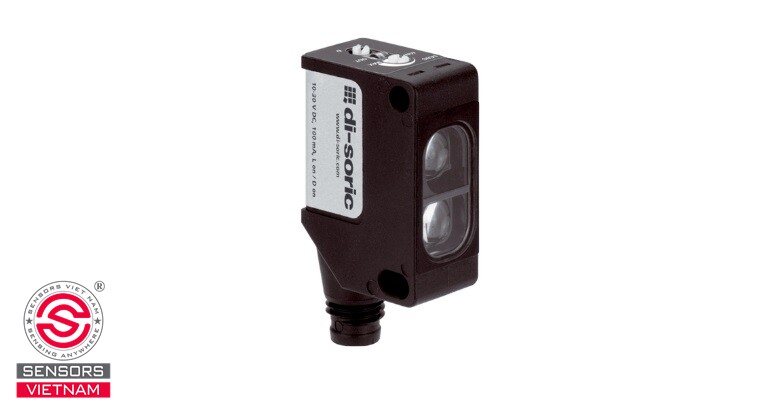
Photoelectric sensors use light (infrared, laser, or visible LED) to detect objects, distance, or surface characteristics.
- Through-beam (separate transmitter and receiver)
- Retro-reflective (uses a reflector)
- Diffuse (detects reflected light from objects)
- They offer detection ranges from millimeters to tens of meters.
Applications: product counting and sorting, packaging inspection, object detection, automatic doors, elevator systems, safety zones in robotics.
5. Level Sensors
Level sensors measure the level of liquids, powders, or bulk materials in tanks, vessels, or silos.
- Capacitive level sensors
- Hydrostatic (submersible pressure) sensors
- Ultrasonic sensors (non-contact)
- Radar sensors (microwave-based, suitable for harsh environments)
Applications: water tanks, wastewater systems, chemical tanks, biogas systems, cement silos, grain storage.
6. Flow Sensors
Flow sensors measure the velocity or volume of liquids and gases in pipelines for process control and energy management.
- Turbine flowmeters (mechanical, cost-effective)
- Electromagnetic flowmeters (for conductive fluids)
- Ultrasonic flowmeters (non-invasive clamp-on)
- Coriolis flowmeters (high-precision mass flow measurement)
Applications: water treatment plants, thermal power plants, industrial gas systems, cooling systems, and chillers.
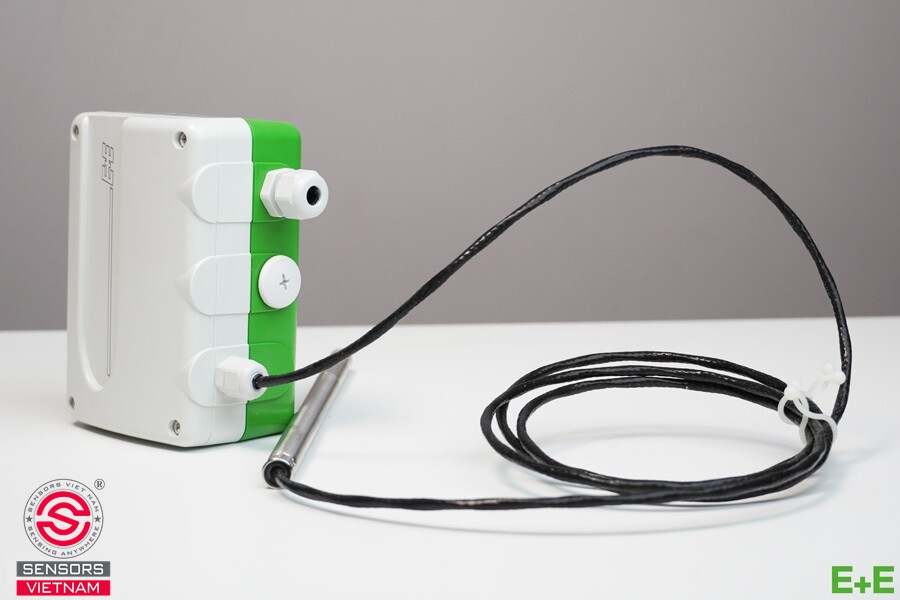 7. Vibration sensors
Vibration sensors measure acceleration, velocity, or displacement in rotating and reciprocating machinery, playing a key role in predictive maintenance. Most commonly, accelerometers use piezoelectric or MEMS technology. When vibration occurs, inertial forces generate electrical signals proportional to acceleration.
By analyzing frequency spectra, engineers can detect early signs of bearing wear, rotor imbalance, misalignment, loose bolts, or gear damage before unplanned downtime occurs.
8. Gas sensors
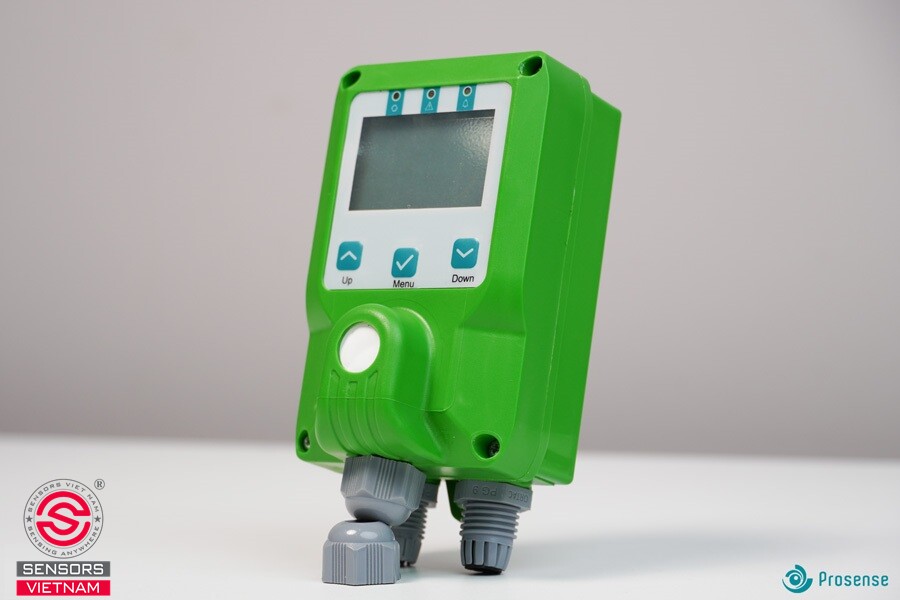
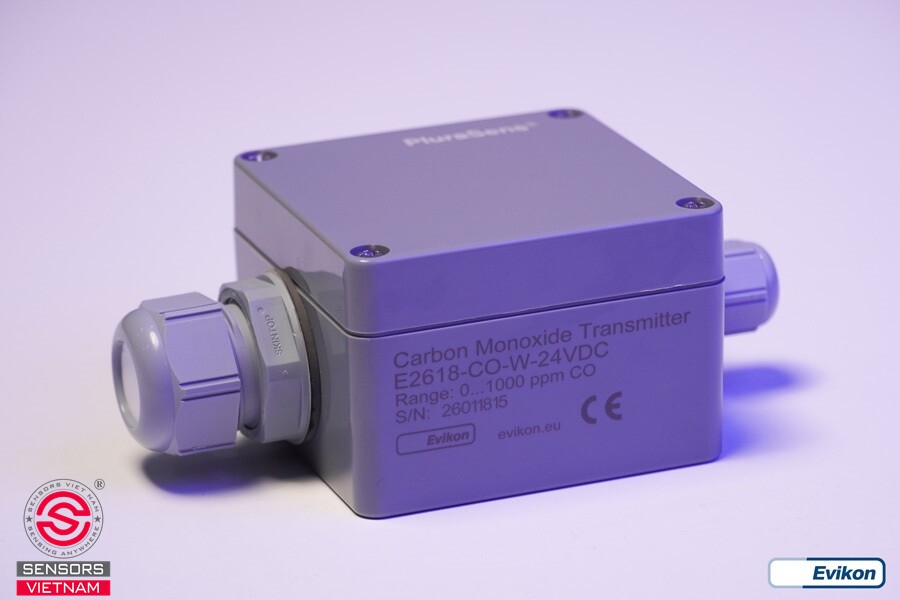
Gas sensors measure the concentration of gases in the air, from CO2 affecting indoor air quality to CO, CH4, H2S, and volatile solvents related to safety and health.
- NDIR CO2 sensors use infrared absorption at 4.26 µm based on the Beer-Lambert law, offering high accuracy and long-term stability, widely used in HVAC and demand-controlled ventilation (DCV).
- Electrochemical CO sensors generate current through redox reactions, providing fast response times for parking garages, tunnels, and industrial environments.
- Other sensors detect CH4, O2, VOCs, and corrosive gases for explosion safety, environmental monitoring, and specialized manufacturing processes.
Applications: offices, schools, hospitals, fire detection systems, underground parking, server rooms, emission treatment systems, cleanrooms, and industrial gas storage.
 HOW TO CHOOSE THE RIGHT INDUSTRIAL SENSOR
Selecting the wrong sensor is a leading cause of system failure and financial loss. Key criteria include:
- Measured variable: temperature, pressure, level, flow, vibration, gas, etc.
- Measurement range and accuracy: must cover full operating conditions, including extremes
- Environmental conditions: temperature, humidity, chemicals, vibration, IP rating, ATEX/IECEx requirements
- Output signal: 4-20 mA, 0-10 V, digital outputs, or industrial communication protocols
- Installation method: threaded, flanged, non-contact, DIN-rail, clamp-on, etc.
 Industrial sensors are not only measurement devices; they are the data foundation of modern automation and smart monitoring systems. From temperature and pressure sensors to proximity, optical, level, flow, vibration, and gas sensors, each type has unique operating principles, technical characteristics, and optimal applications. Understanding sensor principles and selection criteria enables engineers to design more efficient systems, operators to perform timely maintenance, and businesses to optimize lifecycle costs.