





CUSTOMER SERVICE
www.sensors.vn
Admin@sensors.vn
www.cambien.com.vn
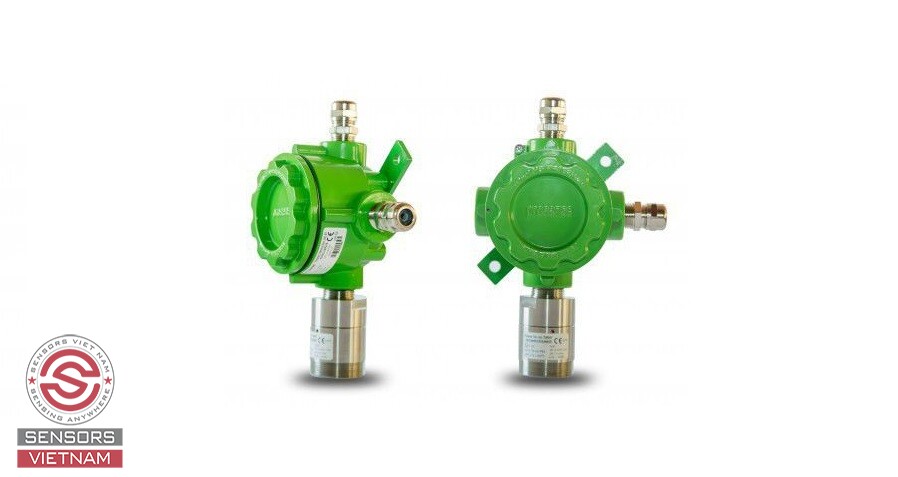
CARBON MONOXIDE DETECTOR
Date 30/Sep/2023 at 11:31 AM - View: 10616

What is carbon monoxide?
Carbon monoxide gas (CO gas) is a simple molecule: one part carbon and one part oxygen. Carbon monoxide comes when carbon fuel—like wood, gasoline, coal, propane, natural gas, and heating oil—fails to burn completely (incomplete combustion).
These energy sources aren’t dangerous when you burn them in an open area with plenty of ventilation. But carbon monoxide is hazardous in confined spaces—like basements, kitchens, garages, or campers.
Carbon monoxide is hard to detect without a sensor, which is one of the reasons it’s so dangerous.
Sources of carbon monoxide gas
There are several common sources of carbon monoxide gas:
Fuel-burning appliances like heating systems or water heaters
Consumer products like grills
Engine-driven tools like generators
 Why is carbon monoxide dangerous?
Carbon monoxide is deadly because it binds with your red blood cells and starves your body of oxygen after passing into your lungs.
These are the early symptoms of carbon monoxide poisoning:
Headache
Nausea
Vomiting
Dizziness
Shortness of breath
Fatigue
Perhaps most troubling is the similarity to cold or flu-like symptoms that are easy to ignore—shortness of breath, nausea, and mild headaches. Disorientation and unconsciousness can occur when levels of carbon monoxide reach 150 parts per million (ppm).2 Eventually, the symptoms turn lethal without treatment.
How can I prevent carbon monoxide poisoning?
Carbon monoxide poisoning is a serious risk, but fortunately, it’s preventable. Stop CO sources and be prepared.
Here are five carbon monoxide safety tips for avoiding exposure, including installing CO sensors throughout your home:
Never heat your home with a gas range. Gas stoves produce carbon monoxide and can fill your home with dangerous gas.
Don’t run your car in the garage. Pull out of the garage first if you want to warm up your vehicle in the winter. Carbon monoxide is a common byproduct of vehicle exhaust and builds up quickly in a closed (or even open) garage.
Always have proper ventilation. It’s extremely dangerous to run gas-powered tools (like generators, space heaters, and pressure washers) in an enclosed area like a basement or garage without adequate ventilation.
Practice cooking safety while camping. You should enjoy the wilderness safely. Don’t use a charcoal grill, hibachi, or camping stove inside your home, tent, or camper. Besides, open flames and fabric tents don’t tend to get along.
Install a carbon monoxide detector. The best carbon monoxide detectors are affordable, easy to install, and can save your life. We recommend installing one on every level of your home, near each bedroom and garage, to test the air quality.
Carbon monoxide (CO) is a colorless, odorless gas which at high levels can cause serious illness and death. CO alarms are widely available and should be considered a back-up to BUT NOT A REPLACEMENT for proper installation, use, and maintenance of fuel-burning appliances. CO alarms are designed to warn you of any unusual build-up of CO in your home. These higher levels of CO may occur from improperly maintained, installed or used fuel-burning appliances, backdrafting appliances or fireplaces, or idling cars in garages. If a CO alarm is to be installed:
Make sure the device is certified to the most current Underwriters Laboratory (UL) standard 2034 or the International Approval Services (IAS) 6-96 standard.
Install a CO alarm in the hallway near every separate sleeping area.
Be aware of all instructions and warnings associated with the CO alarm.
Hot news




SENSORS VIETNAM CO., LTD
VAT CODE: 0313 355 473
Head Office: 03rd Floor, Indochina Tower, 04 Nguyen Dinh Chieu, Tan Dinh Ward, Ho Chi Minh City, Vietnam.
HCM Branch: 92/14/9A Vuon Lai Str., An Phu Dong Ward, Ho Chi Minh City, Vietnam.
Hanoi Branch: S106 Tower, Vinhomes Smart City, Tay Mo Ward, Hanoi City, Vietnam.

® Registered trademark – National Office of Intellectual Property Vietnam
OUR SERVICES
Specializing in the import and distribution of industrial sensors.
Sensors for HVAC/R systems and building automation applications.
Supplying gauges, transmitters, switches, controllers, PLCs, HMIs, and gas detectors.
Providing integrated consulting services for sensor and controller systems.


CONTACT US
Email: sales(at)sensors.vn
Hotline: +84 0911 660 660
Asia Commercial Bank Account (ACB):
VND: 357 246 888 | USD: 1357 246 888
Support Online ZALO Official Account
(From 8:00 am to 5:00 pm)





SENSORS VIETNAM CO., LTD
- Specialized in the import and distribution of sensors and controllers.
- Integrated data acquisition systems and industrial communication solutions.
- Design and installation of smart home systems and industrial equipment.
- Stack lights, signal beacons, LED warning horns, and RGB warning lights.