





CUSTOMER SERVICE
www.sensors.vn
Admin@sensors.vn
www.cambien.com.vn
CARBON MONOXIDE DETECTOR
Date 23/Oct/2025 at 04:05 PM - View: 142
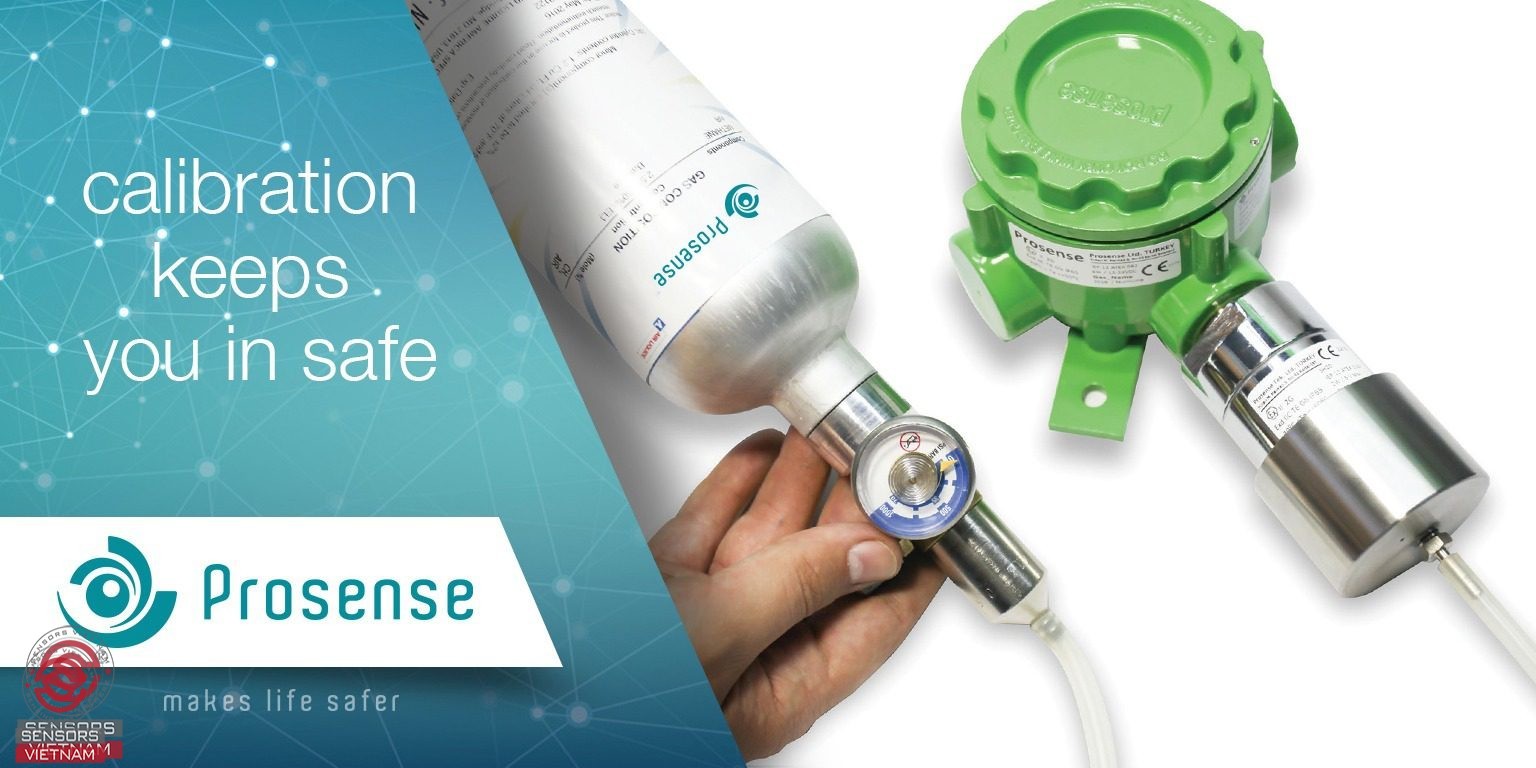
Carbon monoxide (CO) is a colorless, odorless, and tasteless gas that can be extremely dangerous and even fatal at high concentrations. It is produced by the incomplete combustion of carbon-containing fuels such as coal, wood, charcoal, oil, kerosene, propane, and natural gas.
What is a CO Sensor?
A CO sensor, also known as a carbon monoxide detector, is a device designed to detect the presence of carbon monoxide in the air. It measures CO concentration and alerts users when the gas level reaches a dangerous threshold, helping prevent poisoning and ensure indoor safety.
Working Principle of a CO Sensor
A carbon monoxide sensor (CO sensor) detects and measures the concentration of CO gas in the environment. Two main sensing technologies are widely used today — Metal Oxide Semiconductor (MOS) and Electrochemical (EC) — each offering distinct working principles, advantages, and applications.
Metal Oxide Semiconductor (MOS) CO Sensor
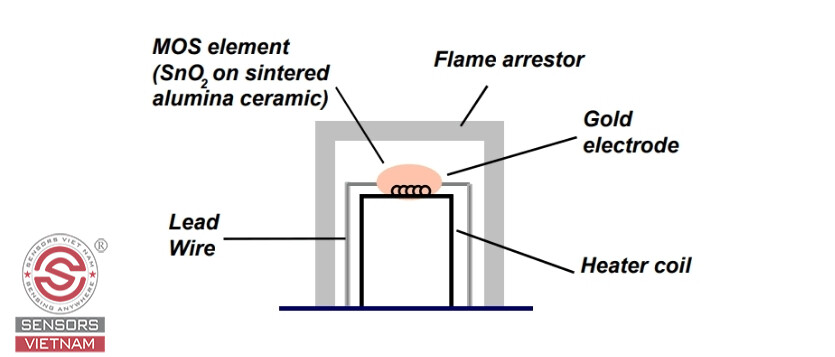
The MOS-type CO sensor operates based on changes in the electrical conductivity of a metal oxide layer when exposed to CO gas. The sensing element is typically made of tin dioxide (SnO₂) deposited on a ceramic substrate and heated by a built-in heater coil to enhance sensitivity.
When CO gas enters the sensor chamber, an oxidation reaction occurs on the metal oxide surface, altering the electron density and thus changing the resistance of the sensing element. This resistance change is directly proportional to the CO concentration. The electrical signal is then amplified, processed, and converted into a measurement output or alarm signal.
Electrochemical (EC) CO Sensor
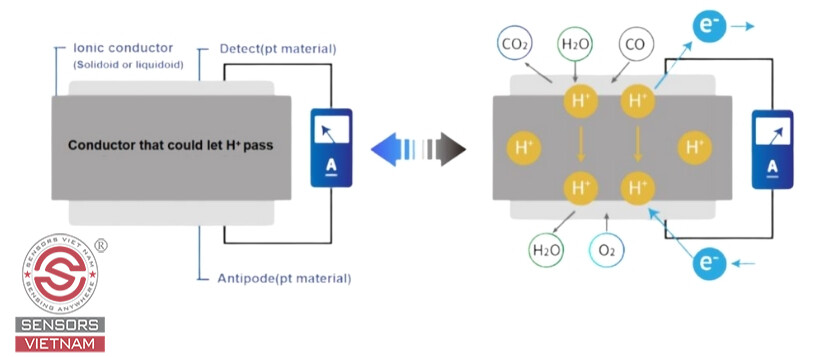
The electrochemical CO sensor detects carbon monoxide through a redox reaction between CO and the sensor’s electrodes. Inside the sensor are two or three electrodes immersed in an electrolyte, allowing oxidation and reduction reactions to occur.
When CO contacts the working electrode, it is oxidized to CO₂, releasing electrons. These electrons flow through the electrolyte to the counter electrode, generating an electrical current proportional to the CO concentration. The signal is processed and displayed as a CO level or used to trigger alarms when exceeding safety limits.
Applications of CO sensors
Residential and commercial buildings
CO sensors are essential for ensuring the safety of occupants in homes, apartments, hotels, and offices. They are often installed near potential sources of carbon monoxide, such as gas furnaces, water heaters, fireplaces, and attached garages. In the event of a CO leak, the sensors will trigger an alarm to alert occupants and prompt them to take immediate action.
Industrial and manufacturing facilities
CO sensors play an important role in industrial environments for detecting and monitoring carbon monoxide concentrations. They are used in areas where carbon monoxide can be generated as a byproduct of combustion, such as in power plants, chemical manufacturing plants, and oil refineries. CO sensors help ensure worker safety and allow for timely intervention if CO concentrations rise above acceptable limits.
Vehicle emissions monitoring
CO sensors are essential in monitoring vehicle emissions, especially in enclosed spaces such as tunnels, parking garages, and auto repair facilities. They help detect and control carbon monoxide levels to maintain a safe environment for both workers and the public.
Firefighting and emergency response
CO sensors are used by firefighters and emergency responders to monitor CO exposure during rescue and firefighting operations. These sensors detect the presence of carbon monoxide, which can be produced by incomplete combustion or structural damage, ensuring the safety of personnel in hazardous environments.
HVAC and ventilation systems
CO sensors are integrated into heating, ventilation, and air conditioning (HVAC) systems to ensure optimal indoor air quality and energy efficiency. By monitoring CO levels, these sensors enable demand-controlled ventilation, adjusting the amount of fresh air intake based on occupancy and CO levels to maintain a healthy and safe indoor environment.
Laboratories and research facilities
CO sensors are used in laboratories and research facilities where carbon monoxide may be used or produced as part of an experiment or industrial process. These sensors help maintain a safe working environment by promptly detecting any leaks or abnormal CO concentrations.
Sensors Vietnam is a leading importer and distributor of industrial sensors and equipment in Vietnam. For inquiries or quotations on CO gas sensors, please contact Sensors Vietnam for expert consultation.
E2630-CO-230-A –Carbon Monoxide Sensor EVIKON
Measurement range: 0–200 ppm CO
Output: Relay 1: 25 ppm, Relay 2: 125 ppm (adjustable upon request)
Protection rating: IP65
Sensor lifetime: >10 years
Power supply: 220 VAC
E2630-CO-24-A – Carbon Monoxide Sensor EVIKON
Measurement range: 0–200 ppm CO
Output: Relay 1: 25 ppm, Relay 2: 125 ppm (adjustable upon request)
Protection rating: IP65
Sensor lifetime: >10 years
Power supply: 24 VDC
E2610-CO-230-A – CO Sensor for Basement Applications EVIKON
Measurement range: 0–200 ppm CO
Output: Relay 1: 25 ppm, Relay 2: 125 ppm (adjustable upon request)
Protection rating: IP20
Sensor lifetime: >10 years
Power supply: 220 VAC
E2610-CO-24-A – CO Sensor for Basement Applications EVIKON
Measurement range: 0–200 ppm CO
Output: Relay 1: 25 ppm, Relay 2: 125 ppm (adjustable upon request)
Protection rating: IP20
Sensor lifetime: >10 years
Power supply: 24 VDC
For more information: https://cambien.com.vn/cam-bien-khi-co
Hot news


SENSORS VIETNAM CO., LTD
VAT CODE: 0313 355 473
Head Office: 03rd Floor, Indochina Tower, 04 Nguyen Dinh Chieu, Tan Dinh Ward, Ho Chi Minh City, Vietnam.
HCM Branch: 92/14/9A Vuon Lai Str., An Phu Dong Ward, Ho Chi Minh City, Vietnam.
Hanoi Branch: S106 Tower, Vinhomes Smart City, Tay Mo Ward, Hanoi City, Vietnam.

® Registered trademark – National Office of Intellectual Property Vietnam
OUR SERVICES
Specializing in the import and distribution of industrial sensors.
Sensors for HVAC/R systems and building automation applications.
Supplying gauges, transmitters, switches, controllers, PLCs, HMIs, and gas detectors.
Providing integrated consulting services for sensor and controller systems.


CONTACT US
Email: sales(at)sensors.vn
Hotline: +84 0911 660 660
Asia Commercial Bank Account (ACB):
VND: 357 246 888 | USD: 1357 246 888
Support Online ZALO Official Account
(From 8:00 am to 5:00 pm)





SENSORS VIETNAM CO., LTD
- Specialized in the import and distribution of sensors and controllers.
- Integrated data acquisition systems and industrial communication solutions.
- Design and installation of smart home systems and industrial equipment.
- Stack lights, signal beacons, LED warning horns, and RGB warning lights.