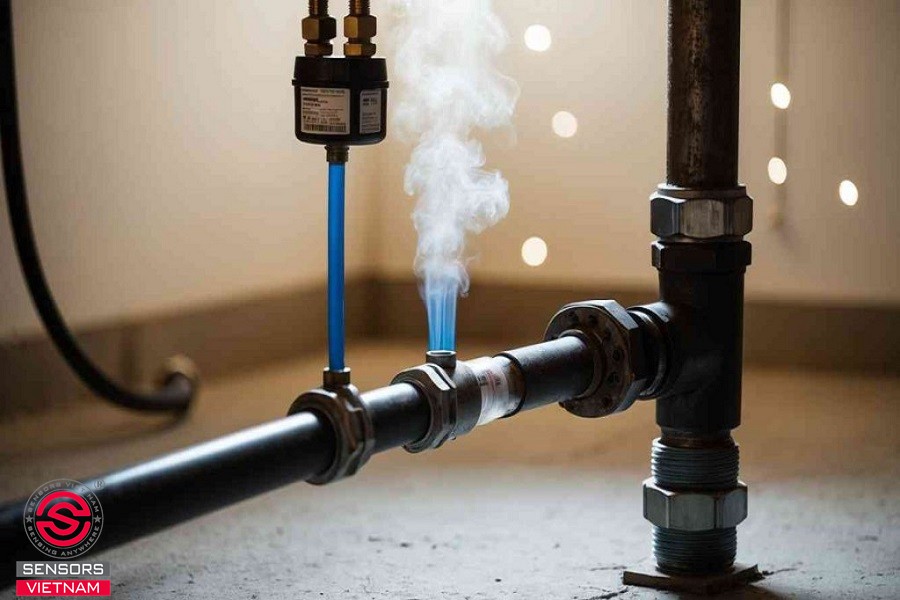
The gas leak detector market today is highly diversified, ranging from low-cost residential devices to industrial-grade systems certified for hazardous and explosion-proof environments. However, not every product is suitable for your specific application.
In this article, Sensors Vietnam summarizes the key technical criteria to help you select the right detector - the right sensing technology - and the right safety standard for your project.
What is a gas sensor?
A gas leak detector is a device designed to detect and measure gas concentrations in ambient air, providing early warning against poisoning, fire, explosion, or operational hazards.
The device operates continuously, 24/7. When gas concentration exceeds the preset threshold, the system performs the following actions:
- Activate local alarms (LED indicators and/or audible buzzer).
- Transmit signals to PLC, BMS, SCADA, or Fire Alarm/Fire Fighting (FA/FF) systems.
- Automatically shut off gas valves, activate ventilation fans, or disconnect power supply.
Currently, four main sensing technologies are widely used in the market:
- Semiconductor (MOS) gas sensors
- Electrochemical gas sensors
- Non-Dispersive Infrared (NDIR) gas sensors
- Catalytic bead gas sensors
Gas detection applications are extensive, ranging from residential kitchen gas monitoring and indoor air quality supervision in buildings, to manufacturing plants, gas storage facilities, fuel stations, industrial zones, and integrated automation systems ensuring occupational and environmental safety.
 10 Key criteria for selecting a high-quality gas sensor
1. Identify the target gas
CO, CO2, NH3, CH4, H2S, ... - each gas requires a specific sensing technology. Selecting a detector designed for the target gas ensures measurement accuracy and extends sensor lifespan.
2. Choose the Appropriate Sensing Principle
The four primary sensing technologies include semiconductor, electrochemical, infrared, and catalytic.
Typical recommendations:
- High-stability industrial applications → prioritize NDIR or electrochemical
- Combustible gas detection in %LEL → use catalytic bead
- Cost-sensitive applications → consider semiconductor
3. Measurement range and safety standards
The detector must support appropriate measurement ranges and configurable alarm thresholds. Common units include: ppm, %Vol, %LEL. Proper range selection enables early leak detection, minimizes false alarms, and ensures compliance with industry safety standards.
 4. Accuracy and long-term stability
A high-quality gas detector should feature low measurement error (typically ±50 ppm + 2%). More importantly, readings must remain stable over time without sensor drift. Devices with automatic calibration features such as ABC Logic are recommended to reduce maintenance costs.
5. Fast response time
Response time should be under 30 seconds, and only a few seconds for residential safety devices. In gas safety applications, response speed directly impacts risk mitigation and damage control.
6. Durability and protection rating
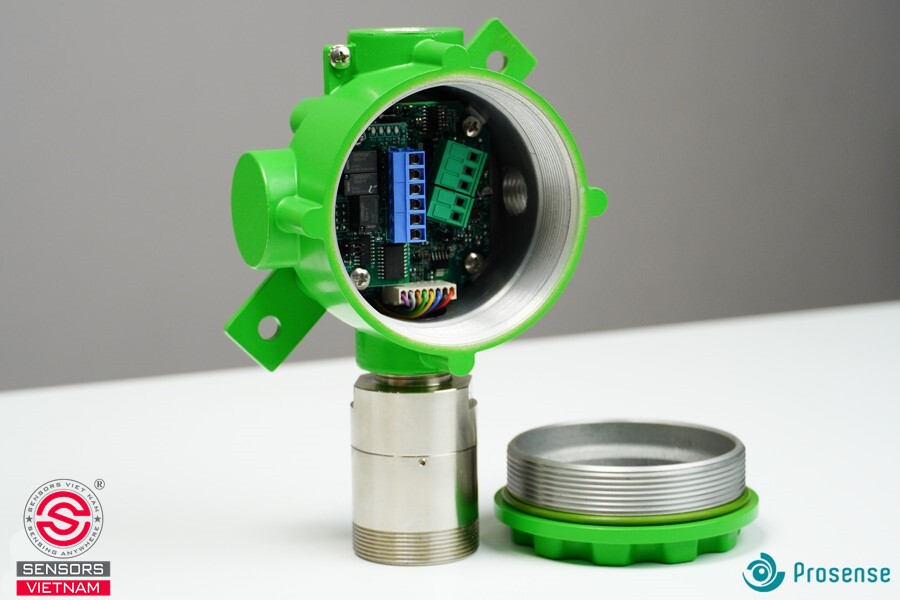
For industrial environments, detectors should meet: IP65 to IP67 protection rating (dustproof and water-resistant, high resistance to temperature and humidity) and have minimum lifespan of 5 years. Although the initial investment may be higher, long-term maintenance and replacement costs are significantly reduced.
7. Standard Output Signals
The detector should support standard outputs compatible with both residential and industrial systems, such as: analog 0-10V, 4-20mA, Modbus RTU RS485 and relay alarm outputs. These interfaces ensure seamless integration with PLC, BMS, SCADA, and HVAC systems.
8. Certifications and international standards
For hazardous or explosive environments, detectors must comply with recognized certifications, including: ATEX, IECEx, CE, ISO. In addition, complete CO/CQ documentation is essential to verify product origin and quality.
9. Brand reputation and origin
Always select products from reputable manufacturers with transparent technical documentation, detailed specifications, and reliable warranty policies. Avoid devices with unclear origin, as they may pose operational and safety risks.
10. Technical support from the supplier
A professional supplier should provide:
- Consultation for selecting the appropriate model
- System integration guidance
- Installation and initial configuration support
- Calibration and maintenance instructions
Even a high-quality device can become a liability without proper technical support.
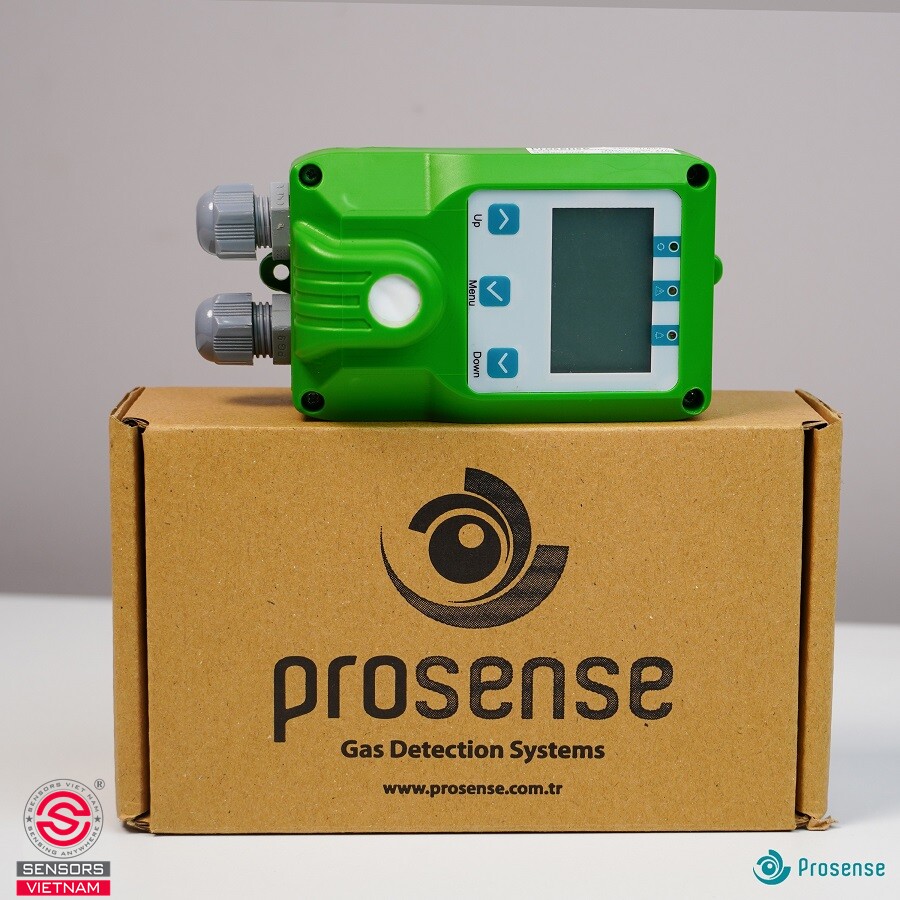 Sensors Vietnam - Leading gas sensor distributor in Vietnam
Sensors Vietnam is one of the leading and reputable distributors of gas leak detection systems in the Vietnamese market. We are committed to:
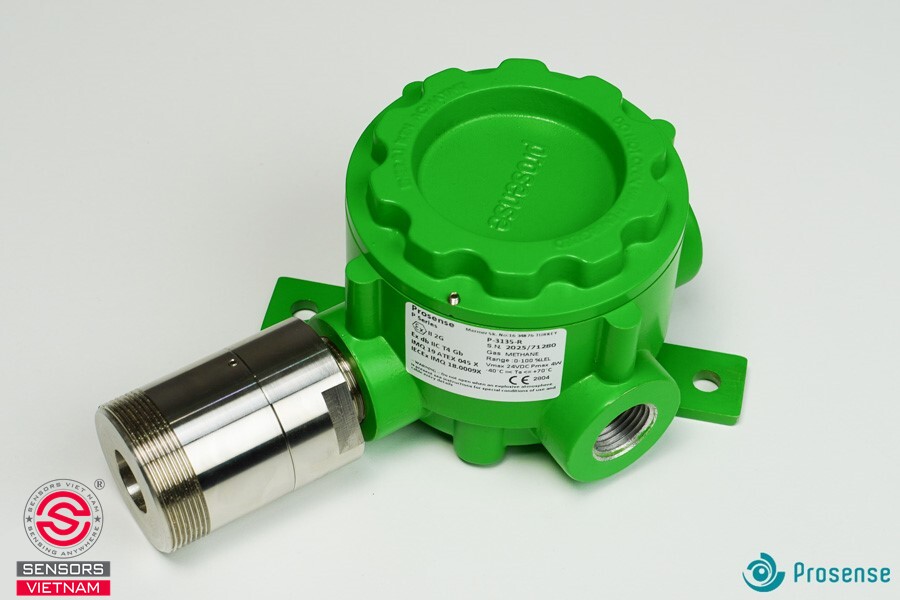
- Supplying genuine products from top international brands such as Prosense
- Providing full CO/CQ documentation
- Offering competitive pricing policies for enterprises and bulk orders
- Delivering reliable warranty policies, including 1-to-1 replacement when necessary
- Providing professional consultation, system integration solutions, and initial commissioning support
Selecting a gas leak detector is not merely choosing a measurement device. It is selecting a long-term safety solution for people, assets, and the entire operational system. If you require in-depth technical consultation and assistance in choosing the right model for your application, contact Sensors Vietnam for prompt and professional support.
For reference: Gas sensor