






CUSTOMER SERVICE
www.sensors.vn
Admin@sensors.vn
www.cambien.com.vn
DEW POINT SENSOR
Date 16/Mar/2026 at 11:16 AM - View: 58

Excess moisture in compressed air pipelines not only causes metal corrosion but is also one of the leading factors that damage pneumatic control equipment. To address this issue, installing a dew point sensor is essential, as it allows precise monitoring of the temperature at which water vapor begins to condense into liquid droplets.
So, what is a dew point sensor, why should it be installed, how does it work, and how is it applied in HVAC systems? The answers are explained in the article below.
What is dew point?
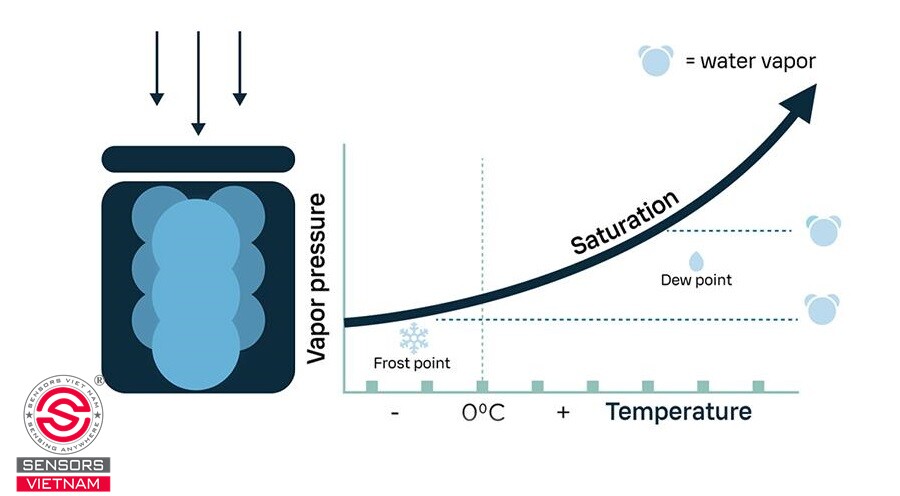
Dew point (dew point temperature) is the temperature at which water vapor in the air begins to change from a gaseous state to a liquid state when the air is cooled at constant pressure.
When the surface temperature of equipment falls below the dew point temperature of the surrounding environment, moisture begins to condense and form water droplets. This phenomenon can cause serious problems in HVAC and industrial systems, such as:
- Corrosion of pipelines and equipment
- Reduced system efficiency
- Growth of mold and bacteria
- Damage to building materials and structural components
For this reason, monitoring the dew point has become an important requirement in many modern technical systems to prevent condensation risks at an early stage.
What is a dew point sensor?
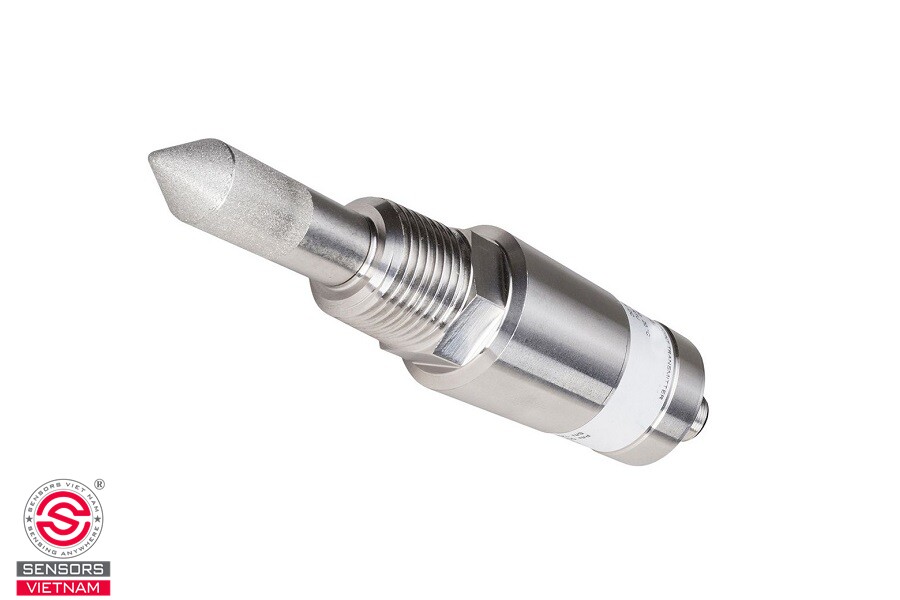
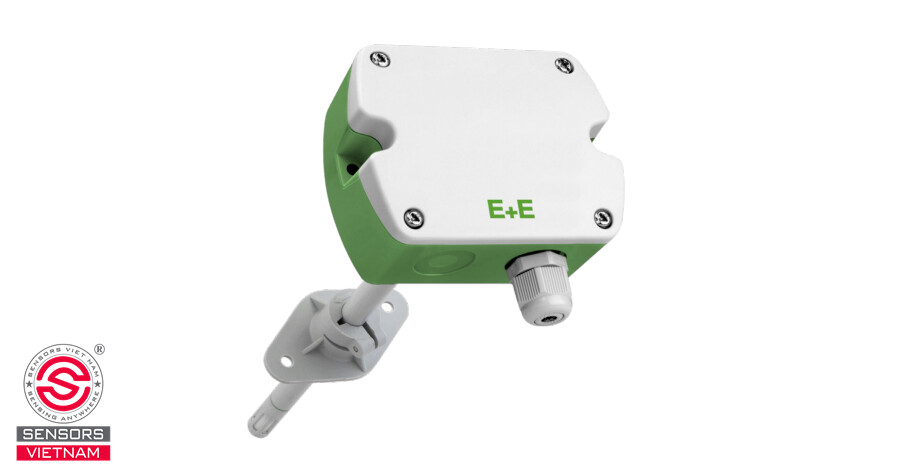
A dew point sensor is a device used to measure and monitor the dew point temperature of air or technical gases. It helps systems detect the risk of condensation before it actually occurs, allowing appropriate adjustments to be made.
In practice, dew point sensors can be installed in various locations within a system, such as:
- HVAC air ducts
- Technical rooms
- Compressed air pipelines
- Air dryers
- Equipment surfaces prone to condensation
Modern dew point sensors are typically designed to integrate directly with central control systems through common industrial signal standards such as analog outputs 4-20 mA, 0-10 V, and communication protocols like Modbus RTU.
These signal standards allow the sensors to easily connect with HVAC controllers, PLC systems, and Building Management Systems (BMS). Dew point data is continuously transmitted to the control system, enabling automatic adjustment of temperature and humidity and triggering alerts when condensation risks arise.
Working principle of dew point sensors
In essence, a dew point sensor does not measure the dew point directly. Instead, it determines the value by measuring the humidity and temperature of the environment.
The primary sensing element is typically a capacitive humidity sensor, which uses specialized polymer or ceramic materials whose dielectric properties change as the water vapor content in the air varies.
The measurement process typically follows these steps:
- The humidity sensor measures the water vapor content in the air
- The integrated temperature sensor measures the ambient temperature
- The internal signal processor calculates the dew point temperature based on thermodynamic models
This measurement method allows the sensor to provide accurate and stable dew point values across the entire measurement range.
In HVAC and industrial applications, dew point sensors are usually designed to meet demanding operating conditions, including:
- Stable operation in high-humidity environments
- Resistance to large temperature fluctuations
- Minimal measurement drift
- Long-term accuracy and reliability
For compressed air systems or industrial drying processes, many specialized sensors can measure dew point values down to -60°C Td, ensuring precise control of extremely dry air conditions.
Applications of dew point sensors
HVAC Systems
In HVAC systems, dew point sensors are used to monitor condensation risks on cold surfaces such as cooling coils, air ducts, and chilled ceilings.
Dew point data enables the system to adjust supply air temperature appropriately, control airflow, prevent water condensation, and reduce mold growth and equipment corrosion.
Commercial and residential buildings
In modern buildings such as shopping malls, hotels, high-end apartments, and office buildings, dew point sensors help prevent surface condensation on glass panels, ceilings, or cold walls, protecting building materials while maintaining the aesthetic quality of the structure.
Compressed air and industrial systems
In compressed air systems, excessive moisture can cause various issues, including:
- Pipeline corrosion
- Control valve failures
- Reduced equipment lifespan
- Negative impacts on product quality
Dew point sensors continuously monitor the dryness of compressed air, ensuring stable system operation and compliance with technical standards.
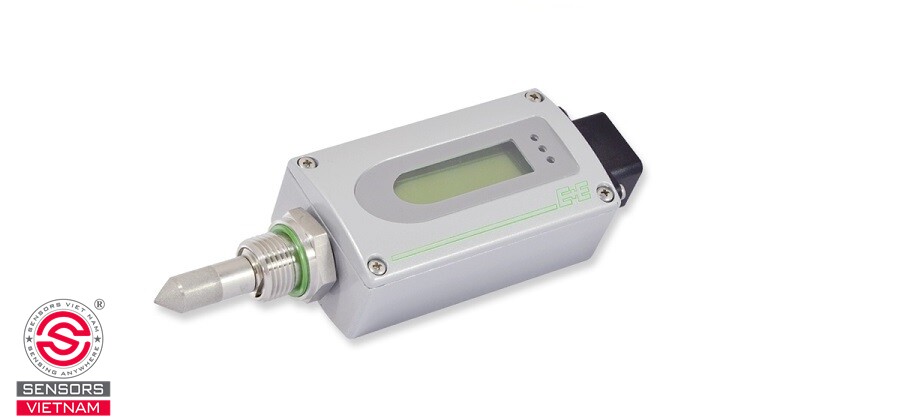
Sensors Viet Nam - Official supplier of dew point sensors in Vietnam
Sensors Viet Nam specializes in distributing genuine dew point sensors from reputable global manufacturers, meeting the technical requirements of residential HVAC systems, commercial buildings, and industrial or compressed air applications.
If you are interested in dew point sensors or need technical consultation, contact the Sensors Việt Nam team for professional support and detailed guidance.
Hot news


SENSORS VIETNAM CO., LTD
VAT CODE: 0313 355 473
Head Office: 03rd Floor, Indochina Tower, 04 Nguyen Dinh Chieu, Tan Dinh Ward, Ho Chi Minh City, Vietnam.
HCM Branch: 92/14/9A Vuon Lai Str., An Phu Dong Ward, Ho Chi Minh City, Vietnam.
Hanoi Branch: S106 Tower, Vinhomes Smart City, Tay Mo Ward, Hanoi City, Vietnam.

® Registered trademark – National Office of Intellectual Property Vietnam
OUR SERVICES
Specializing in the import and distribution of industrial sensors.
Sensors for HVAC/R systems and building automation applications.
Supplying gauges, transmitters, switches, controllers, PLCs, HMIs, and gas detectors.
Providing integrated consulting services for sensor and controller systems.


CONTACT US
Email: sales(at)sensors.vn
Hotline: +84 0911 660 660
Asia Commercial Bank Account (ACB):
VND: 357 246 888 | USD: 1357 246 888
Support Online ZALO Official Account
(From 8:00 am to 5:00 pm)





SENSORS VIETNAM CO., LTD
- Specialized in the import and distribution of sensors and controllers.
- Integrated data acquisition systems and industrial communication solutions.
- Design and installation of smart home systems and industrial equipment.
- Stack lights, signal beacons, LED warning horns, and RGB warning lights.