





CUSTOMER SERVICE
www.sensors.vn
Admin@sensors.vn
www.cambien.com.vn
FLOW SENSORS
Date 22/Oct/2025 at 11:34 AM - View: 128
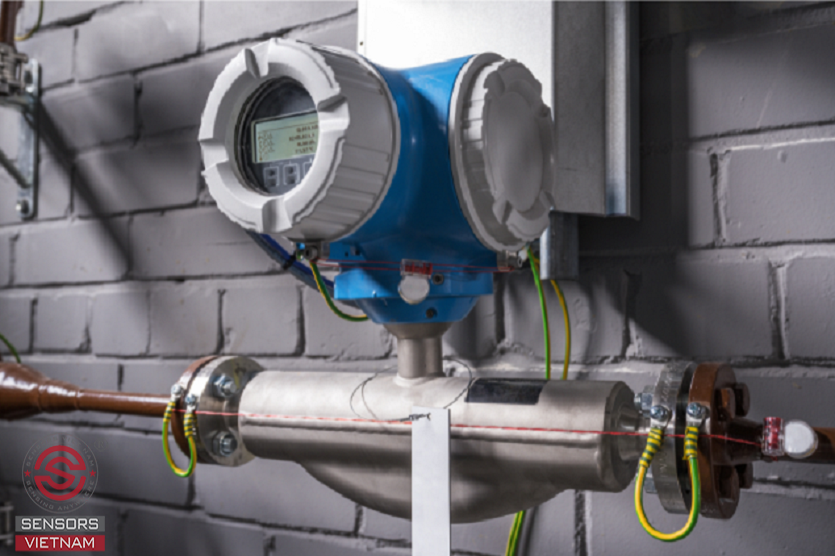
Flow sensors are essential devices used to measure the flow rate of liquids and gases in various applications, ranging from industrial processes to medical devices. These sensors play a crucial role in ensuring accurate monitoring and control of fluid dynamics, which is vital for efficiency, safety, and optimal performance in numerous systems. This comprehensive guide delves into the different types of flow sensors, their working principles, applications, advantages, and how to choose the right flow sensor for specific needs.
What is a Flow Sensor?
A flow sensor, also known as a flow meter, is a device that measures the flow rate or quantity of a gas or liquid moving through a pipe or conduit. The measurement can be expressed in terms of volume per time (e.g., liters per minute) or mass per time (e.g., kilograms per hour). Flow sensors convert the physical quantity of flow into an electrical signal that can be monitored, displayed, and recorded for various applications.
Common Types of Flow Sensors
Flow sensors (or flow meters) are classified according to their working principles and measurement technologies. Each type is designed to suit specific industrial, HVAC, water treatment, or petrochemical applications. The following are the most widely used flow sensor technologies:
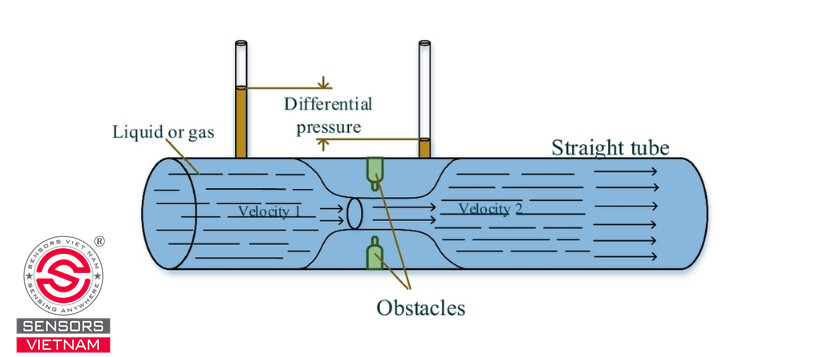
Differential Pressure Flow Sensor
These sensors measure the pressure drop across an obstruction in the flow path (such as an orifice plate, venturi tube, or flow nozzle) to determine the flow rate. The relationship between pressure drop and flow rate is governed by Bernoulli’s equation.
Widely used in industrial processes, HVAC systems, and water treatment plants.
Positive Displacement Flow Sensor
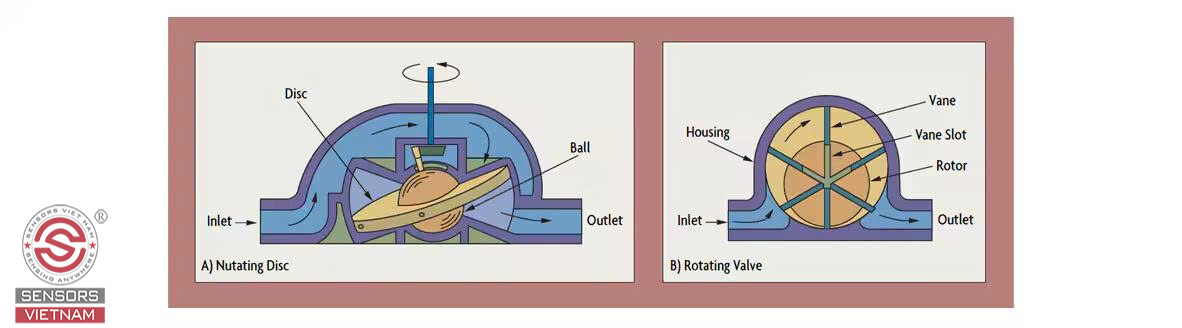
Positive displacement flow sensors measure flow by capturing a fixed volume of fluid and counting the number of times the volume is filled. Common designs include piston, gear, and rotary vane meters.
Ideal for measuring the flow of viscous fluids such as oil, fuel, and chemicals.
Turbine Flow Sensor
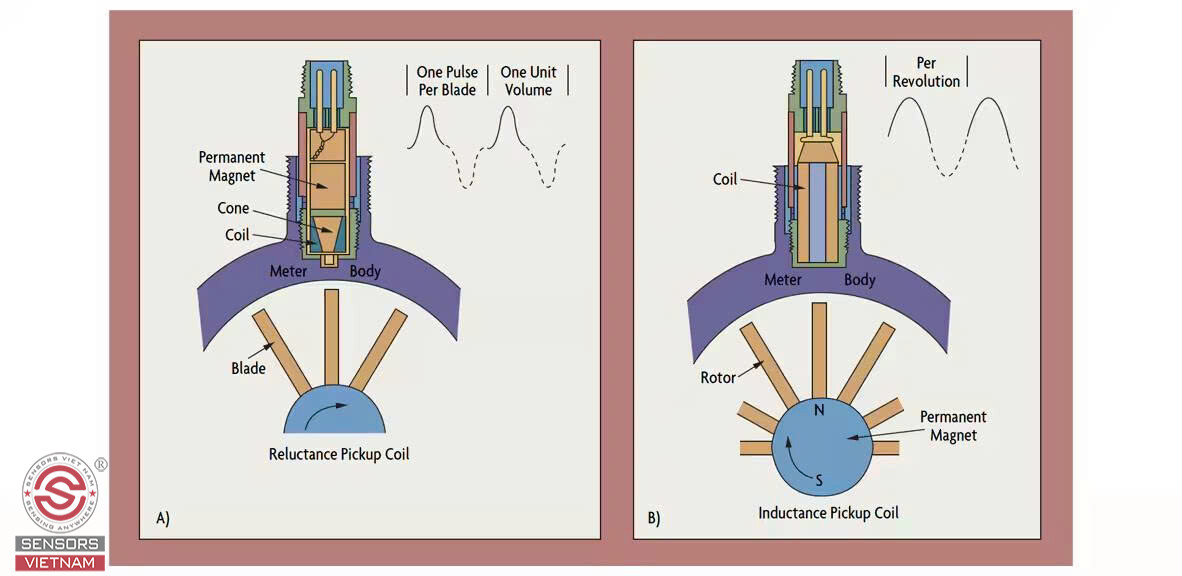
These sensors use a turbine wheel that rotates in response to the fluid flow. The rotational speed of the turbine is proportional to the flow rate and is measured by a magnetic or optical sensor.
Used in water distribution systems, fuel measurement, and HVAC applications.
Electromagnetic Flow Sensor
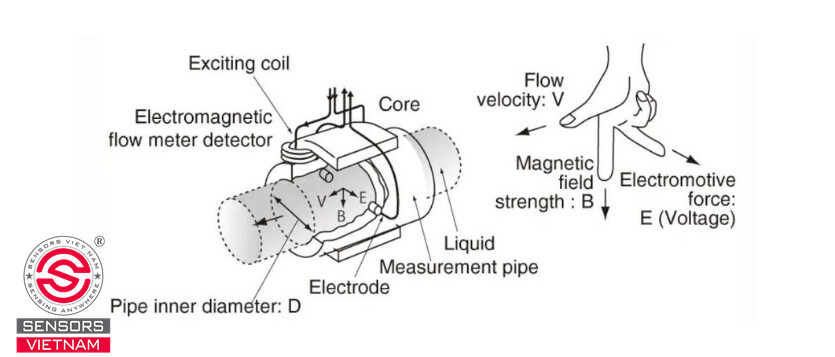
Electromagnetic flow sensors, or magmeters, operate based on Faraday’s law of electromagnetic induction. They measure the flow of conductive fluids by detecting the voltage generated when the fluid flows through a magnetic field.
Suitable for water and wastewater management, chemical processing, and food and beverage industries.
Ultrasonic Flow Sensor
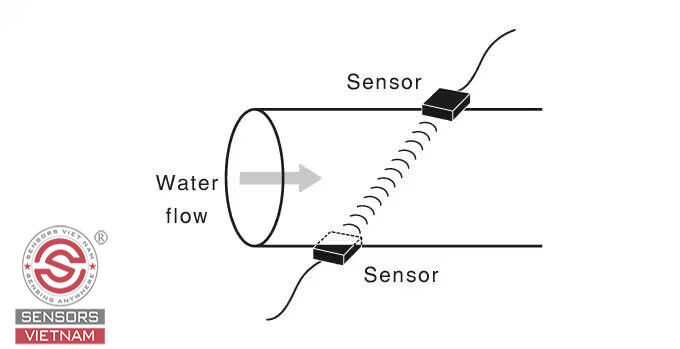
Ultrasonic flow sensors use sound waves to measure the flow rate. There are two main types: transit-time and Doppler. Transit-time sensors measure the time difference between ultrasonic pulses traveling with and against the flow, while Doppler sensors measure the frequency shift of reflected ultrasonic waves from particles or bubbles in the fluid.
Commonly used in non-invasive flow measurement, particularly in clean or partially clean liquids.
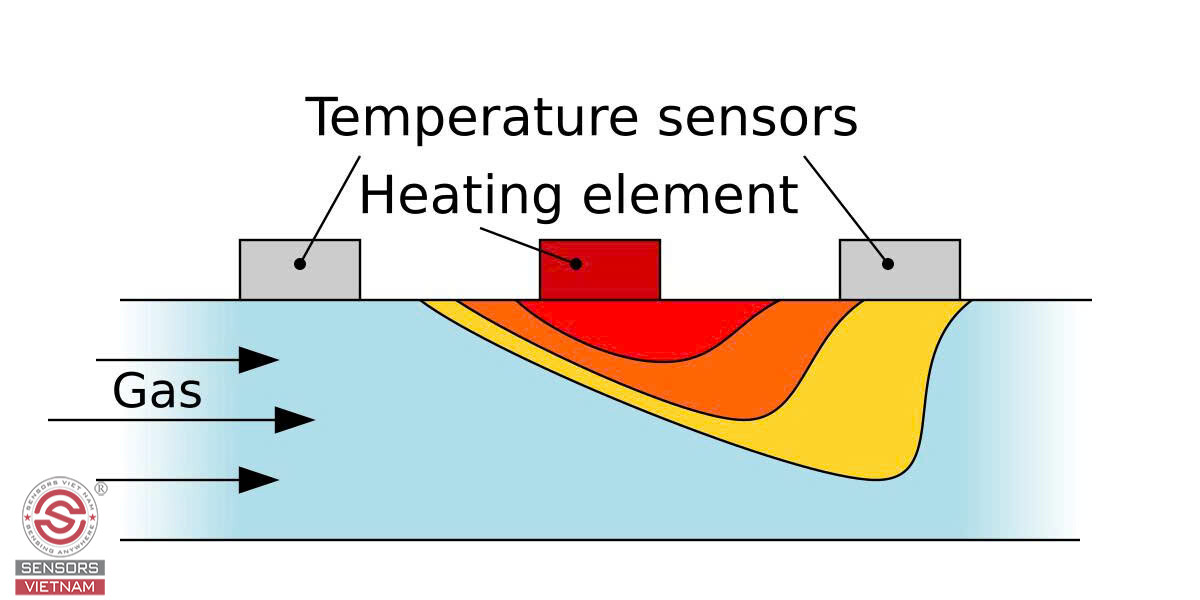
Thermal Mass Flow Sensor
These sensors measure the mass flow rate of gases by detecting the temperature change of a heated element as the gas flows over it. The rate of heat loss is proportional to the mass flow rate.
Used in applications such as HVAC systems, process gas monitoring, and semiconductor manufacturing.
Coriolis Flow Sensor
Coriolis flow sensors measure the mass flow rate by detecting the Coriolis force exerted on a vibrating tube through which the fluid flows. The deflection of the tube is proportional to the mass flow rate.
Ideal for high-precision measurement of both liquids and gases in industries such as oil and gas, pharmaceuticals, and chemical processing.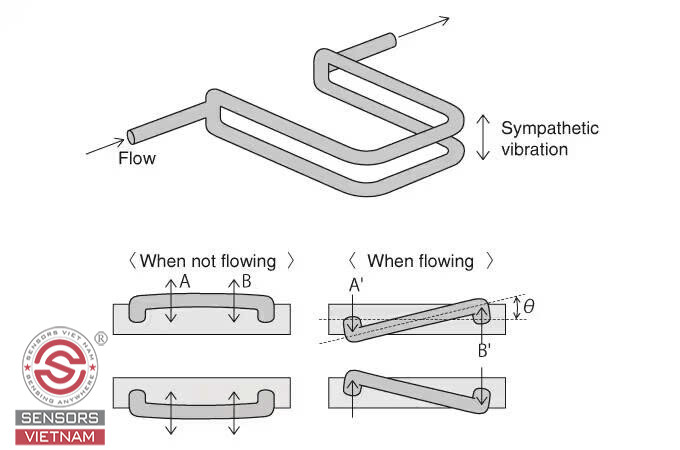
Vortex Flow Sensor
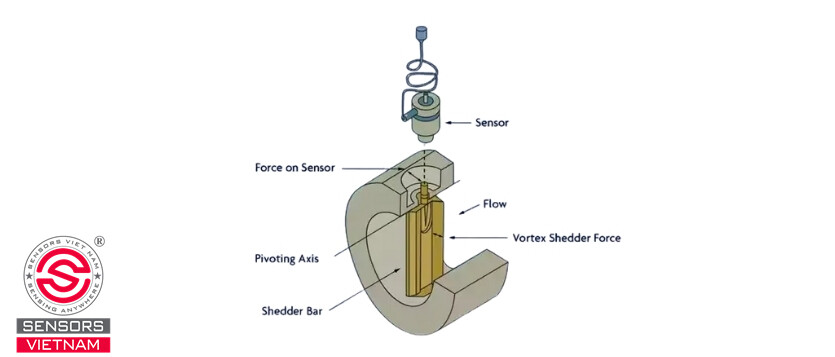
Vortex flow sensors measure the flow rate by detecting the frequency of vortices shed by a bluff body placed in the flow stream. The frequency of vortex shedding is proportional to the flow velocity.
Used in applications where the fluid is clean, such as steam, air, and water systems.
Applications of Flow Sensors
Flow sensors are used across multiple industries for accurate, continuous measurement and control of liquid or gas flow. They enable stable process operation, leak detection, energy optimization, and product quality assurance.
Industrial Processes
In chemical, petrochemical, and food & beverage industries, flow sensors ensure precise measurement of liquids or gases in mixing, reaction, or filling processes. Accurate measurement guarantees stable ratios, consistent quality, and safe operation—especially vital in hydrocarbon flow monitoring and process control.
HVAC Systems
In heating, ventilation, and air conditioning, flow sensors monitor airflow, chilled water, and refrigerant circulation. Data from the sensors helps optimize system performance, save energy, and detect blockages or leaks in ducts and piping.
Medical Equipment
In respirators, ventilators, and anesthesia machines, flow sensors ensure precise gas and medication delivery. They are also used in dialysis and infusion pumps, ensuring accurate flow rates for patient safety.
Water and Wastewater Management
Flow sensors are critical for monitoring water distribution, detecting leaks, and controlling consumption. In water treatment plants and irrigation systems, they help optimize resource allocation and reduce losses, improving overall system efficiency.
Automotive Industry
Integrated into fuel injection systems, flow sensors regulate the amount of fuel supplied to the engine for efficient combustion, lower emissions, and improved performance. They also monitor coolant flow and exhaust gases for safety and environmental compliance.
Oil and Gas Industry
Flow sensors are key components in monitoring oil, gas, and chemical flows within pipelines. Accurate data ensures safe transportation, early leak detection, and efficient refining operations, maintaining both safety and productivity.
Consumer Electronics
In smart water meters, flow sensors track real-time consumption data. They are also integrated into washing machines and dishwashers to optimize water use, save energy, and enhance user experience.
Advantages of Flow Sensors
High Accuracy and Stability
Deliver precise flow measurements over long periods, essential for critical industries such as chemical, pharmaceutical, and food & beverage production.
Real-Time Monitoring
Enable continuous flow tracking to detect blockages, leaks, or pressure changes in real time—supporting fast response and energy optimization.
Durability and Reliability
Industrial-grade flow sensors withstand high temperature, pressure, and corrosive environments, reducing maintenance costs.
Versatile Applications
Available in multiple technologies—electromagnetic, ultrasonic, Coriolis, turbine, and others—to suit diverse fluids and gases across industries.
Enhanced Safety
Early detection of abnormal flow prevents accidents, protects equipment, and ensures reliable system operation.
Sensors Vietnam is a leading importer and distributor of industrial sensors and automation equipment in Vietnam. For consultation and quotation on flow sensors, please contact Sensors Vietnam.
DPT-FLOW-7000-D-40C – Produal Airflow Sensor
Air and gas flow measurement
Range: 0–7000 Pa
Temperature: -40 to +50 °C
Output: 4–20 mA / 0–10 V
Power supply: 24 V DC
DPT-FLOW-7000-AZ-D – Produal Airflow Sensor
Air and gas flow measurement
Range: 0–7000 Pa
Output: 4–20 mA / 0–10 V with Autozero
DPT-FLOW-5000-D-40C – Produal Airflow Sensor
Air and gas flow measurement
Range: 0–5000 Pa
Temperature: -40 to +50 °C
Output: 4–20 mA / 0–10 V
Power supply: 24 V DC
AVT – Produal Air Velocity Sensor
Range: 0–20 m/s (adjustable: 0–2 m/s, 0–10 m/s, 0–20 m/s)
Temperature: 0–50 °C
Output: 4–20 mA and 0–10 V
AVT-D – Produal Air Velocity Sensor with Display
Range: 0–20 m/s (adjustable: 0–2 m/s, 0–10 m/s, 0–20 m/s)
Temperature: 0–50 °C
Output: 4–20 mA and 0–10 V
Integrated digital display
For more information: https://cambien.com.vn/cam-bien-luu-luong
Hot news


SENSORS VIETNAM CO., LTD
VAT CODE: 0313 355 473
Head Office: 03rd Floor, Indochina Tower, 04 Nguyen Dinh Chieu, Tan Dinh Ward, Ho Chi Minh City, Vietnam.
HCM Branch: 92/14/9A Vuon Lai Str., An Phu Dong Ward, Ho Chi Minh City, Vietnam.
Hanoi Branch: S106 Tower, Vinhomes Smart City, Tay Mo Ward, Hanoi City, Vietnam.

® Registered trademark – National Office of Intellectual Property Vietnam
OUR SERVICES
Specializing in the import and distribution of industrial sensors.
Sensors for HVAC/R systems and building automation applications.
Supplying gauges, transmitters, switches, controllers, PLCs, HMIs, and gas detectors.
Providing integrated consulting services for sensor and controller systems.


CONTACT US
Email: sales(at)sensors.vn
Hotline: +84 0911 660 660
Asia Commercial Bank Account (ACB):
VND: 357 246 888 | USD: 1357 246 888
Support Online ZALO Official Account
(From 8:00 am to 5:00 pm)





SENSORS VIETNAM CO., LTD
- Specialized in the import and distribution of sensors and controllers.
- Integrated data acquisition systems and industrial communication solutions.
- Design and installation of smart home systems and industrial equipment.
- Stack lights, signal beacons, LED warning horns, and RGB warning lights.