






CUSTOMER SERVICE
www.sensors.vn
Admin@sensors.vn
www.cambien.com.vn
HUMIDITY SENSOR
Date 12/Mar/2026 at 11:58 AM - View: 106
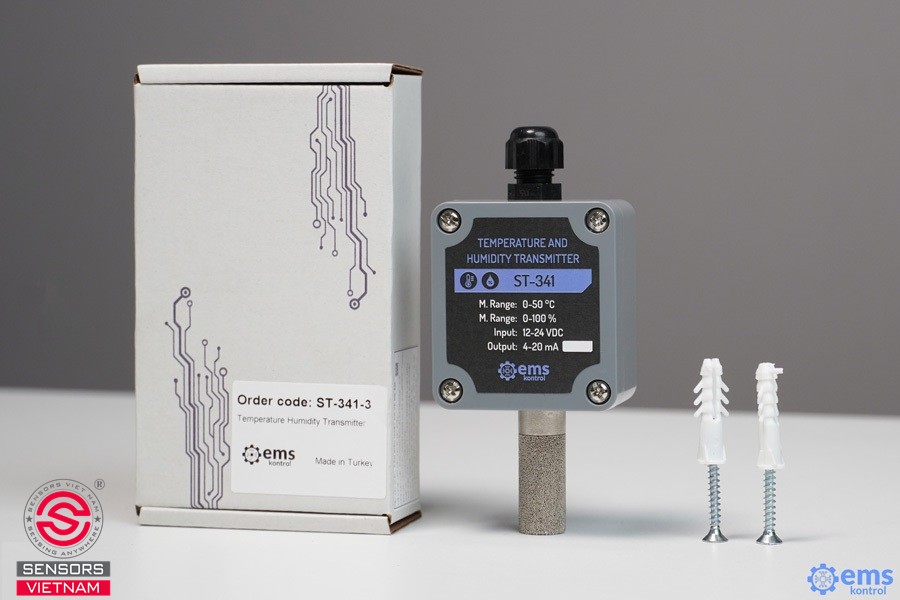
A humidity sensor plays a critical role as the “sensory system” in environmental control systems, helping maintain the ideal balance between humidity and temperature in both living spaces and demanding industrial processes. From preserving food freshness in storage facilities to controlling humidity in cleanrooms used in electronics manufacturing, this device helps prevent mold growth and protects the lifespan of equipment.
This article provides a comprehensive overview of humidity sensors, including their working principles, common types, and the most widely used humidity sensor solutions available today.
What is a humidity sensor?
A humidity sensor is an electronic device designed to measure and monitor the amount of water vapor present in the air, soil, or various materials. The sensor detects changes in humidity levels and converts them into electrical signals that can be processed by monitoring or control systems.
In most cases, humidity sensors measure either Relative Humidity (RH) or Absolute Humidity within an environment. The collected data is then transmitted to control systems, which can automatically adjust equipment such as air conditioners, dehumidifiers, humidifiers, or ventilation systems to maintain optimal environmental conditions.
The importance of humidity sensors
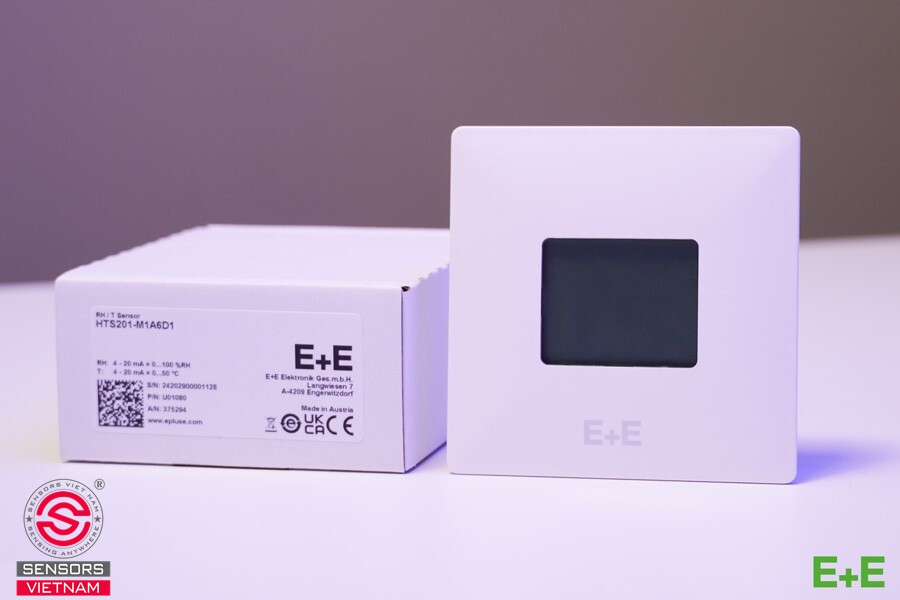
In modern HVAC systems, humidity sensors do more than simply measure moisture levels. They also help optimize energy efficiency and improve Indoor Air Quality (IAQ).
According to research conducted by the American Society of Heating, Refrigerating and Air-Conditioning Engineers (ASHRAE), properly controlling humidity can significantly reduce the energy consumption of air conditioning systems while improving occupant comfort.
Humidity control is equally important in industrial environments. For example, in the food industry, excessive humidity can encourage the growth of bacteria and mold, leading to product spoilage. On the other hand, very low humidity may cause materials such as wood, paper, or textiles to crack or deform, and it may also negatively affect worker comfort and health.
In tropical climates like Vietnam, where humidity levels can fluctuate significantly throughout the day, humidity sensors have become an essential component of modern environmental monitoring and control systems.
How does a humidity sensor work?
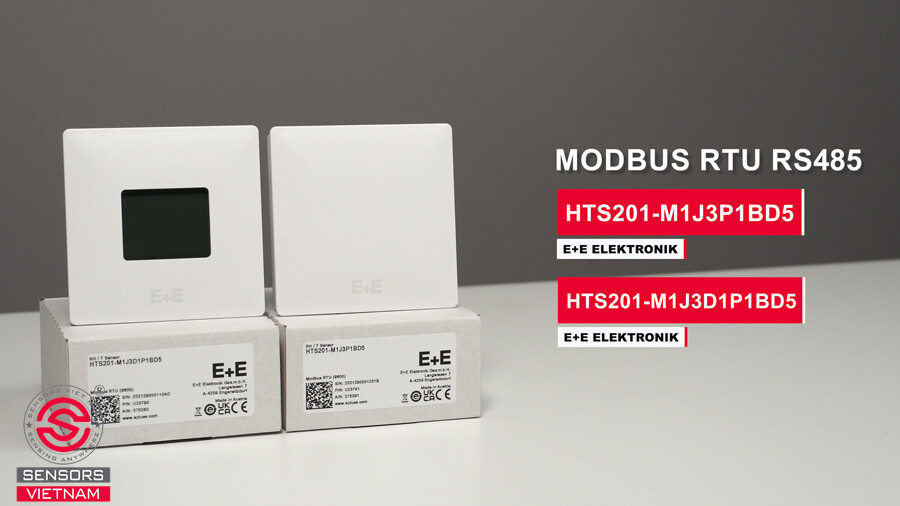
Humidity sensors operate based on changes in physical or electrical properties when exposed to varying levels of water vapor in the environment. As humidity rises or falls, parameters such as resistance, capacitance, or temperature within the sensing material change accordingly.
These changes are then converted into electrical signals that can be read and processed by monitoring or automation systems.
Today, three main humidity sensing technologies are commonly used.
Resistive humidity sensors
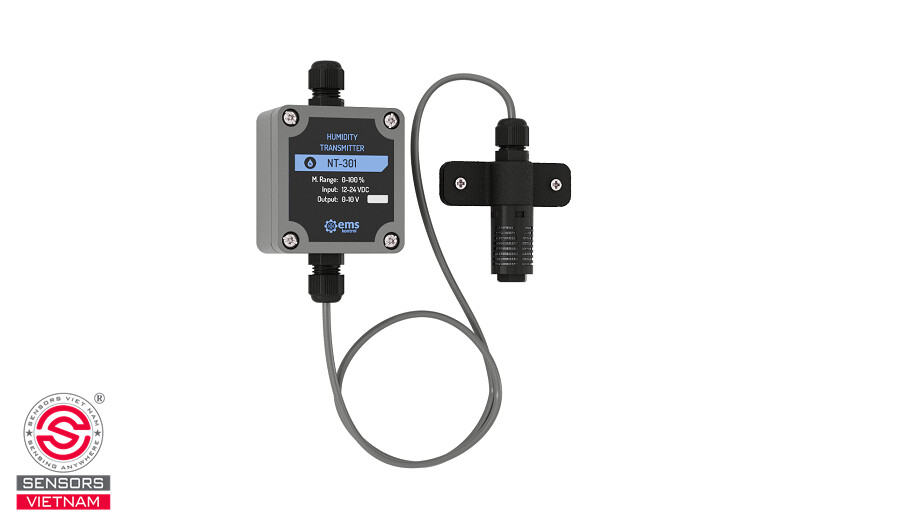
Resistive humidity sensors use a moisture-sensitive material such as polymer or ceramic placed between two electrodes. When water vapor is absorbed by the sensing material, its electrical resistance changes.
As humidity increases, the resistance of the material typically decreases. Conversely, when humidity decreases, the resistance increases. The sensor circuitry converts this resistance variation into a measurable humidity signal.
This type of sensor is cost-effective and easy to integrate into measurement systems. However, it may require periodic calibration because it can be affected by contaminants such as dust or chemicals.
Capacitive humidity sensors
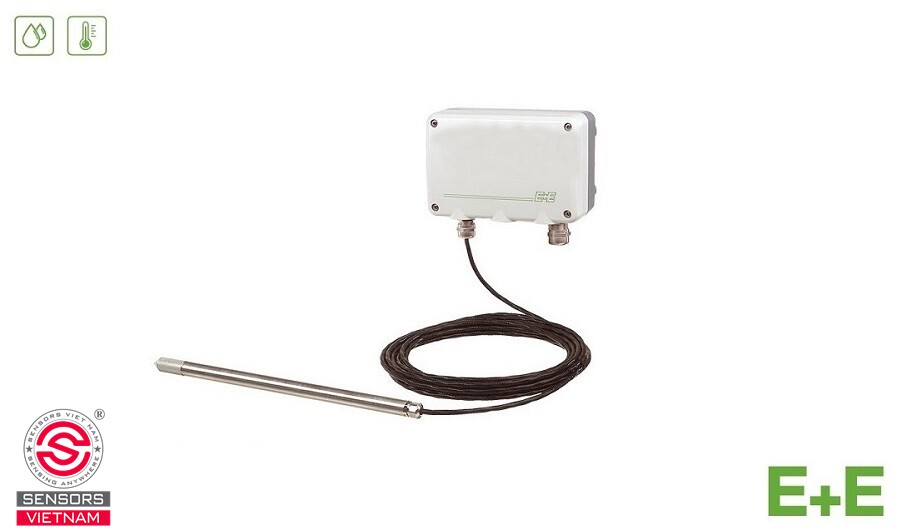
Capacitive humidity sensors are the most widely used technology in HVAC and industrial applications. These sensors consist of two electrodes separated by a dielectric material.
When water vapor penetrates the dielectric layer, the dielectric constant changes, which alters the capacitance between the electrodes. The internal electronics convert this change in capacitance into an electrical signal corresponding to humidity levels.
Capacitive humidity sensors offer high accuracy, excellent long-term stability, and minimal sensitivity to temperature variations. For this reason, they are commonly used in cold storage facilities, manufacturing plants, and large HVAC systems.
Optical and thermal humidity sensors
Some advanced humidity sensors use optical or thermal measurement principles to detect water vapor in the air.
Optical humidity sensors may use laser technology to measure the absorption characteristics of water vapor, while thermal sensors analyze temperature variations caused by evaporation.
These sensors provide extremely high accuracy but are typically more expensive and therefore used mainly in laboratory research, medical applications, or scientific measurements.
In many modern monitoring devices, humidity sensors are combined with temperature sensors in a single module to improve measurement accuracy. This is essential because relative humidity values depend directly on ambient temperature.
Common types of humidity sensors
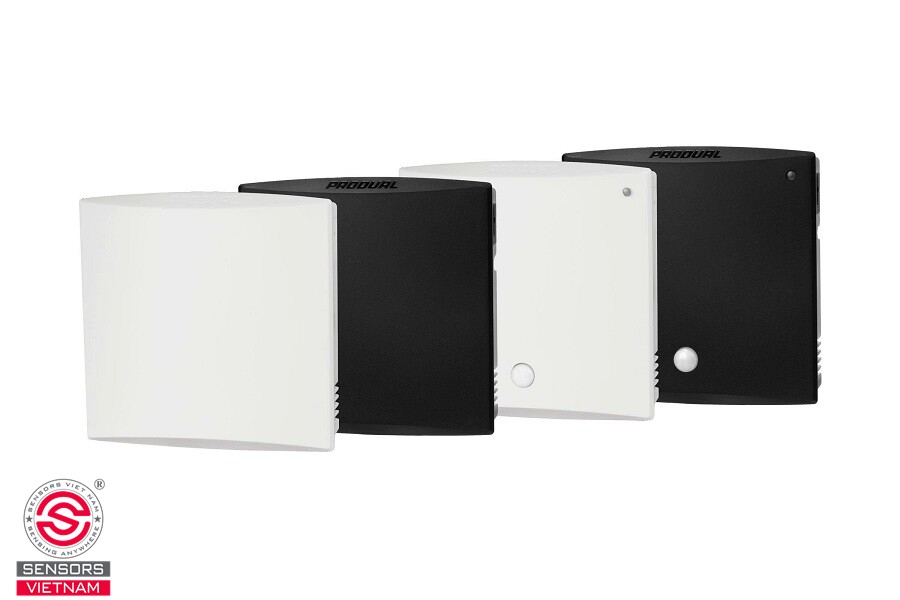
Today’s market offers a wide variety of humidity sensors designed for different applications.
Air humidity sensors
Air humidity sensors are the most common type and are widely used in air conditioning systems, ventilation systems, dehumidifiers, and smart home devices.
Soil moisture sensors
Soil moisture sensors are commonly used in smart agriculture. They measure the water content in soil and help control automated irrigation systems, allowing farmers to optimize water usage and improve crop productivity.
Material moisture sensors
These sensors measure the moisture content inside materials such as wood, paper, or concrete. They help manufacturers maintain product quality and prevent problems like cracking, warping, or mold formation.
Industrial humidity sensors
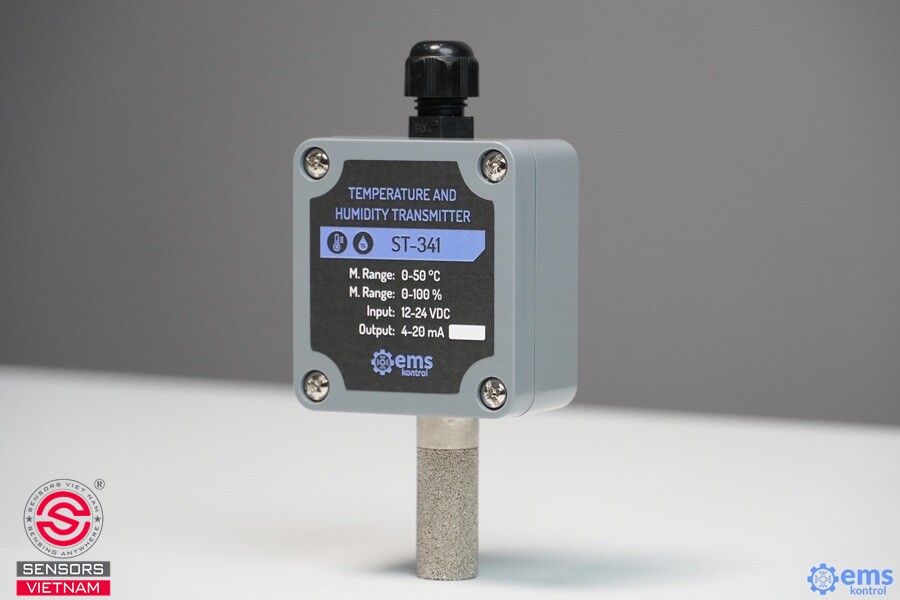
Industrial humidity sensors are designed to operate reliably in harsh environments, including high temperatures, high humidity levels, or chemical exposure. They are commonly used in manufacturing facilities, cold storage systems, and pharmaceutical production environments.
Practical applications of humidity sensors
Thanks to their precise measurement capability and easy integration with automation systems, humidity sensors are used in many industries.
In residential and office environments, humidity sensors allow air conditioning systems or humidifiers to automatically regulate indoor conditions for improved comfort.
In agriculture, soil moisture sensors enable smart irrigation systems that deliver the right amount of water while conserving resources.
In industrial applications, humidity sensors help control environmental conditions in factories, storage facilities, and ventilation systems, ensuring product quality and workplace safety.
Additionally, these sensors are used in medical environments to regulate humidity in operating rooms and are also applied in the automotive industry to prevent windshield fogging.

Hot news


SENSORS VIETNAM CO., LTD
VAT CODE: 0313 355 473
Head Office: 03rd Floor, Indochina Tower, 04 Nguyen Dinh Chieu, Tan Dinh Ward, Ho Chi Minh City, Vietnam.
HCM Branch: 92/14/9A Vuon Lai Str., An Phu Dong Ward, Ho Chi Minh City, Vietnam.
Hanoi Branch: S106 Tower, Vinhomes Smart City, Tay Mo Ward, Hanoi City, Vietnam.

® Registered trademark – National Office of Intellectual Property Vietnam
OUR SERVICES
Specializing in the import and distribution of industrial sensors.
Sensors for HVAC/R systems and building automation applications.
Supplying gauges, transmitters, switches, controllers, PLCs, HMIs, and gas detectors.
Providing integrated consulting services for sensor and controller systems.


CONTACT US
Email: sales(at)sensors.vn
Hotline: +84 0911 660 660
Asia Commercial Bank Account (ACB):
VND: 357 246 888 | USD: 1357 246 888
Support Online ZALO Official Account
(From 8:00 am to 5:00 pm)





SENSORS VIETNAM CO., LTD
- Specialized in the import and distribution of sensors and controllers.
- Integrated data acquisition systems and industrial communication solutions.
- Design and installation of smart home systems and industrial equipment.
- Stack lights, signal beacons, LED warning horns, and RGB warning lights.