






CUSTOMER SERVICE
www.sensors.vn
Admin@sensors.vn
www.cambien.com.vn
WHAT IS DUCT SMOKE DETECTOR ?
Date 20/Apr/2026 at 09:11 AM - View: 79
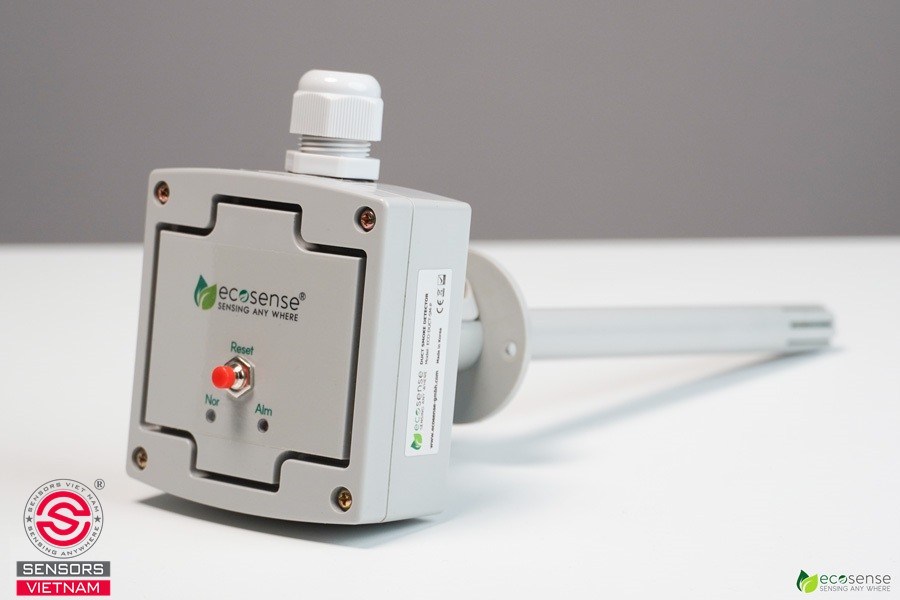
In modern HVAC systems, early smoke detection inside ductwork plays a critical role in preventing fire spread that is often invisible to the naked eye. A duct smoke detector acts as a “silent guardian”, continuously monitoring airflow to promptly alert when abnormalities occur. Follow this article by Sensors Vietnam to gain a comprehensive understanding from definition and operating principle to the importance of this device.
WHAT IS A DUCT SMOKE DETECTOR?
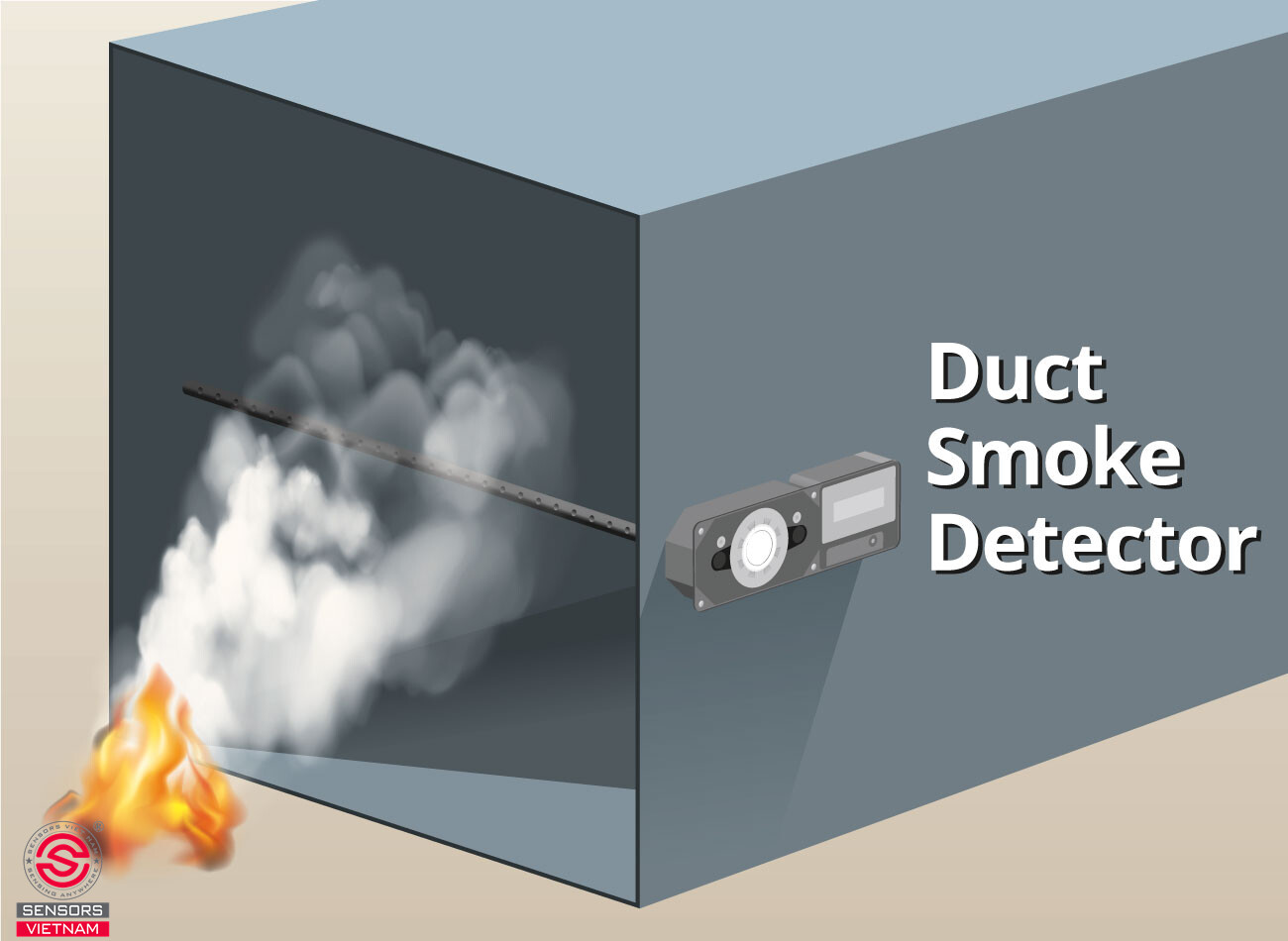
A duct smoke detector is a device designed to detect the presence of smoke within the airstream flowing inside HVAC duct systems, including AHU, FCU, and supply/return air ducts. When smoke exceeds the preset threshold, the device activates an alarm signal and simultaneously sends commands to shut down fans or close fire dampers, preventing smoke and fire from spreading throughout the building via ductwork.
Unlike conventional ceiling-mounted smoke detectors, duct smoke detectors are specifically designed to operate in high airflow environments (0.5 - 20 m/s) and under continuously changing temperature and humidity conditions typical of HVAC systems.
The device is typically installed through the duct wall and consists of two main components: a sampling tube inserted into the duct and an external electronics housing. Air from the duct is drawn into the sensing chamber through pressure differential created by the sampling tube.
SEE ALSO: DUCT TEMPERATURE AND HUMIDITY SENSOR
OPERATING PRINCIPLE OF A DUCT SMOKE DETECTOR
A duct smoke detector utilizes the pressure differential within the duct to draw an air sample into the sensing chamber, enabling smoke detection within the airflow. Air is continuously pulled through an optical or ionization chamber inside the device housing. When smoke particles enter the chamber, the electrical signal changes and is compared with the preset alarm threshold.
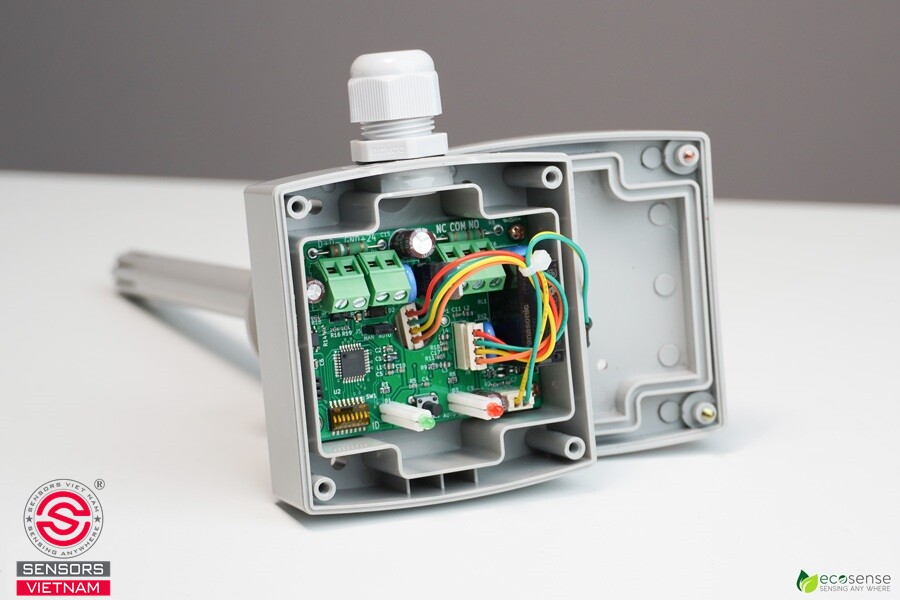
Typical sampling parameters include a pressure differential ranging from 12 to 500 Pa, airflow through the sensing chamber of approximately 0.06 - 0.3 m³/min depending on the model, and a response time of less than 60 seconds from smoke presence to alarm activation, in accordance with UL 268A standards. Device outputs commonly include NC/NO relay contacts combined with addressable outputs depending on the product line.
SEE ALSO: CO GAS SENSOR
CLASSIFICATION OF DUCT SMOKE DETECTORS BY SENSING TECHNOLOGY
Currently, there are two main technologies used in duct smoke detectors.
Photoelectric (optical scattering) sensors are the most widely used today. This technology uses an infrared LED to detect larger smoke particles, typically generated by smoldering fires. Its key advantages are high accuracy and low false alarm rates, making it suitable for HVAC environments with dust or humidity.
Ionization sensors are more sensitive to smaller smoke particles from fast-flaming fires. However, their usage is declining due to the presence of radioactive material (Am-241), which requires strict handling and disposal procedures in compliance with environmental regulations.
To combine the advantages of both technologies while eliminating the limitations of ionization sensors, manufacturers have developed dual-sensor detectors that integrate both principles. These are ideal for critical facilities such as data centers, cleanrooms, hospitals, hotels, and high-end buildings, offering minimal false alarms while maintaining high sensitivity.
Additionally, newer models may integrate temperature sensors or CO sensors to enhance detection accuracy and support addressable communication protocols in modern fire protection systems.
 SEE ALSO: DUCT MOUNTED TEMPERATURE SWITCH
KEY TECHNICAL SPECIFICATIONS OF DUCT SMOKE DETECTORS
When selecting a duct smoke detector, engineers should consider the following key specifications:
- Operating voltage: typically 24 VDC or 120 - 240 VAC depending on model and manufacturer
- Air velocity range: 0.5 - 20 m/s, must match actual duct design conditions
- Operating temperature: -20°C to +70°C, with some industrial models up to +85°C
- Humidity range: 10% to 95% RH non-condensing, especially important in tropical climates
- Alarm sensitivity: adjustable from 0.5% to 4% obs/ft in accordance with NFPA 72 and UL 268A
- Enclosure protection: IP42 to IP54, with IP54 recommended for outdoor AHU or humid environments
- Relay output: typically SPDT 2A/30VDC for AHU shutdown and damper control
SEE ALSO: CO2 GAS SENSOR
IMPORTANCE OF DUCT SMOKE DETECTORS IN HVAC AND FIRE PROTECTION SYSTEMS
Duct smoke detectors are highly effective devices for smoke control in commercial buildings, offices, shopping malls, and industrial facilities. When integrated into a BMS, they perform multiple automated functions in sequence.
Upon detecting smoke in the duct, the device sends an alarm signal to the fire alarm control panel and BMS. The relay then activates to shut down AHU/FCU fans, preventing the spread of smoke and fire to other areas. Simultaneously, commands are issued to close fire dampers at fire-rated wall penetrations. Depending on the programmed scenario, smoke extraction systems may also be activated. All events, timestamps, and device locations are recorded for post-incident investigation and maintenance.
Duct smoke detectors help prevent smoke and CO from spreading throughout buildings or factories via HVAC systems, thereby protecting evacuation routes and maintaining smoke-free corridors and intermediate floors.
In high-rise buildings, shopping centers, and factories, installing duct smoke detectors ensures compliance with fire safety regulations, facilitates inspection approval, and reduces the risk of penalties.
 SEE ALSO: GAS SENSOR PRODUCTS
BASIC INSTALLATION GUIDELINES FOR DUCT SMOKE DETECTORS
Duct smoke detectors should be installed at two primary locations: on the supply air duct downstream of the AHU and on the return air duct upstream of the AHU. A minimum straight duct length of 10 duct diameters (10×D) upstream and 5×D downstream should be maintained to avoid airflow turbulence.
Avoid installation immediately after bends, elbows, or dampers, as well as in areas with high turbulence that may cause false alarms. Do not install in sections where airflow is outside the device’s specified range, and ensure the sampling tube is oriented correctly with the airflow direction.
After installation, functional testing using test smoke is mandatory, along with commissioning documentation as required by local fire authorities before system operation.
A duct smoke detector acts as a “hidden” smoke alarm within the HVAC system: invisible on the ceiling, but when a fire occurs in a room, smoke is drawn into the duct and detected immediately. The device then shuts down the fan to prevent smoke from spreading throughout the building. Therefore, it is an essential component in any centralized HVAC system requiring fire safety compliance. Proper technology selection, protocol compatibility with the fire alarm panel, and adherence to installation standards are critical to ensuring operational efficiency and safety.
SEE ALSO: DUCT SMOKE DETECTOR
SENSORS VIETNAM - AUTHORIZED DISTRIBUTOR OF DUCT SMOKE DETECTORS
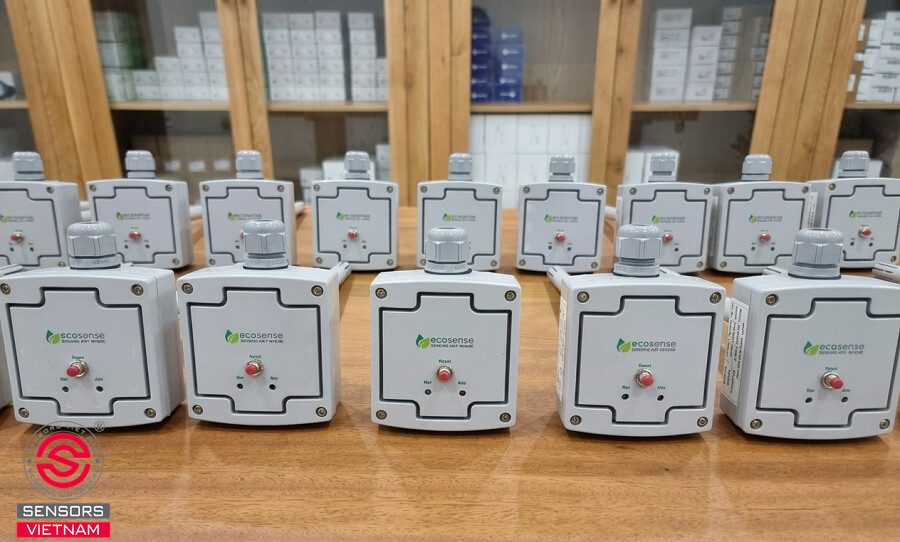
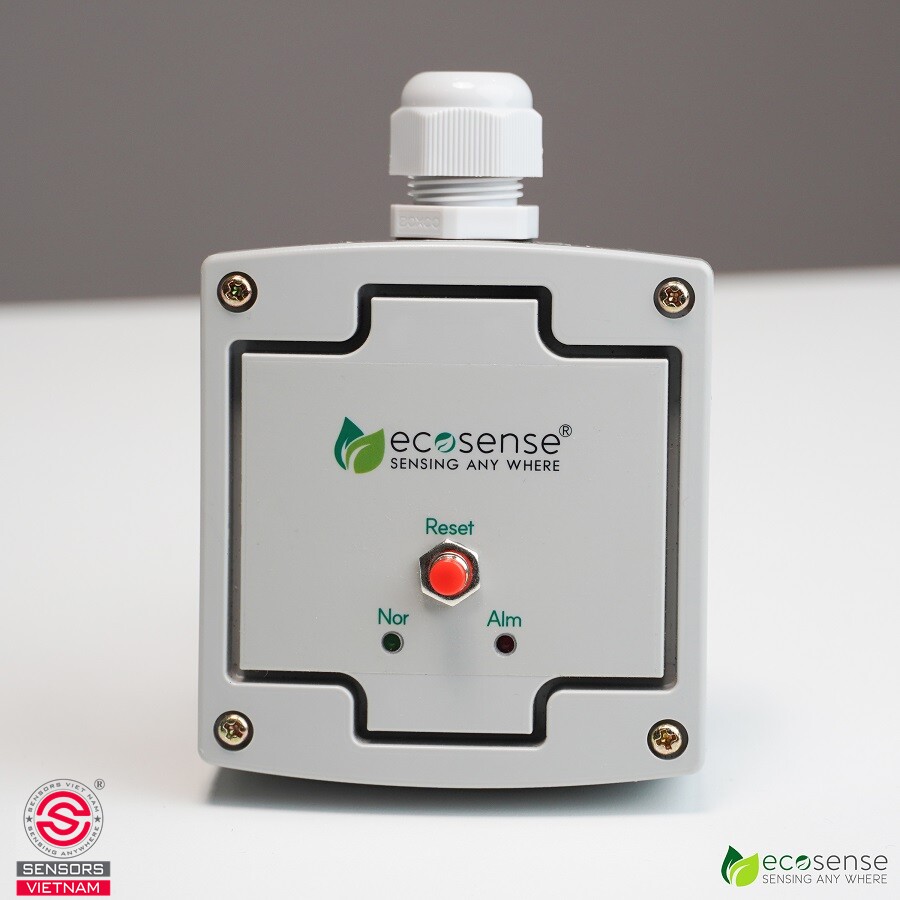
If you are looking for a reliable duct smoke detection solution for your HVAC project, Sensors Vietnam distributes the ECO-DUCT-SM-P model from ECOSENSE - one of the most trusted choices among HVAC engineers and M&E contractors in Vietnam.
The ECO-DUCT-SM-P utilizes photoelectric sensing technology with infrared detection capability, enabling early smoke detection even in harsh duct environments with dust, humidity, and fluctuating airflow. A key advantage of this model is its continuous contamination monitoring feature, which minimizes false alarms caused by dust accumulation.
SEE MORE: ECO-DUCT-SM-P DUCT SMOKE DETECTOR
If you are interested in sensors for HVAC systems, industrial plants, or projects, contact Sensors Vietnam today for prompt consultation and support. We are committed to providing genuine European products with full CO/CQ certification, a 12-month warranty, 1-to-1 replacement policy, and continuous support from our professional technical team.
Hot news


SENSORS VIETNAM CO., LTD
VAT CODE: 0313 355 473
Head Office: 03rd Floor, Indochina Tower, 04 Nguyen Dinh Chieu, Tan Dinh Ward, Ho Chi Minh City, Vietnam.
HCM Branch: 92/14/9A Vuon Lai Str., An Phu Dong Ward, Ho Chi Minh City, Vietnam.
Hanoi Branch: S106 Tower, Vinhomes Smart City, Tay Mo Ward, Hanoi City, Vietnam.

® Registered trademark – National Office of Intellectual Property Vietnam
OUR SERVICES
Specializing in the import and distribution of industrial sensors.
Sensors for HVAC/R systems and building automation applications.
Supplying gauges, transmitters, switches, controllers, PLCs, HMIs, and gas detectors.
Providing integrated consulting services for sensor and controller systems.


CONTACT US
Email: sales(at)sensors.vn
Hotline: +84 0911 660 660
Asia Commercial Bank Account (ACB):
VND: 357 246 888 | USD: 1357 246 888
Support Online ZALO Official Account
(From 8:00 am to 5:00 pm)





SENSORS VIETNAM CO., LTD
- Specialized in the import and distribution of sensors and controllers.
- Integrated data acquisition systems and industrial communication solutions.
- Design and installation of smart home systems and industrial equipment.
- Stack lights, signal beacons, LED warning horns, and RGB warning lights.