





CUSTOMER SERVICE
www.sensors.vn
Admin@sensors.vn
www.cambien.com.vn
WHAT IS PRESSURE TRANSMITETR
Date 27/Jul/2021 at 05:05 AM - View: 892

HOW DO PRESSURE TRANSMITTERS WORK?
In this latest informative blog, BM Engineering takes an in-depth look at pressure transmitters, focusing closely on how they operate. We also take a closer look at the advantages of pressure transmitters and typical uses of a pressure transmitter.
WHAT IS A PRESSURE TRANSMITTER?
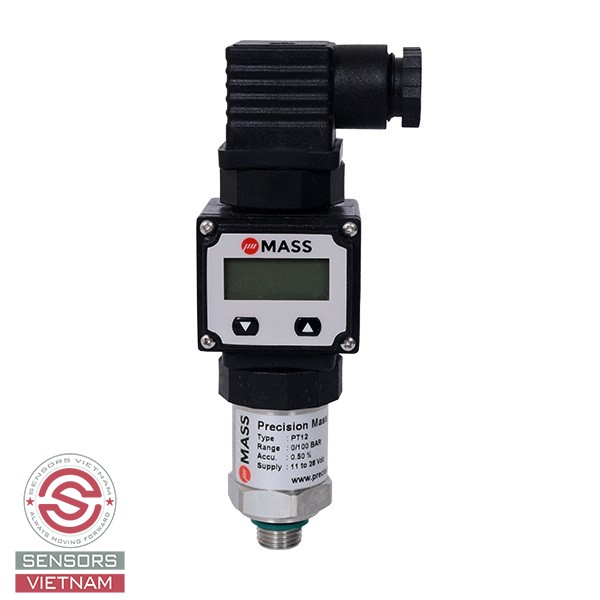
A pressure transmitter is a device that has been designed to measure pressure in liquids, fluids or gases. They are commonly used to measure pressure inside industrial machinery, in order to alert users before an incident occurs. They have a wide range of different uses, mostly of an industrial or automotive nature.
HOW DO PRESSURE TRANSMITTERS WORK?
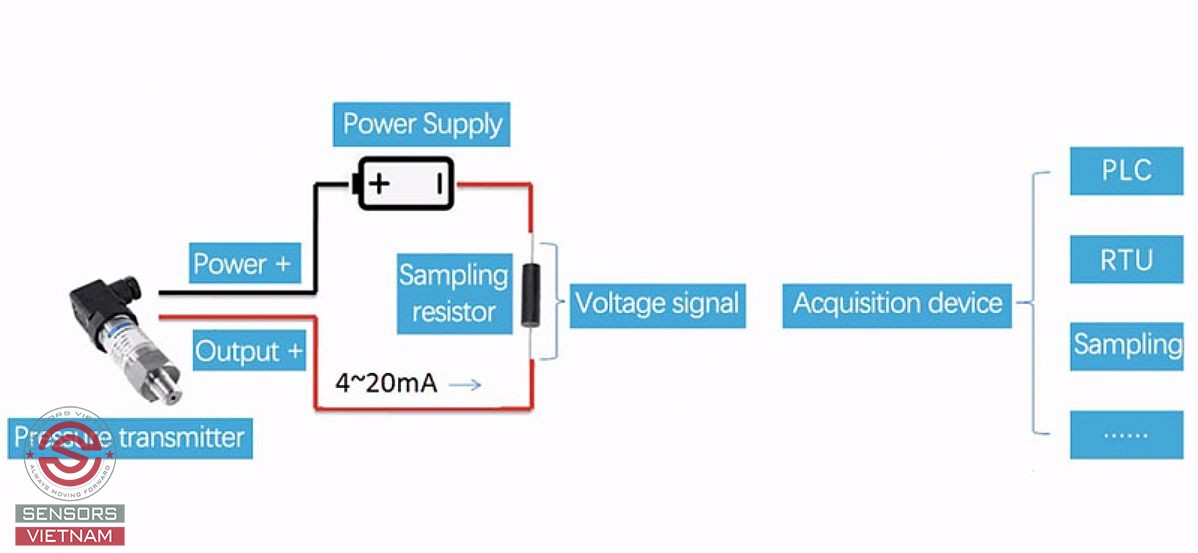
Pressure Transmitters, a sub-group of pressure transducers, feature additional reset and calibration options. With some sensor types it is possible, for example, to re-set the measuring span over large ranges. They work by taking pressure and converting it into an analogue electrical signal.
ADVANTAGES OF PRESSURE TRANSMITTERS
There are a number key advantages of pressure transmitters. Firstly, pressure transmitters measure not only pressure levels but also differences in pressure. Pressure transmitters are also very durable, being able to withstand nearly any environment and can, if needed, be completely submerged. Pressure transmitters can also be connected to other systems, such as electrical circuits.

Hot news


SENSORS VIETNAM CO., LTD
VAT CODE: 0313 355 473
Head Office: 03rd Floor, Indochina Tower, 04 Nguyen Dinh Chieu, Tan Dinh Ward, Ho Chi Minh City, Vietnam.
HCM Branch: 92/14/9A Vuon Lai Str., An Phu Dong Ward, Ho Chi Minh City, Vietnam.
Hanoi Branch: S106 Tower, Vinhomes Smart City, Tay Mo Ward, Hanoi City, Vietnam.

® Registered trademark – National Office of Intellectual Property Vietnam
OUR SERVICES
Specializing in the import and distribution of industrial sensors.
Sensors for HVAC/R systems and building automation applications.
Supplying gauges, transmitters, switches, controllers, PLCs, HMIs, and gas detectors.
Providing integrated consulting services for sensor and controller systems.


CONTACT US
Email: sales(at)sensors.vn
Hotline: +84 0911 660 660
Asia Commercial Bank Account (ACB):
VND: 357 246 888 | USD: 1357 246 888
Support Online ZALO Official Account
(From 8:00 am to 5:00 pm)





SENSORS VIETNAM CO., LTD
- Specialized in the import and distribution of sensors and controllers.
- Integrated data acquisition systems and industrial communication solutions.
- Design and installation of smart home systems and industrial equipment.
- Stack lights, signal beacons, LED warning horns, and RGB warning lights.