






CUSTOMER SERVICE
www.sensors.vn
Admin@sensors.vn
www.cambien.com.vn
DUCT TEMPERATURE SENSOR
Date 12/Mar/2026 at 03:44 PM - View: 58

A duct temperature sensor is designed to accurately monitor and control the temperature of airflow within ventilation ducts. This device collects real-time temperature data and transmits signals to a central controller, enabling the HVAC system to adjust its operation accordingly.
In this article, Sensors Vietnam will help you explore what a duct temperature sensor is, how it works, and why it plays an essential role in modern HVAC systems.
What is a duct temperature sensor?
A duct temperature sensor is a device used to measure the temperature of airflow inside ventilation ducts. The temperature data collected by the sensor allows HVAC systems to precisely control the thermal conditions of supply air or return air, ensuring a stable indoor environment and maintaining proper air quality standards.
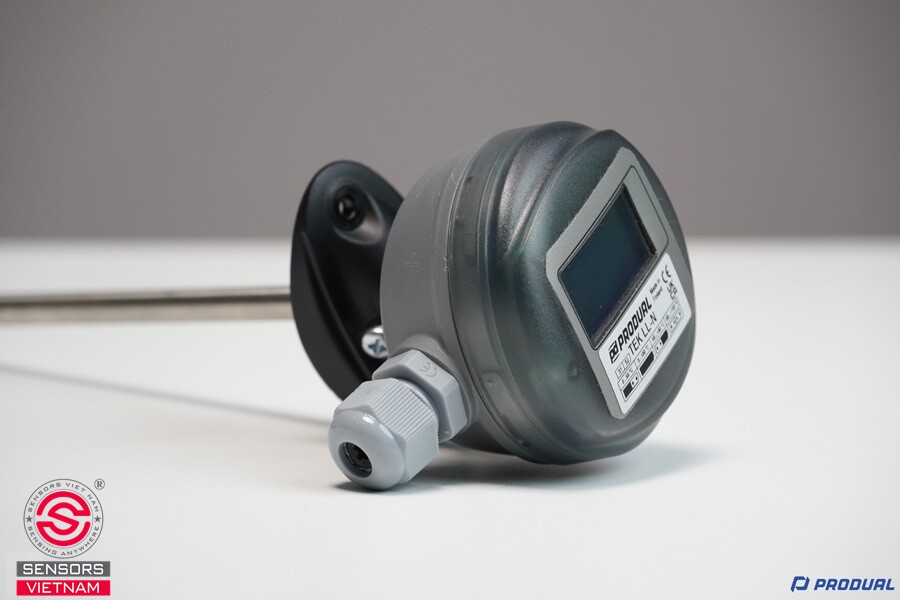
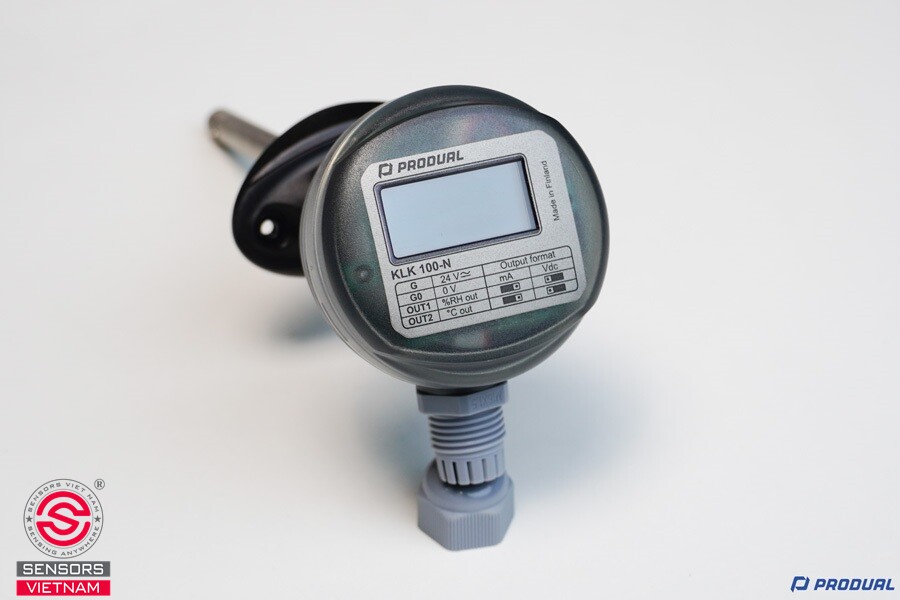
In terms of design, duct temperature sensors are typically compact and robust, allowing them to be mounted directly on the air duct without obstructing airflow. The sensing probe extends into the duct so it can directly measure the temperature of the moving air, ensuring accurate readings and fast response to environmental changes.
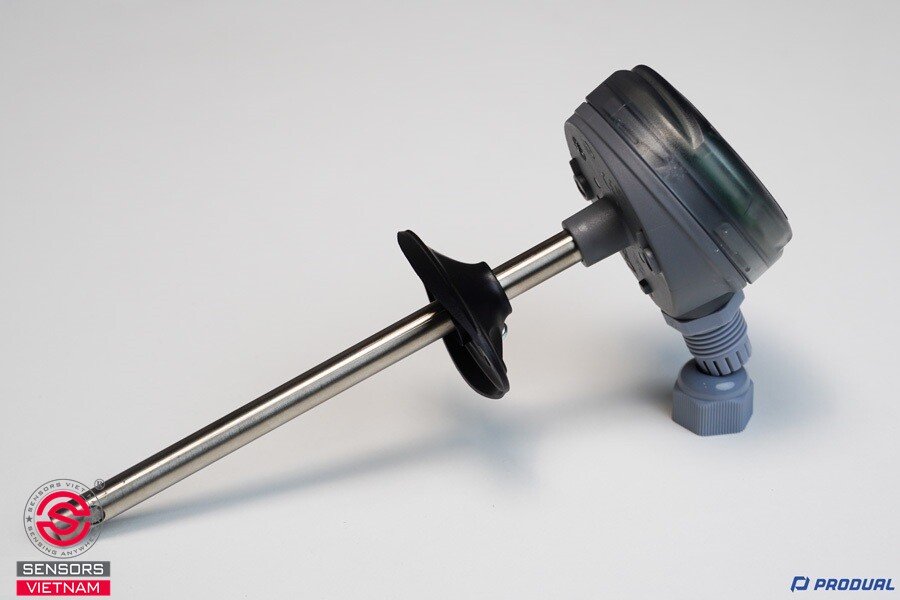
In many industrial HVAC applications, these sensors are built with a high protection rating such as IP65, enabling reliable operation in environments with dust, humidity, or mild vibrations - conditions commonly found in continuously operating ventilation systems.
Thanks to their flexible design, durability, and easy integration into control systems, duct temperature sensors are widely used in both new construction projects and HVAC retrofit upgrades, particularly in office buildings, shopping malls, hospitals, and industrial facilities.
Working principle of a duct temperature sensor
A duct temperature sensor operates by detecting changes in the temperature of the airflow inside ventilation ducts and converting them into electrical signals for monitoring and control purposes.
When the temperature of the air moving through the duct changes, the sensor probe comes into direct contact with the airflow and measures the actual temperature at the installation point. This temperature variation alters the electrical characteristics of the sensing element inside the device, generating a corresponding electrical signal.
The signal is then continuously transmitted to central controllers such as PLC systems, HVAC controllers, or Building Management Systems (BMS). With real-time temperature data, the system can monitor the operating condition of the airflow and make necessary adjustments if the temperature exceeds predefined limits.
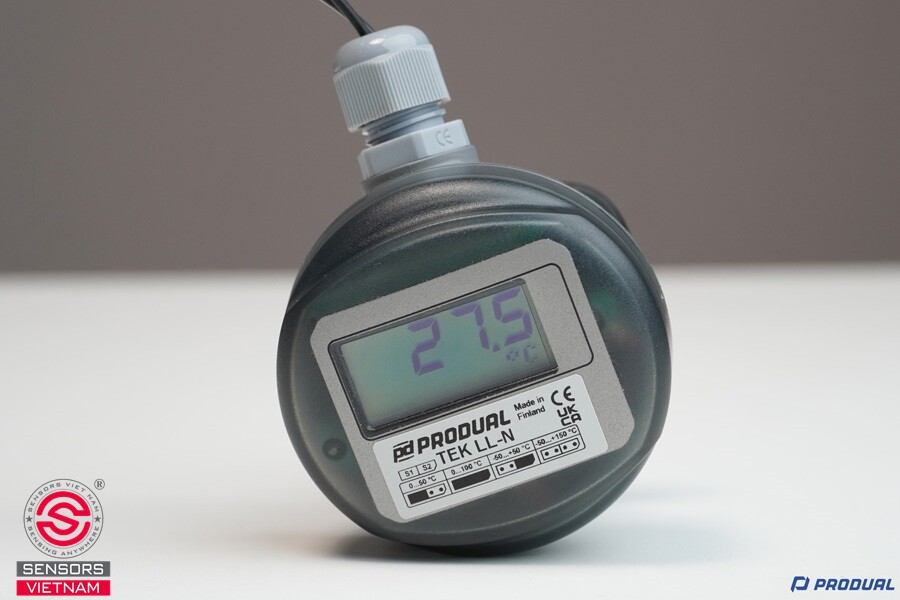
In automated systems, signals from duct temperature sensors can also be used to control various HVAC components, including:
- Air fans
- Dampers
- Cooling coils
- Heating coils
This ensures that the temperature of the airflow remains stable and that the entire HVAC system operates safely and efficiently.
To accommodate different control systems, modern duct temperature sensors support multiple output signal types. Analog outputs such as 4-20 mA and 0-10 V are widely used because they provide stable signal transmission and are resistant to electrical noise in industrial environments.
Additionally, resistance-based signals such as PT100, PT1000, NTC10K, and NTC20K are still commonly used in traditional HVAC systems where high measurement accuracy and simple configuration are required.
For modern smart buildings, many sensors also support Modbus RTU (RS-485) communication, enabling network connectivity, centralized monitoring, and seamless integration with building management systems.
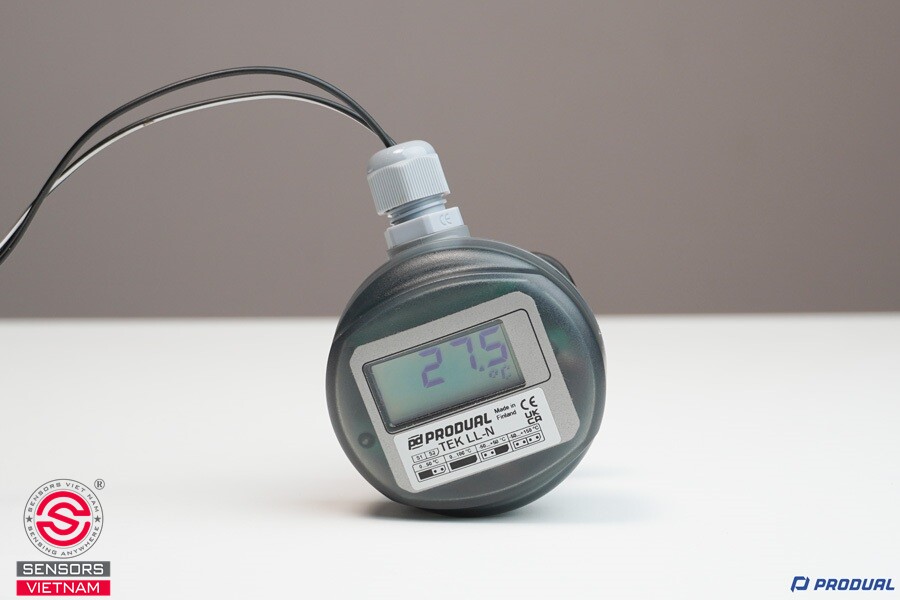
The role of duct temperature sensors in HVAC systems
In HVAC systems, duct temperature sensors are not merely measurement devices; they serve as a critical source of temperature data for the entire air conditioning and ventilation system.
First and foremost, these sensors enable precise control of supply air and return air temperatures. By directly measuring airflow temperature inside the duct, HVAC systems can adjust cooling or heating capacity accordingly, ensuring comfortable indoor conditions for occupants.
This function is especially important in areas with high occupancy, such as office buildings, shopping malls, hotels, and public facilities.
Duct temperature sensors also play an important role in protecting HVAC equipment during operation. Continuous temperature monitoring helps detect abnormal conditions early, including:
- System overheating
- Unstable airflow
- Equipment faults in AHU or FCU units
When temperatures exceed the allowable threshold, the system can trigger alarms or automatically adjust operation to prevent equipment damage and reduce operational risks.
Furthermore, these sensors contribute to maintaining Indoor Air Quality (IAQ). In environments with strict environmental control requirements such as hospitals, cleanrooms, data centers, or manufacturing plants, monitoring airflow temperature is crucial for maintaining stability and operational safety.
Most importantly, temperature data from duct sensors helps HVAC systems optimize heating and cooling processes, preventing unnecessary operation. This significantly reduces energy consumption and long-term operating costs for building owners.
Practical applications of duct temperature sensors
Due to their high measurement accuracy and flexible connectivity, duct temperature sensors are widely used in many types of buildings and HVAC systems.
Common applications include:
- Office buildings and commercial complexes
- Hospitals and cleanroom environments
- Hotels and hospitality facilities
- Industrial factories and manufacturing plants
- Data centers
- Smart building management systems (BMS)
In AHU systems and centralized ventilation systems, duct temperature sensors monitor airflow temperature before and after passing through cooling or heating coils, ensuring the HVAC system operates according to design specifications and achieves optimal performance.
Buy duct temperature sensors from Sensors Vietnam
Sensors Vietnam is a trusted supplier of high-quality duct temperature sensors for residential, commercial, and industrial HVAC systems.
We provide genuine sensors from leading European manufacturers, ensuring reliable performance, high measurement accuracy, and long-term durability. All products come with complete CO/CQ documentation and a warranty of up to 12 months.
Our experienced technical team is always ready to assist customers in selecting the most suitable sensor model, measurement range, output signal, and installation solution for each specific project.
Contact Sensors Vietnam today for professional technical consultation and a competitive quotation for your HVAC project.
Hot news


SENSORS VIETNAM CO., LTD
VAT CODE: 0313 355 473
Head Office: 03rd Floor, Indochina Tower, 04 Nguyen Dinh Chieu, Tan Dinh Ward, Ho Chi Minh City, Vietnam.
HCM Branch: 92/14/9A Vuon Lai Str., An Phu Dong Ward, Ho Chi Minh City, Vietnam.
Hanoi Branch: S106 Tower, Vinhomes Smart City, Tay Mo Ward, Hanoi City, Vietnam.

® Registered trademark – National Office of Intellectual Property Vietnam
OUR SERVICES
Specializing in the import and distribution of industrial sensors.
Sensors for HVAC/R systems and building automation applications.
Supplying gauges, transmitters, switches, controllers, PLCs, HMIs, and gas detectors.
Providing integrated consulting services for sensor and controller systems.


CONTACT US
Email: sales(at)sensors.vn
Hotline: +84 0911 660 660
Asia Commercial Bank Account (ACB):
VND: 357 246 888 | USD: 1357 246 888
Support Online ZALO Official Account
(From 8:00 am to 5:00 pm)





SENSORS VIETNAM CO., LTD
- Specialized in the import and distribution of sensors and controllers.
- Integrated data acquisition systems and industrial communication solutions.
- Design and installation of smart home systems and industrial equipment.
- Stack lights, signal beacons, LED warning horns, and RGB warning lights.